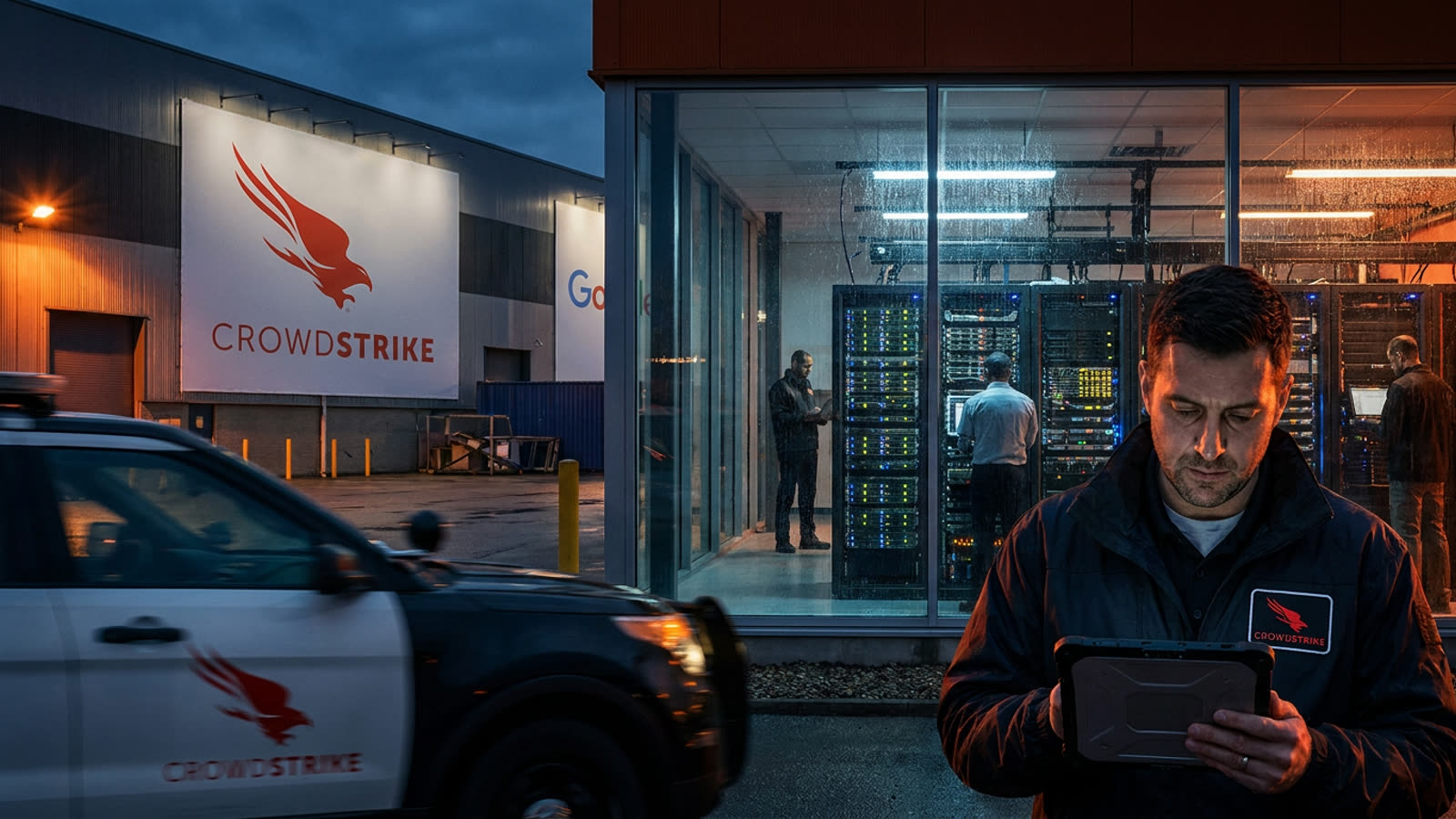
The cybersecurity industry loves to talk about supply chain attacks in the abstract, as a category of threat that keeps CISOs awake at night. This week, CrowdStrike and Google provided a concrete reminder of why: the two companies announced they had jointly taken down a botnet specifically designed to compromise software developers, with the apparent goal of inserting malicious code into legitimate applications before they ever reach end users.
The operation, which involved coordination with law enforcement across multiple jurisdictions, targeted infrastructure that had been active for what investigators describe as an extended period. The botnet's operators weren't interested in quick ransomware payouts or cryptocurrency theft. They were building something more insidious—persistent access to the development pipelines that produce software used by millions.
The anatomy of patience
What distinguishes this campaign from garden-variety malware operations is its target selection. Rather than casting a wide net, the attackers focused on developers working on widely-used open-source projects and enterprise software. The infection vector appears to have involved compromised development tools and repositories—the very resources developers trust implicitly in their daily work.
The implications are sobering. A single compromised developer machine can introduce vulnerabilities into code that gets distributed to thousands of organizations. The SolarWinds attack of 2020 demonstrated this principle catastrophically; six years later, the playbook remains effective because the fundamental trust model of software development hasn't changed.
The Google-CrowdStrike alliance
The partnership between Google and CrowdStrike reflects an emerging reality in threat intelligence: no single company, however well-resourced, can see the entire battlefield. Google's visibility into cloud infrastructure and developer ecosystems complements CrowdStrike's endpoint detection capabilities. Together, they could trace the botnet's command-and-control infrastructure and map its reach.
Neither company has disclosed the full scope of potential compromises, which suggests the investigation is ongoing and the damage assessment incomplete. That silence is itself informative—when security firms go quiet, it usually means the news isn't good.
Our take
The uncomfortable truth is that modern software development is built on a foundation of assumed trust. Developers pull packages from public repositories, use shared toolchains, and collaborate across organizational boundaries—all practices that make them extraordinarily productive and extraordinarily vulnerable. This takedown is a tactical victory, but the strategic problem remains unsolved. Until the industry develops better ways to verify the integrity of development environments, supply chain attacks will remain the gift that keeps on giving for sophisticated adversaries.