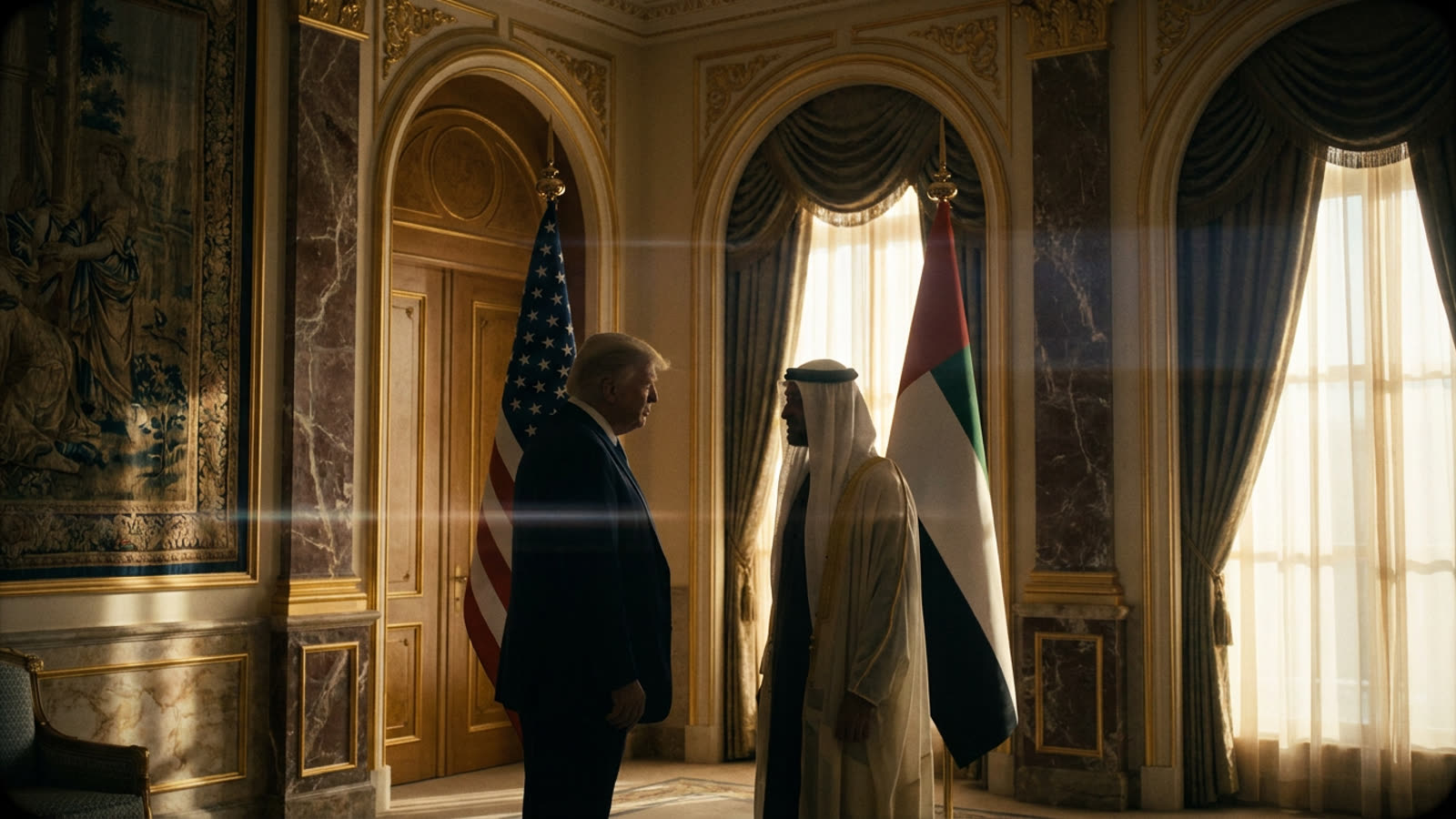
President Trump declared late Monday that the United States and Iran have reached a peace agreement, a pronouncement that arrived without documentation, without Iranian confirmation, and without any of the usual diplomatic choreography that accompanies the end of armed conflict. The announcement, delivered via social media and a brief Rose Garden appearance, represents either a genuine inflection point in Middle Eastern geopolitics or the latest instance of Trump's tendency to declare victory before the scoreboard is settled.
The timing is notable. For weeks, American forces have conducted strikes on Iranian launch sites and naval assets, with Tehran promising retaliation as recently as this morning. The war—if we are calling it that—has been characterized by asymmetric escalation, with the United States deploying precision munitions against Iranian infrastructure while Iran has relied on proxy networks and missile threats. That this conflict could resolve in a matter of hours strains credulity, though stranger reversals have occurred in the Trump era.
What we know and what we don't
The administration has released no text, no framework, no memorandum of understanding. Secretary of State Rubio, who has been notably hawkish on Iran throughout his tenure, offered only that "significant progress" had been made in backchannel discussions. The Iranian government has not acknowledged any agreement, and state media in Tehran continued broadcasting defiant rhetoric well after Trump's announcement. This asymmetry—American triumphalism met by Iranian silence—suggests either that the deal is still being finalized or that Trump has characterized preliminary talks as something more conclusive than they are.
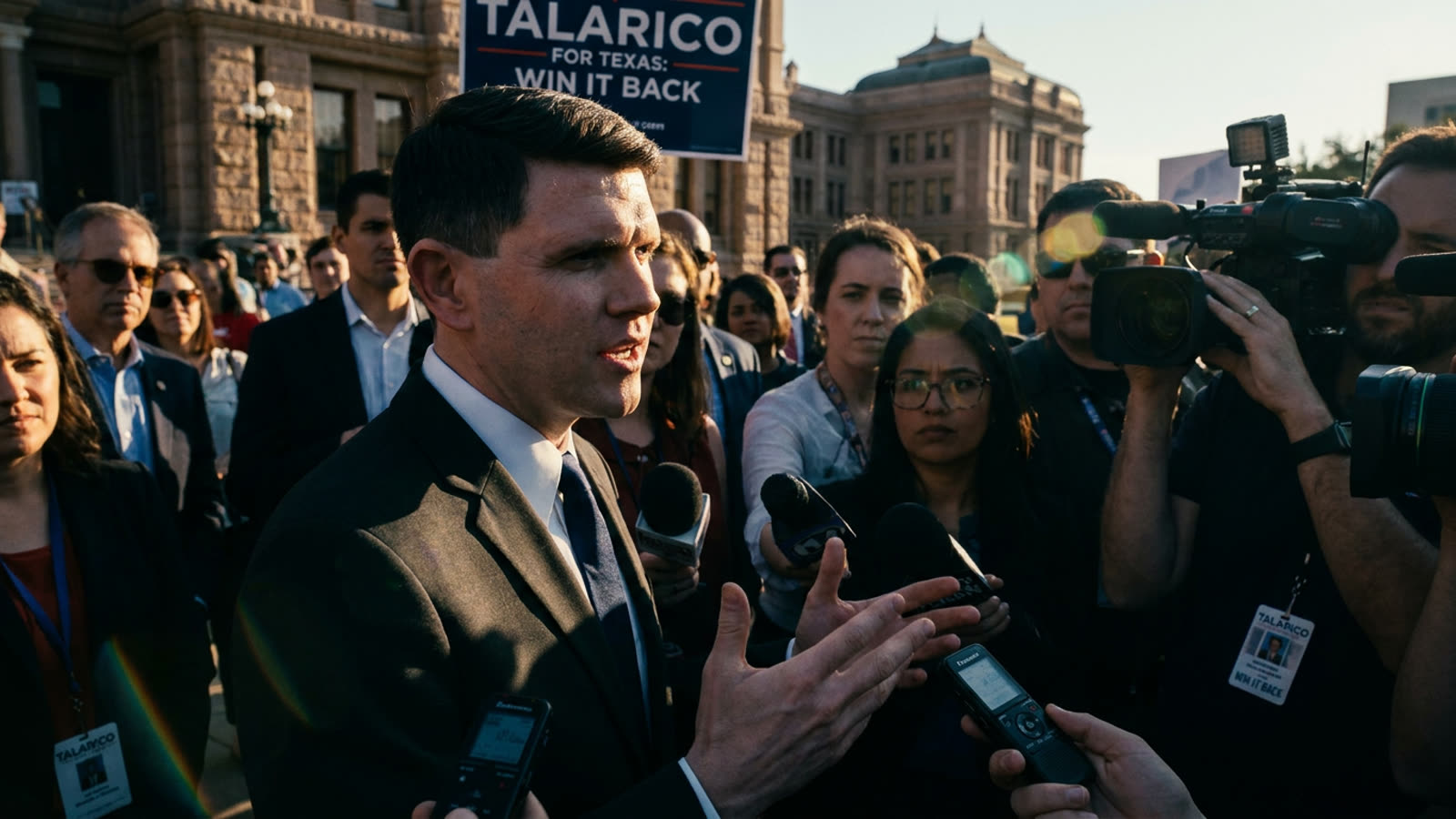
The domestic political context cannot be ignored. Trump's approval ratings have softened amid the conflict, and tonight's Texas primary runoffs have drawn attention to intraparty tensions. A peace announcement, however premature, serves immediate political purposes that a grinding military campaign does not.
The credibility question
Trump has a documented history of announcing deals that subsequently evaporate or require substantial revision. The 2019 Taliban agreement, the various North Korea summits, the "phase one" China trade deal—each was heralded as transformative before reality imposed its corrections. This pattern does not mean the Iran announcement is hollow, but it does mean that skepticism is warranted until Tehran confirms and terms are public.
The stakes here are considerably higher than trade deficits or prisoner exchanges. Iran's nuclear program, its regional proxy network, and its relationship with Russia and China all hang in the balance. A genuine peace would reshape Middle Eastern security architecture. A premature announcement followed by collapse would damage American credibility at a moment when it is already strained.
Our take
We hope this is real. A negotiated end to hostilities with Iran would be a genuine achievement, regardless of one's views on how the conflict began. But hope is not analysis, and the absence of any Iranian acknowledgment—combined with Trump's well-established pattern of premature declarations—counsels patience. The administration should release terms within days, not weeks. Until then, this announcement belongs in the category of claims rather than facts, and markets, allies, and adversaries will treat it accordingly.