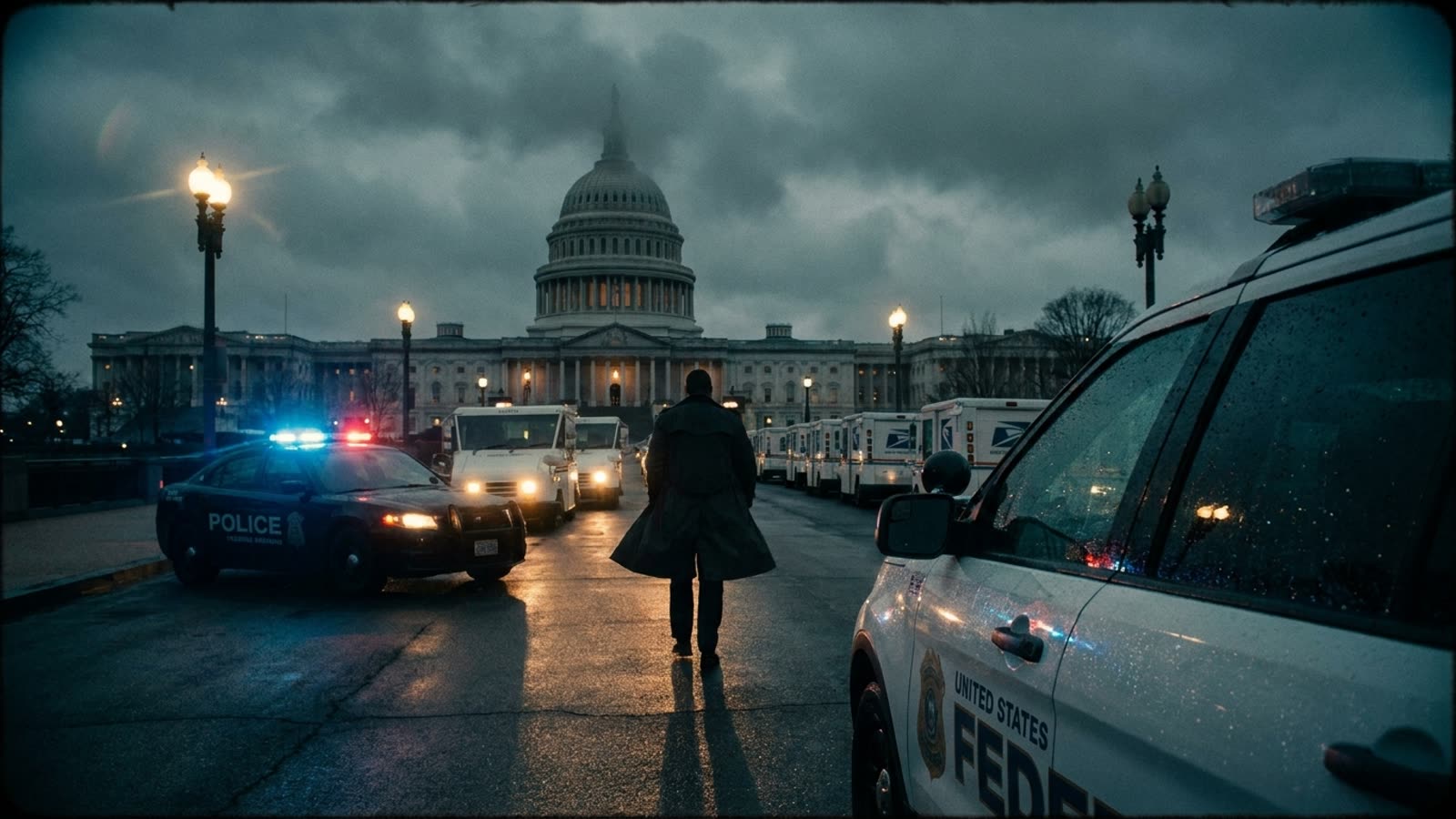
The discovery of suspicious substances in letters opened by congressional staff this week is not an isolated security breach — it is the latest symptom of a political culture that has normalized threats against the people who make democracy function.
The first incident was reported Thursday, with additional letters surfacing Friday. Capitol Police have not disclosed the nature of the substances or whether any staff members required medical attention, but the timing is impossible to ignore: these letters arrived as election officials across the country report a surge in threats directed at them personally, and as the midterm campaign enters its final, most volatile weeks.
A pattern, not an anomaly
Threats against election workers and government staff have become a fixture of American political life since 2020. What was once shocking — armed protesters outside ballot-counting facilities, death threats phoned into county clerks — now barely registers as news. The letters to congressional offices fit this grim continuum. They are not the work of a single deranged actor but the predictable output of a system that has taught millions of Americans to view government employees as enemies rather than public servants.
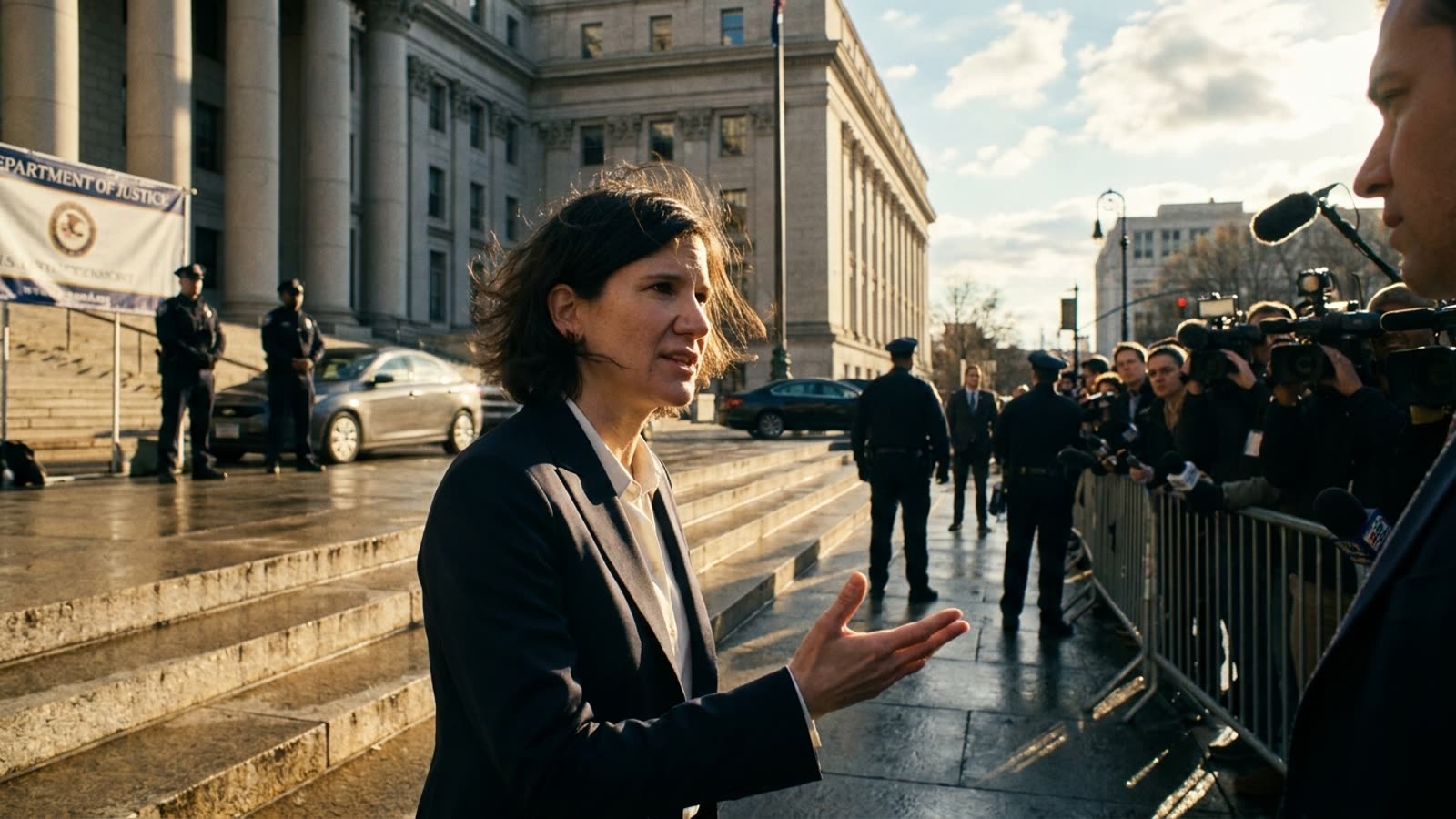
The Justice Department has prosecuted dozens of individuals for threatening election workers in recent years, but the deterrent effect has been limited. The rhetoric that fuels such threats remains ubiquitous in political advertising, cable news, and social media. When candidates routinely accuse their opponents of "stealing" elections or "destroying" the country, some fraction of their audience will inevitably conclude that violence is justified.
The midterm stakes
The 2026 midterms are already shaping up as a referendum on the Trump administration's first two years, with control of the House and several governorships in play. That political intensity raises the stakes for bad actors seeking to disrupt the process. Election officials in swing states have reported increased harassment in recent weeks, and several have resigned rather than face another cycle of abuse.
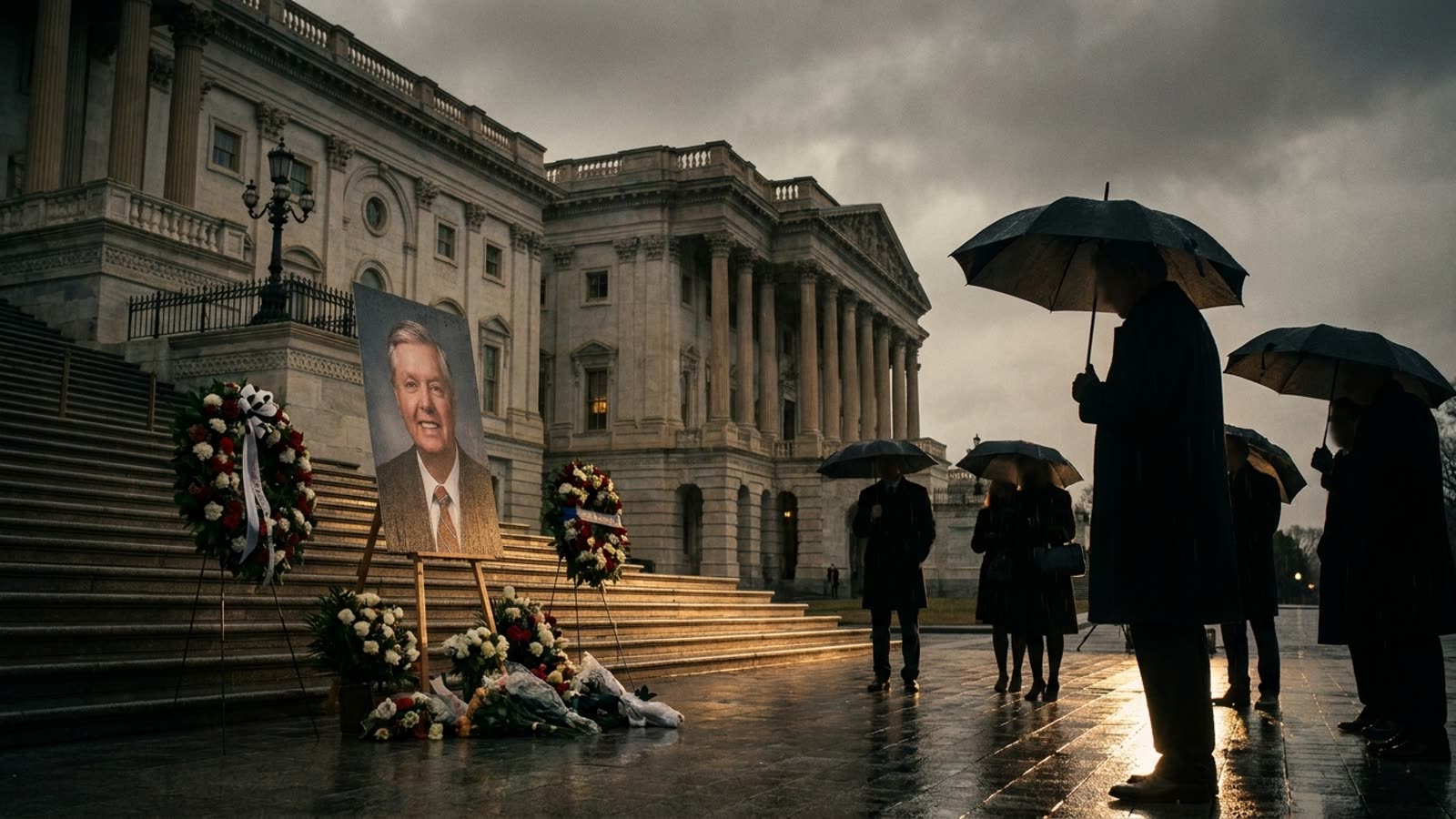
Congress itself has become a target. The January 6, 2021, attack on the Capitol was the most dramatic example, but lower-level incidents — from stalking of members to vandalism of district offices — have continued. The suspicious letters are a reminder that the people who answer phones, open mail, and keep the legislative branch running are on the front lines of this conflict.
Our take
Democracy depends on people willing to do unglamorous work: counting ballots, processing correspondence, staffing hearings. When those workers are treated as combatants in a partisan war, fewer qualified people will take the jobs, and the machinery of self-government will degrade. The letters opened this week are a warning. Whether anyone in a position to change the political climate will heed it is another matter entirely.