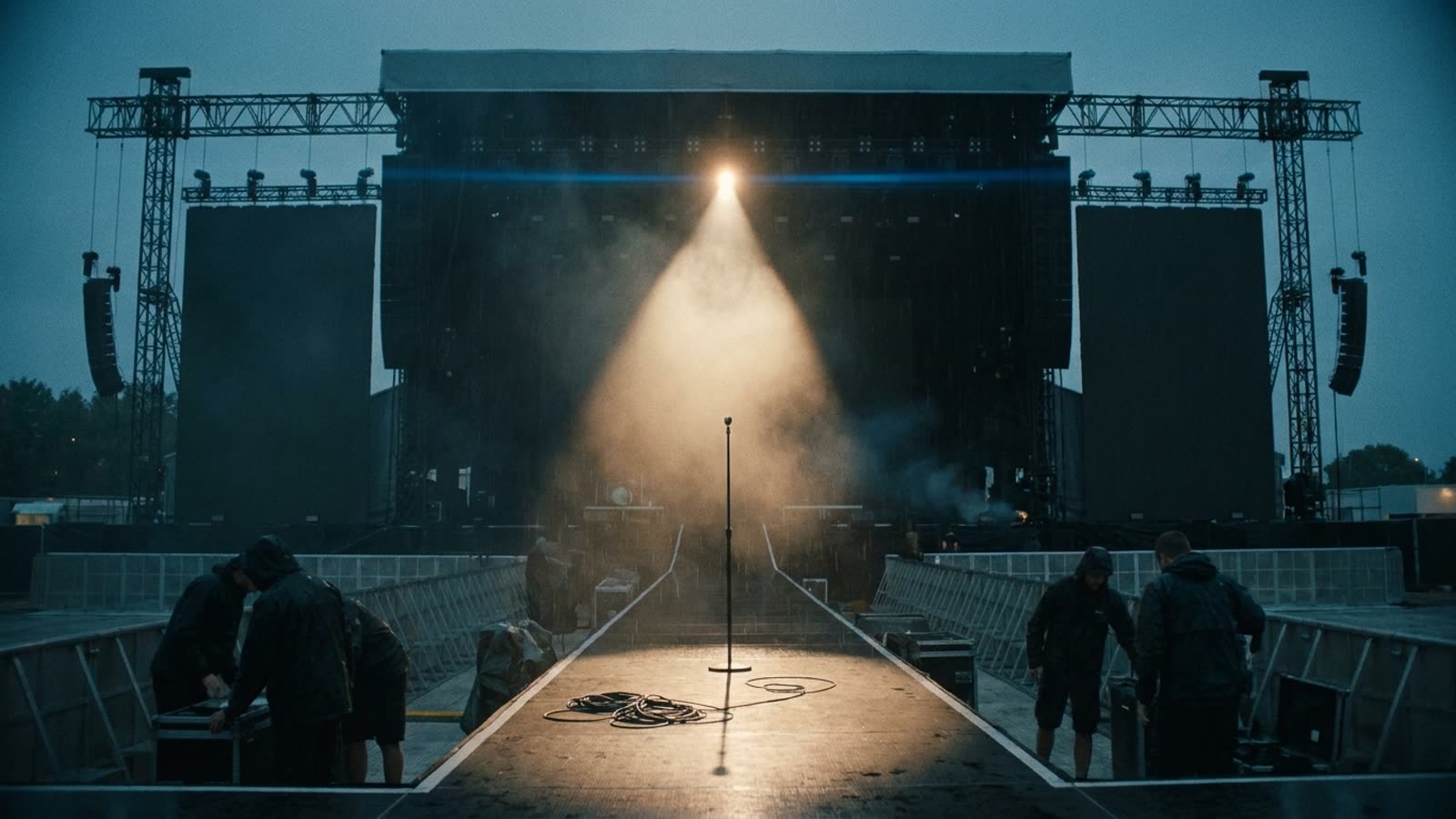
The concert calendar is bleeding out. In the span of a single week, multiple major artists have either canceled their tours outright, scrapped most of their U.S. dates, or pulled the plug on residencies that were supposed to anchor their summer schedules. What looked like isolated incidents—an artist citing exhaustion here, soft ticket sales there—has coalesced into something more systemic: the live music industry's reckoning with its own excess.
The timing is brutal. Summer 2026 was supposed to be the victory lap, the moment when post-pandemic touring economics finally stabilized after years of chaos. Instead, promoters are staring at half-empty arenas and artists are doing the math on whether it makes more financial sense to stay home.
The pricing problem nobody wanted to admit
For years, the industry operated on a simple bet: fans who were starved for live music during the pandemic would pay almost anything to see their favorite artists. And for a while, they did. Dynamic pricing pushed floor seats into four-figure territory. VIP packages that once seemed absurd became normalized. The bet paid off spectacularly—until it didn't.
What's happening now is the hangover. Consumers who stretched their budgets for one or two bucket-list shows in 2023 and 2024 have pulled back hard. Credit card debt is at record highs. Inflation ate into disposable income. And critically, the novelty of simply being at a concert again has worn off. Fans are asking whether the experience justifies the cost, and increasingly, the answer is no.
The residency retreat
Las Vegas residencies were supposed to be the safe harbor—lower overhead than touring, built-in tourist traffic, premium pricing for a premium experience. But even that model is showing cracks. When artists cancel Vegas dates, it's not because they're exhausted from the road; it's because the rooms aren't filling. The city's entertainment corridor, which absorbed an enormous amount of new venue capacity in recent years, is discovering that supply has outpaced demand.
The ripple effects extend beyond the artists themselves. Backup musicians, crew members, local vendors, and hospitality workers all built their lives around a touring calendar that's now being rewritten in real time. The gig economy that supports live music is facing its own contraction.
Our take
This correction was inevitable, and in some ways, healthy. The concert industry convinced itself that pandemic-era desperation represented a permanent shift in consumer willingness to pay. It didn't. What we're watching is a market repricing itself—painfully, publicly, and with real casualties along the way. The artists who survive this summer will be the ones who understand that filling a room at $75 a ticket beats playing to empty sections at $250. The ones who don't will keep canceling.