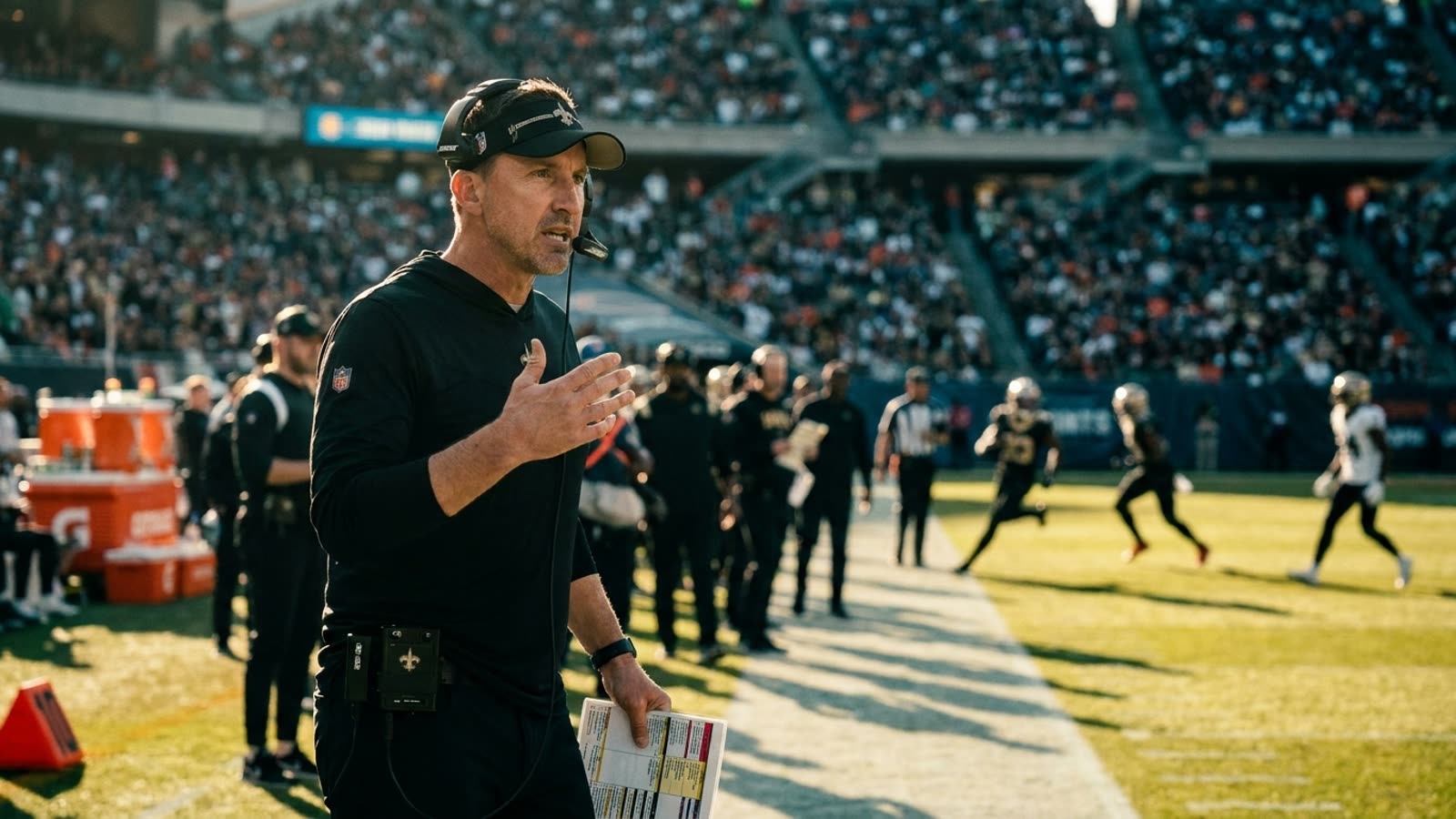
The coaching carousel hasn't started spinning yet, but the accountants are already at work. Across college football, athletic directors are running calculations that have nothing to do with wins and losses and everything to do with contractual escape clauses, guaranteed money, and the peculiar math of paying someone tens of millions of dollars to go away.
This is the season's quieter drama: not who will be hired, but who will be bought out — and at what cost.
The buyout industrial complex
College football has created a system where failure is often more lucrative than success. Coaches who underperform don't simply lose their jobs; they negotiate exits worth eight figures while their replacements command even larger guaranteed contracts. The cycle feeds itself.
The programs reportedly facing buyout decisions this fall represent a cross-section of college football's financial dysfunction. Some are blue bloods with boosters willing to write enormous checks. Others are mid-tier programs that will feel the sting of a buyout for years, diverting funds from facilities, recruiting, and — theoretically — education.
What unites them is the same grim arithmetic: the cost of keeping an underperforming coach versus the cost of paying him to leave, plus the cost of hiring someone new, plus the risk that the new hire demands a buyout clause even larger than the last one.
The market logic that isn't
In any rational market, buyouts would serve as insurance against premature termination — protection for coaches who uproot their families and stake their reputations on programs that might fire them after two bad seasons. In practice, they've become golden parachutes that reward mediocrity and punish institutional patience.
The numbers have escalated beyond parody. A decade ago, a $10 million buyout was headline news. Now it barely registers. Programs routinely commit to guaranteed money that exceeds the entire annual budget of their athletic departments' non-revenue sports combined.
And yet the carousel keeps turning. Boosters write checks. Athletic directors make promises. New coaches sign contracts with even larger buyouts, ensuring the cycle will repeat.
Why this year matters
The 2026 carousel arrives at a peculiar moment. Conference realignment has reshuffled the deck. NIL has transformed recruiting economics. The transfer portal has made roster construction more volatile than ever. Against this backdrop, the buyout decisions made this fall will determine which programs can adapt and which will spend years paying for past mistakes.
The smart money says at least three of the six programs reportedly weighing buyouts will pull the trigger before Thanksgiving. The smarter money says it won't matter much — the replacements will demand similar protections, and in four years we'll be having the same conversation about the same programs.
Our take
College football's buyout culture isn't a bug; it's a feature of a system that has abandoned any pretense of financial sanity. The sport generates billions, distributes it chaotically, and treats coaching contracts like venture capital bets — most will fail, but the upside of the occasional Kirby Smart or Dabo Swinney justifies the waste. It's economically indefensible and culturally fascinating, which is to say it's perfectly American. The carousel will spin, the checks will clear, and everyone involved will insist they had no choice.