The great cognac houses of France operate by rules that would make Silicon Valley founders weep. While tech companies obsess over quarterly earnings, families like the Hennessys, Martells, and Rémys think in centuries. Their succession planning begins not in boardrooms but in nurseries, where future guardians of eau-de-vie empires learn to distinguish terroir before they can properly pronounce it.
The apprenticeship begins at five
In the cellars beneath Cognac, children of the ruling families undergo what amounts to sensory boot camp. By age five, they're learning to identify the subtle differences between Grande and Petite Champagne grapes. By twelve, they can detect oxidation levels that would escape trained sommeliers. This isn't helicopter parenting—it's dynasty preservation.
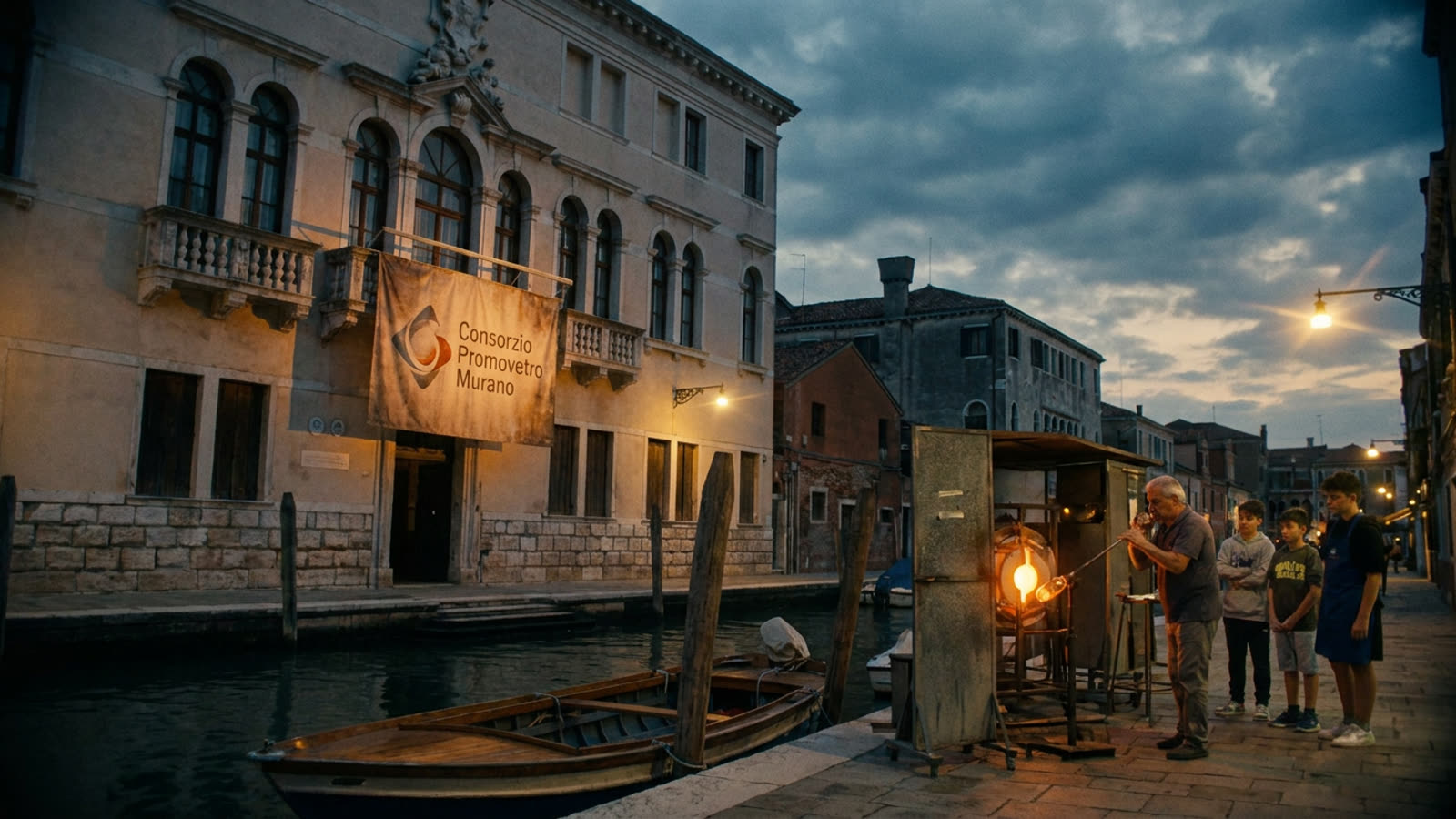
The training is deliberately harsh. One prominent house requires teenage heirs to work every position in the company, from grape picking to glass blowing. They clean fermentation tanks at dawn and study international tax law at night. Those who complain are reminded that their seventeenth-century ancestors built the business while dodging the guillotine.
Marriage contracts and master blenders
The real power in cognac doesn't flow through stock options but through marriage contracts and cellar keys. When cognac dynasties intermarry, the prenuptials read like trade agreements, specifying which family recipes stay put and which cross houses. Master blenders—the high priests of cognac—often hold more sway than CEOs, and their loyalty is secured through arrangements that would make mafia families blush.
The paradox is striking: these houses sell luxury and sophistication to the world while operating internally like feudal estates. Board positions are hereditary. Recipe books are kept in safes that require multiple family members to open. Even the LVMH acquisition of Hennessy left the family with carefully negotiated veto powers over any changes to production methods dating back to the Napoleonic era.
Our take
The cognac dynasties have survived revolution, two world wars, and the disruption of global markets by doing what Silicon Valley only pretends to do: thinking genuinely long-term. Their children may resent the pressure, their methods may seem antiquated, but their bottles will outlast any app. In an age of instant gratification, there's something admirably stubborn about families who plant grapes their great-grandchildren will harvest.