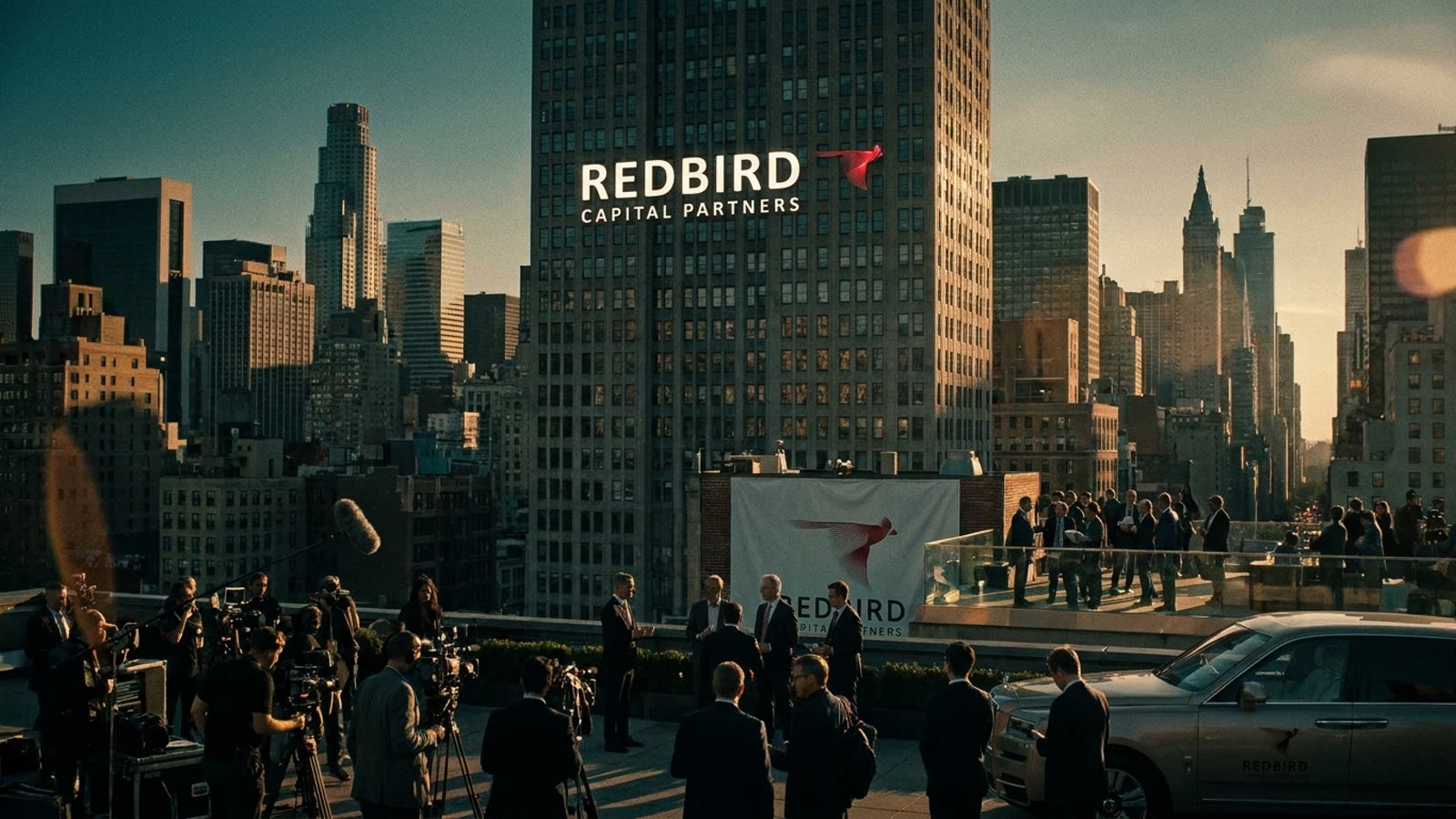
The Centre National du Cinéma et de l'Image Animée turned eighty this week, and the institution marked the occasion not with champagne toasts but with something more French: a three-day symposium in Paris about the existential future of film financing. Cannes Film Festival director Thierry Frémaux was there to praise the model; CNC president Gaëtan Bruel was there to warn that praise alone won't save it.
The gathering's subtext was unmistakable. At a moment when American studios are canceling mid-budget projects, when streamers are pulling back from international co-productions, and when the very definition of theatrical exhibition is under siege, France's dirigiste approach to cinema—mandatory levies on ticket sales, television broadcasts, and streaming platforms, redistributed as production subsidies—looks less like quaint protectionism and more like the only sustainable game in town.
The model everyone admires but nobody copies
The CNC collects roughly €700 million annually through its tax-and-redistribute mechanism, funding everything from arthouse debuts to commercial comedies. The system predates the European Union, the multiplex, and the internet; it has survived each disruption by simply expanding its levy base. When Netflix arrived, France made Netflix pay. When TikTok started hosting clips, regulators began asking questions about short-form levies too.
Other countries have tried variations—South Korea's KOFIC, the UK's lottery-funded BFI allocations—but none have achieved the same combination of scale, stability, and cultural prestige. The difference is partly legal (France's constitutional commitment to cultural exception) and partly temperamental: French policymakers treat cinema as infrastructure, not charity.
Frémaux's quiet victory lap
For Frémaux, the anniversary offered a chance to remind the industry why Cannes remains the world's most important film festival. The answer is not the red carpet; it is the pipeline. French funding produces a reliable supply of ambitious, director-driven films that premiere on the Croisette and then circulate globally. Without the CNC, Cannes would be competing for the same handful of American prestige titles as every other festival.
Bruel, for his part, struck a more cautious tone. The streaming levies face legal challenges; the theatrical sector is still recovering from pandemic-era losses; and the far-right's periodic attacks on cultural subsidies have not disappeared. The CNC's survival, he suggested, requires constant political defense.
Our take
Eighty years is a long time for any cultural institution, and an eternity for a funding mechanism that depends on political consensus. The CNC's longevity is not an accident; it reflects a genuine French belief that cinema is too important to leave to the market. Whether that belief will survive the next generation of policymakers—raised on YouTube, skeptical of state intervention, indifferent to the mystique of the theatrical experience—is the question Bruel is really asking. For now, the model holds. The rest of the world watches, takes notes, and does nothing.