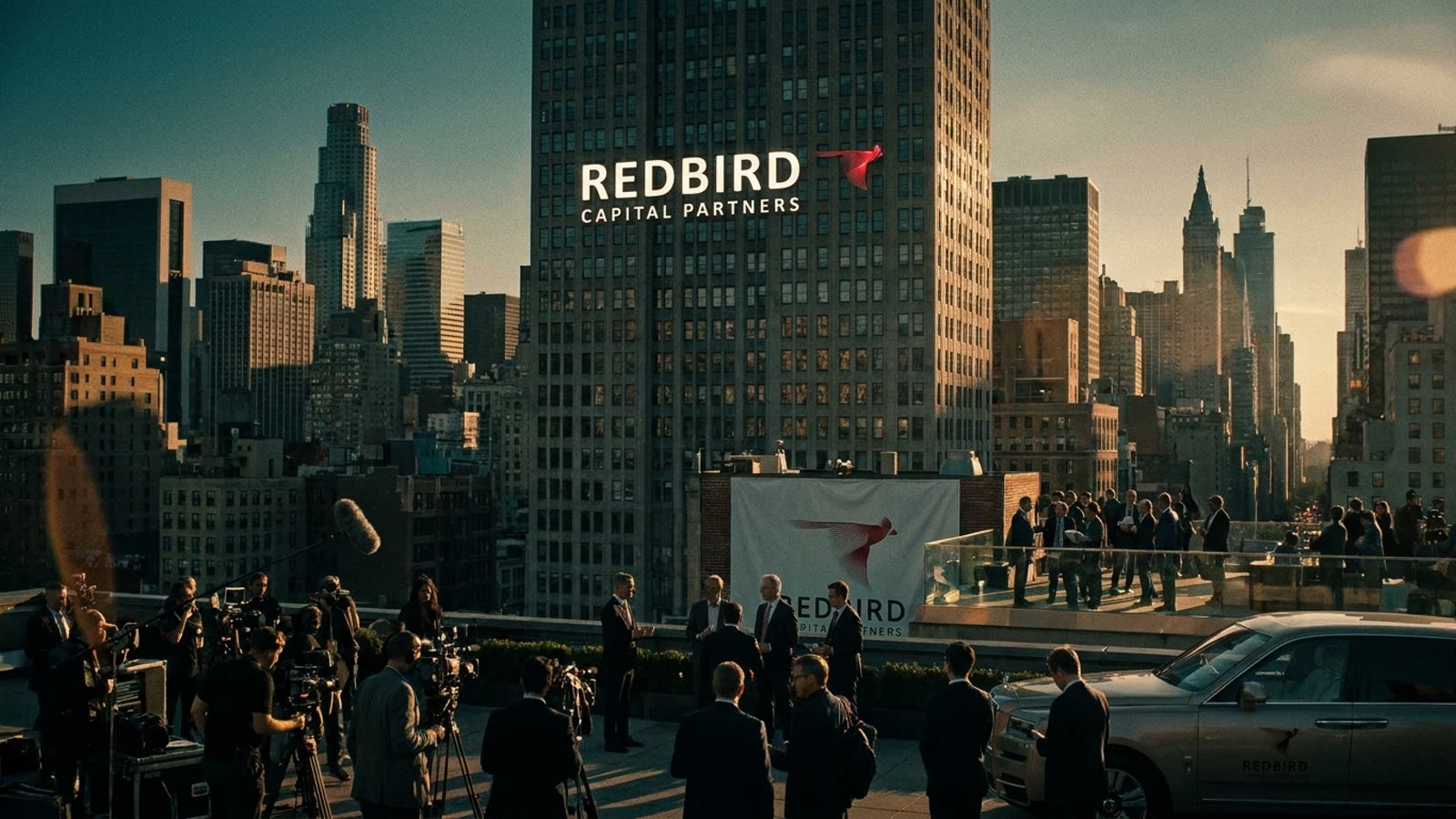
When the man who bankrolled Skydance, Liverpool FC, and Artists Equity joins forces with Madonna's longtime manager and Ashton Kutcher's venture partner, the resulting entity is less an investment fund than a declaration of intent. Gerry Cardinale's RedBird Capital and Guy Oseary's Sound Ventures have announced a $1 billion partnership targeting companies "at the convergence of technology, media and culture" — a phrase so capacious it could describe everything from a streaming platform to a celebrity tequila brand.
Which is, of course, precisely the point.
The architecture of modern celebrity capital
Cardinale has spent the past decade proving that sports and entertainment assets are not vanity plays but serious financial instruments. His portfolio reads like a syllabus in 21st-century media power: the YES Network, Fenway Sports Group, the XFL resurrection, and most recently the Skydance-Paramount merger that reshaped the studio landscape. Oseary, meanwhile, has evolved from music management into tech investing, backing Uber, Spotify, and Airbnb through Sound Ventures while maintaining his role as the connective tissue between Silicon Valley and the celebrity economy.
Together, they represent a thesis that has quietly become orthodoxy among the financial elite: that the distinction between entertainment, technology, and consumer brands has collapsed, and the winners will be those who can move capital fluidly across all three.
Why now, and why this much
A billion dollars is not a modest sum, even by private equity standards. The timing suggests both opportunity and anxiety. Traditional media valuations remain depressed, creating acquisition targets. But the real play may be in the infrastructure of celebrity itself — the agencies, the production companies, the brand incubators that turn famous faces into revenue streams. Sound Ventures' existing investments in companies like ClassPass and Calm hint at where this capital might flow: wellness, lifestyle, and the monetization of attention.
The partnership also reflects a generational shift in how entertainment is financed. Studio executives once controlled the gates; now, a handful of financiers and talent managers have accumulated enough capital and relationships to function as parallel power centers.
Our take
There is something both impressive and slightly unsettling about watching this much capital concentrate in so few hands. Cardinale and Oseary are genuinely skilled at identifying value in cultural assets — their track records are difficult to dispute. But the emergence of a financier class that can greenlight films, own sports teams, launch celebrity brands, and invest in the platforms that distribute all of the above raises questions about creative independence that the industry has mostly declined to ask. For now, the market has decided that celebrity is an asset class, and these two intend to own a significant share of it.