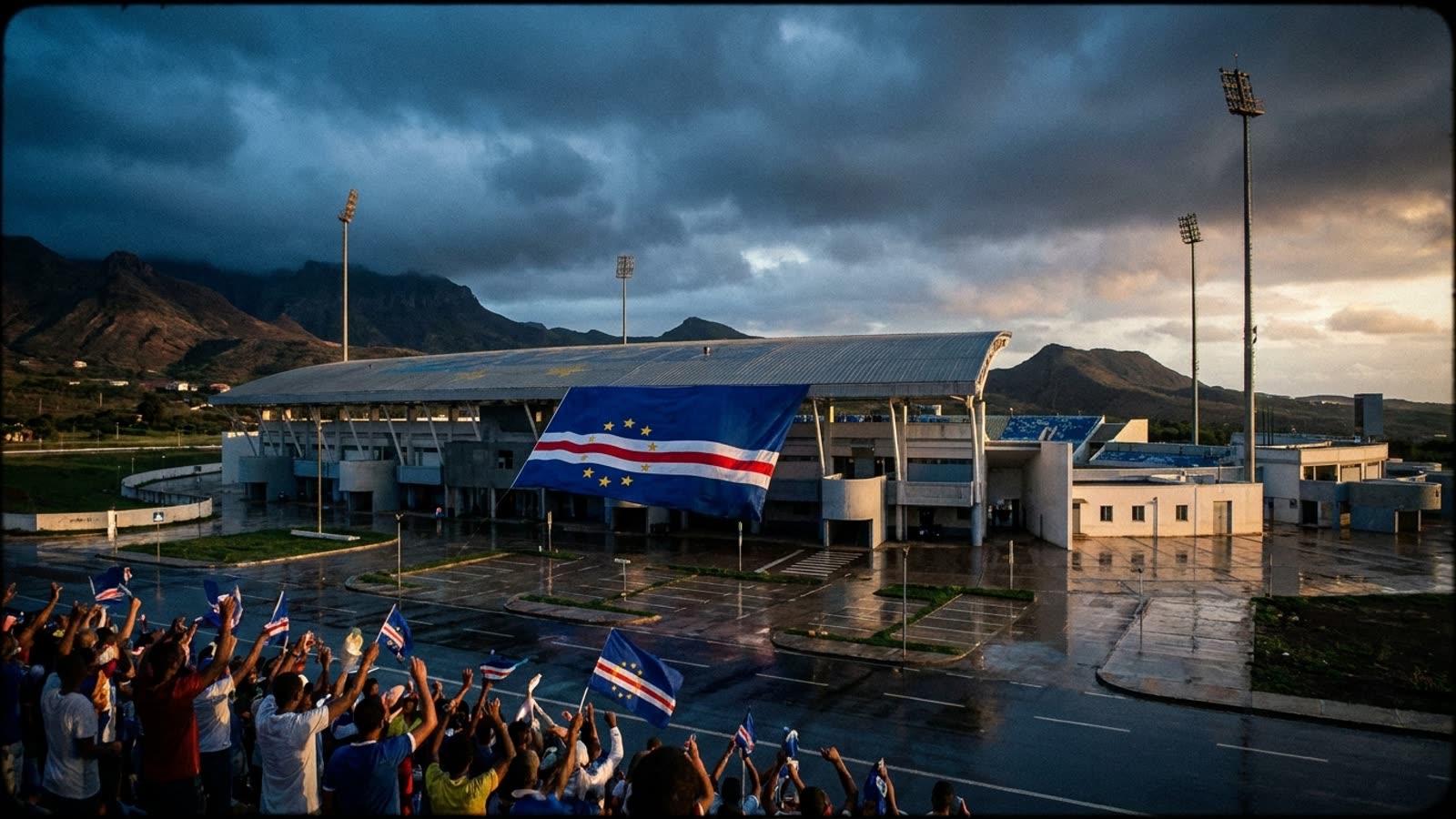
The World Cup has always loved an underdog, but it has never seen one quite like this. Cape Verde, a volcanic archipelago of ten islands scattered off West Africa's coast, has qualified for the knockout round of football's grandest tournament — becoming the smallest nation by population ever to achieve the feat.
The numbers border on absurd. Fewer than 600,000 people call Cape Verde home, roughly the population of Milwaukee. The country's football federation was founded in 1982, making it younger than several players competing in this tournament. Their entire domestic league operates on a semi-professional basis. And yet here they are, through to the round of sixteen while Uruguay — three-time World Cup winners with a century of footballing tradition — pack their bags for Montevideo.
The diaspora dividend
Cape Verde's secret is hidden in plain sight: most of their best players have never lived there. The squad reads like a tour of European football's middle tiers, with players born or raised in Portugal, the Netherlands, France, and beyond. FIFA's eligibility rules allow athletes to represent nations through ancestry, and Cape Verde has exploited this pathway more effectively than any country its size.
This is not cynical roster manipulation but rather the logical outcome of Cape Verdean history. Decades of emigration mean the diaspora outnumbers the island population, and football-mad communities in Lisbon and Rotterdam have produced technically proficient players who might never crack Portugal's or the Netherlands' squads but who represent genuine quality at this level. Manager Pedro Brito has welded these scattered talents into a cohesive unit built on defensive discipline and rapid counterattacking.
What Uruguay's exit means
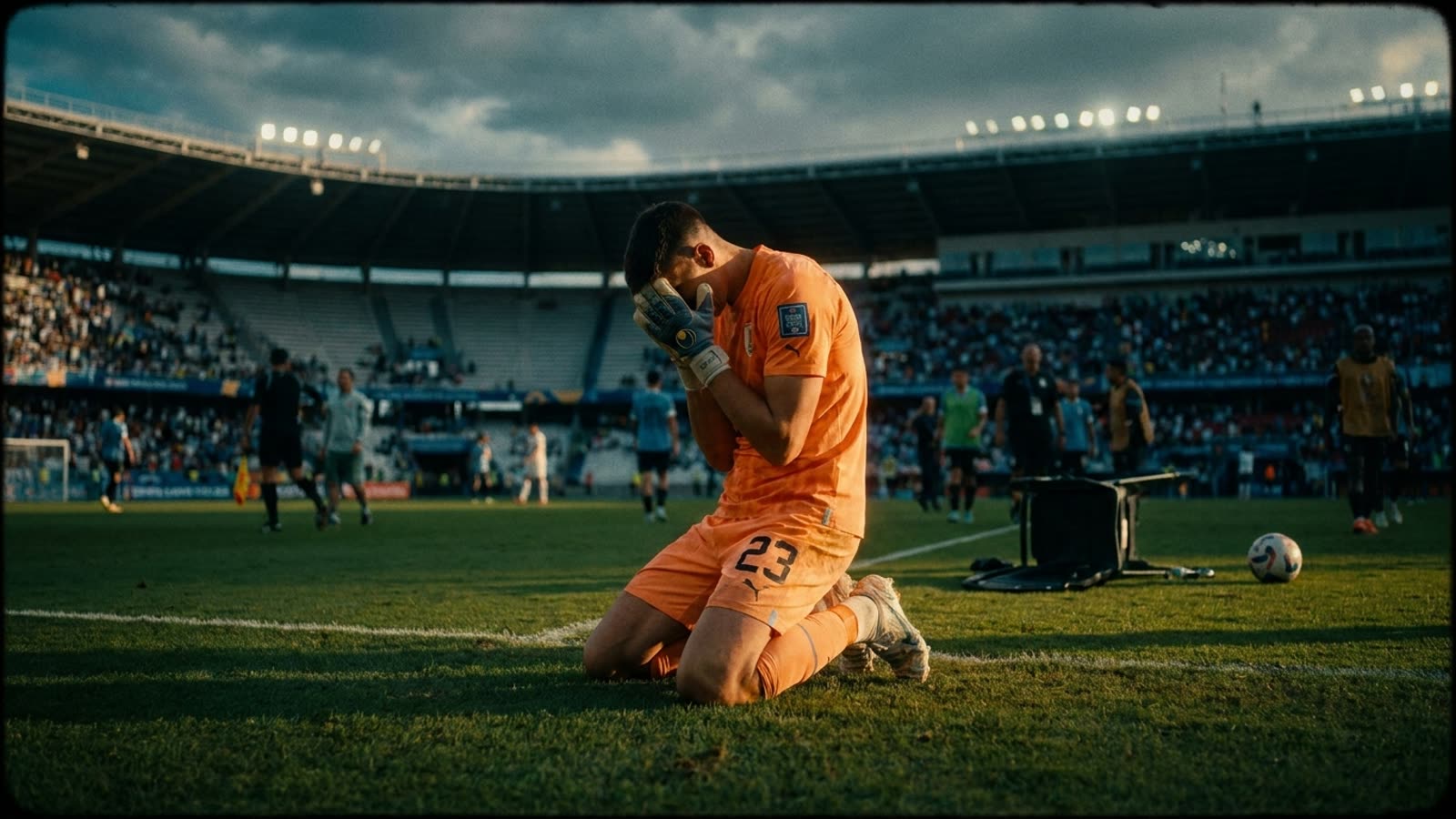
The group stage's other headline — Uruguay's elimination after goalkeeper Sergio Rochet's calamitous error against Egypt — provides useful context. Traditional football powers no longer enjoy automatic passage. The sport's globalization has distributed coaching knowledge, sports science, and tactical sophistication far beyond the old centers. A nation like Cape Verde can now access the same video analysis software, the same nutritional protocols, the same pressing triggers as anyone else.
This does not mean parity — Germany or France would still be heavy favorites against Cape Verde in a knockout match — but it means the gap has narrowed enough that upsets are no longer miraculous. They are merely improbable.
Our take
Cape Verde's run matters beyond the scoreboard. It demonstrates that football's future may belong not to the largest nations but to the most imaginative ones — those willing to scout their diasporas, to build identity from geography rather than population, to treat FIFA's rulebook as an opportunity rather than a constraint. Whether they win another match or lose by five goals in the round of sixteen, they have already proven something important: in modern football, small is no longer synonymous with hopeless.