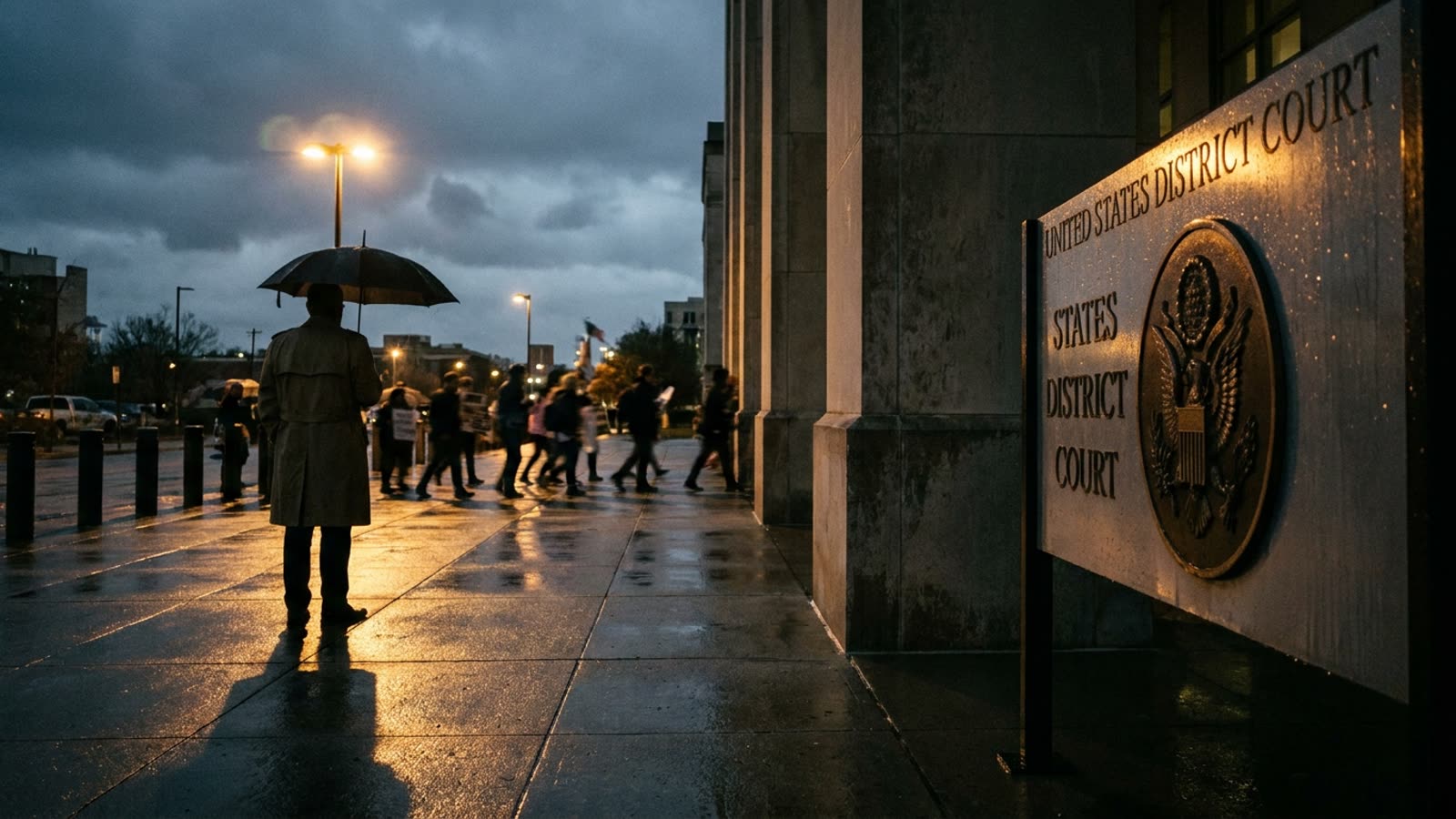
The Trump administration's attempt to disenfranchise thousands of California voters collapsed in a federal courtroom this week, but the legal strategy it revealed should alarm anyone who assumed the 2026 midterms would proceed without executive interference.
The Justice Department had demanded that California election officials segregate and refuse to count approximately 20,000 ballots from individuals it claimed were non-citizens. The federal judge's response was swift and unambiguous: no. The ruling found that the administration had failed to provide evidence that any of the targeted ballots were cast illegally, and that the demand itself violated established procedures for challenging voter eligibility.
The legal architecture of a fishing expedition
What makes this case remarkable is not that it failed—most legal observers expected it would—but that the Justice Department filed it at all. The complaint relied on data-matching between voter rolls and immigration databases, a method courts have repeatedly found unreliable due to naturalization lag, name discrepancies, and clerical errors. The administration offered no individual evidence of fraud, instead asking the court to treat statistical correlation as grounds for mass disenfranchisement.
California's Secretary of State called the filing "a solution in search of a problem," noting that the state already has robust citizenship verification at the registration stage. The judge agreed, observing that the DOJ had not identified a single confirmed non-citizen vote among the 20,000 ballots in question.
The appeal is the point
The administration has already signaled it will appeal, and therein lies the strategy. With the midterms days away, any delay in processing ballots could affect close races. Even if the appeal fails, the mere existence of litigation creates uncertainty—and uncertainty, in a polarized electorate, can depress turnout or provide post-election ammunition for contesting results.
This is lawfare as political theater, designed less to win in court than to win in the court of public opinion. The president has spent weeks claiming that California's elections are "rigged" by illegal voting, a narrative this lawsuit was meant to substantiate. That a federal judge found it baseless will matter less to the base than the fact that the fight was waged.
Our take
The California case is a stress test for American democracy, and the system held—this time. But the willingness of the Justice Department to file claims it knew were legally tenuous suggests the administration views the judiciary as one more arena for political combat rather than a check on executive overreach. The Supreme Court may yet weigh in before ballots are certified. If it does, the 2026 midterms will be remembered not for their results but for the precedent they set about who gets to decide which votes count.