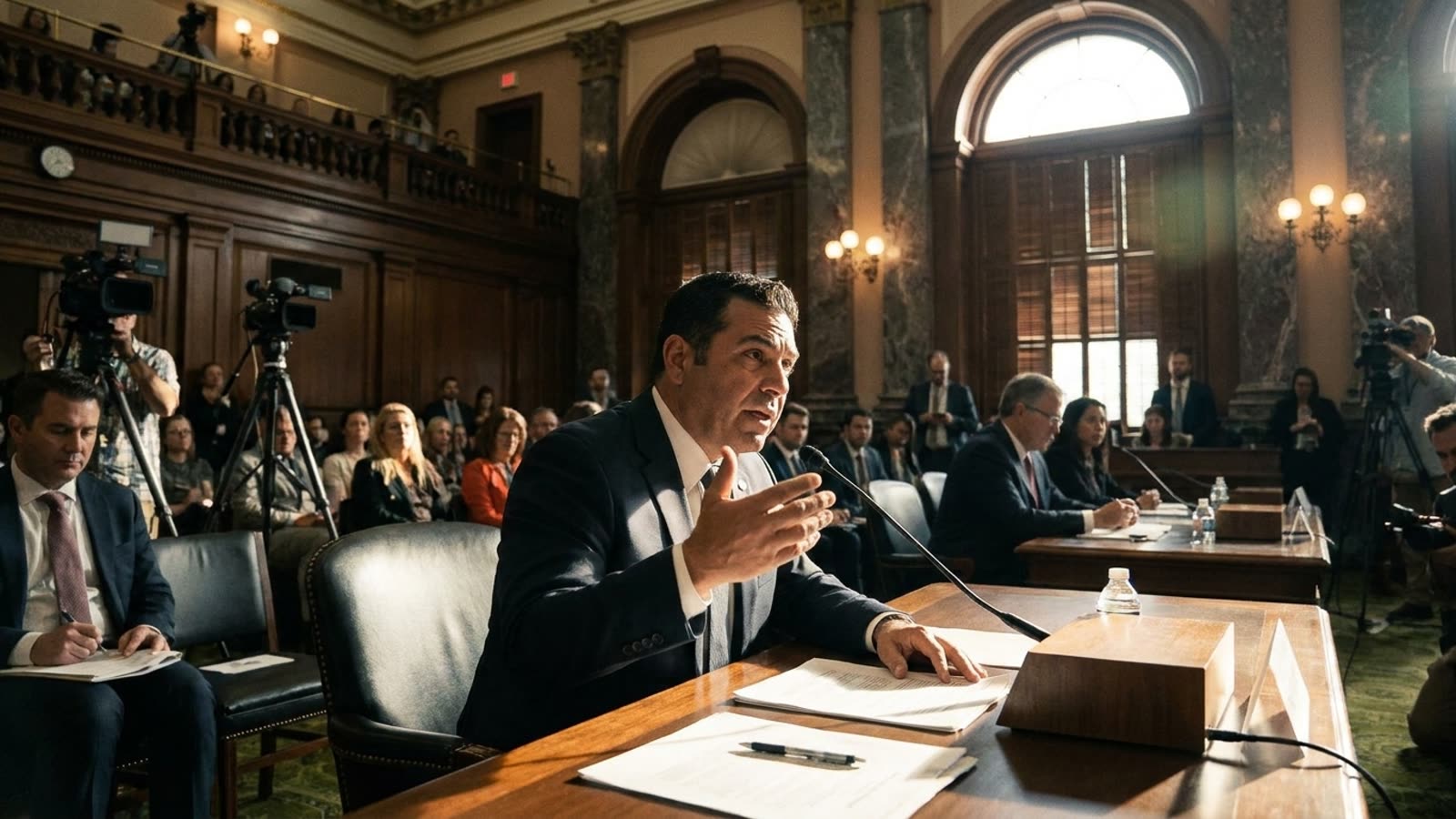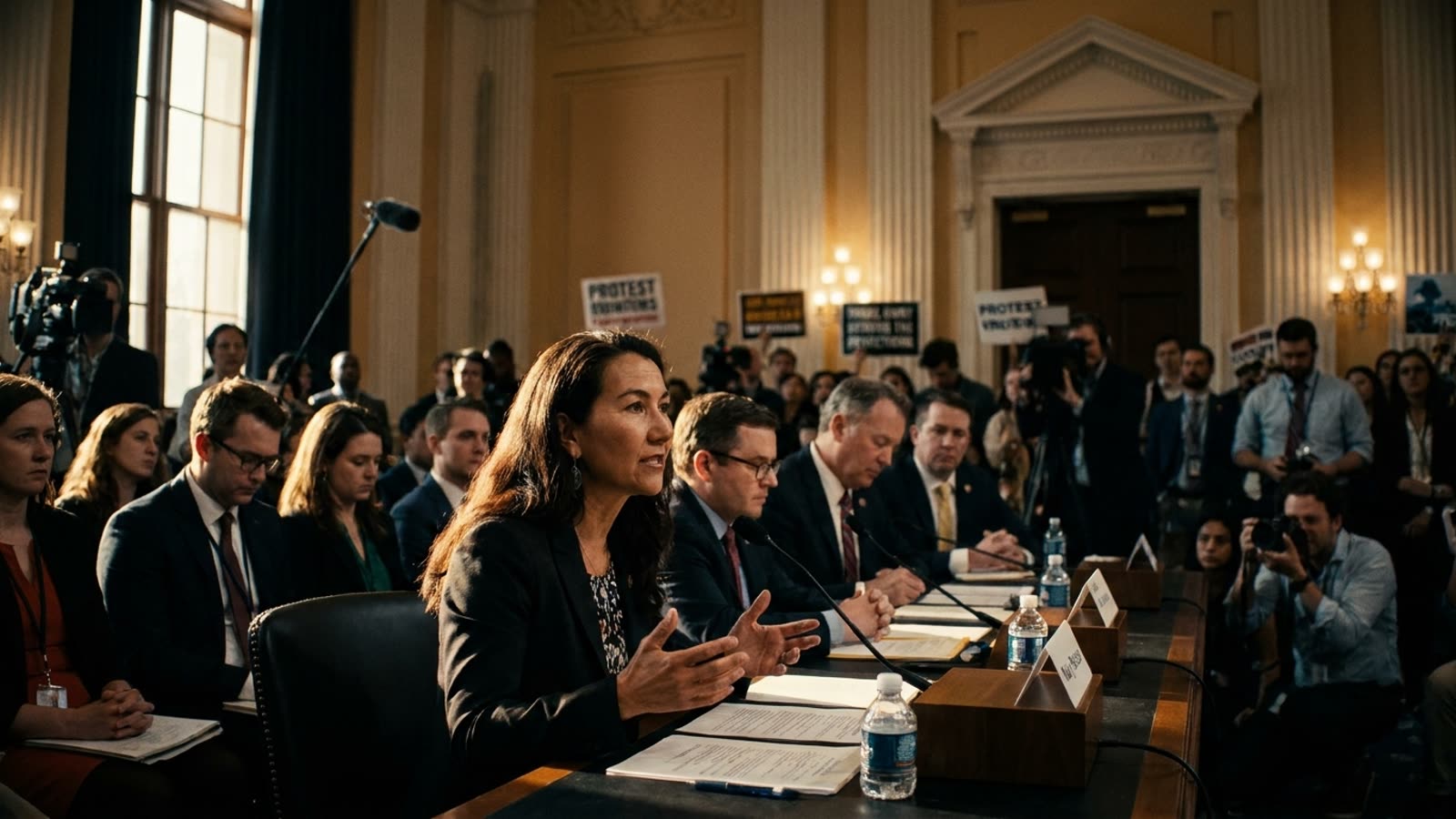
The United States Senate race in Alaska has become a laboratory for one of the oldest tricks in democratic politics: if you cannot beat your opponent, confuse the electorate about who he is.
According to a New York Times report, Senator Mary Peltola's campaign orchestrated an effort to place a second candidate named Dan Sullivan on the ballot — a maneuver designed to siphon votes from the incumbent Republican Dan Sullivan, who has held the seat since 2015. The gambit exploits a peculiarity of American ballot design: in a state where name recognition matters enormously and many voters cast ballots without deep research, two identical names create an arithmetic problem for the favorite.
The mechanics of confusion
The strategy is not new. In Florida's 2020 state senate races, so-called "ghost candidates" with names similar to Democratic incumbents appeared on ballots, funded by dark-money operations later tied to a Republican consultant. Courts have struggled to address the tactic because running for office under one's legal name is, on its face, constitutionally protected speech.
Alaska presents an unusually fertile ground for such mischief. The state's ranked-choice voting system, adopted in 2020, was supposed to reduce spoiler effects by allowing voters to rank candidates. But ranked-choice cannot solve the problem of voters who believe they are selecting one Dan Sullivan and inadvertently choose another. If enough Republican-leaning voters make that mistake — or simply leave the race blank out of confusion — Peltola's path to re-election widens considerably.
Trump's predictable fury
President Trump responded with characteristic restraint, calling Peltola's alleged actions "illegal" and demanding her disqualification from the race. His intervention transforms a regional controversy into a national culture-war flashpoint, which may or may not help the actual Dan Sullivan. Trump's endorsement is a double-edged instrument in Alaska, where his approval ratings have softened since 2024 and where Peltola's personal popularity — she is the first Alaska Native to serve in Congress — cuts across partisan lines.
The legal question is murkier than Trump's rhetoric suggests. Recruiting a candidate is not inherently unlawful; campaigns routinely encourage allies to enter races. The issue is whether the recruitment involved fraud, misrepresentation, or illegal coordination. Without evidence of forged signatures or payments that violate campaign-finance law, prosecutors would face an uphill climb.
Our take
This is democracy operating exactly as designed — which is the problem. American election law treats candidacy as a near-absolute right, ballot design as a local matter, and voter confusion as an acceptable externality. The Alaska gambit is cynical, but it is also rational behavior within a system that rewards cynicism. If Republicans want to close the loophole, they will need to support federal ballot-design standards and candidate-qualification reforms — policies they have historically opposed as federal overreach. Until then, expect more doppelgängers.