Billy Joel has spent five decades convincing audiences that he's just a regular guy from Long Island who happens to write generational anthems. Now, at 77, he's doing something that punctures that everyman mythology: admitting he can no longer do the thing he loved most when no one was watching.
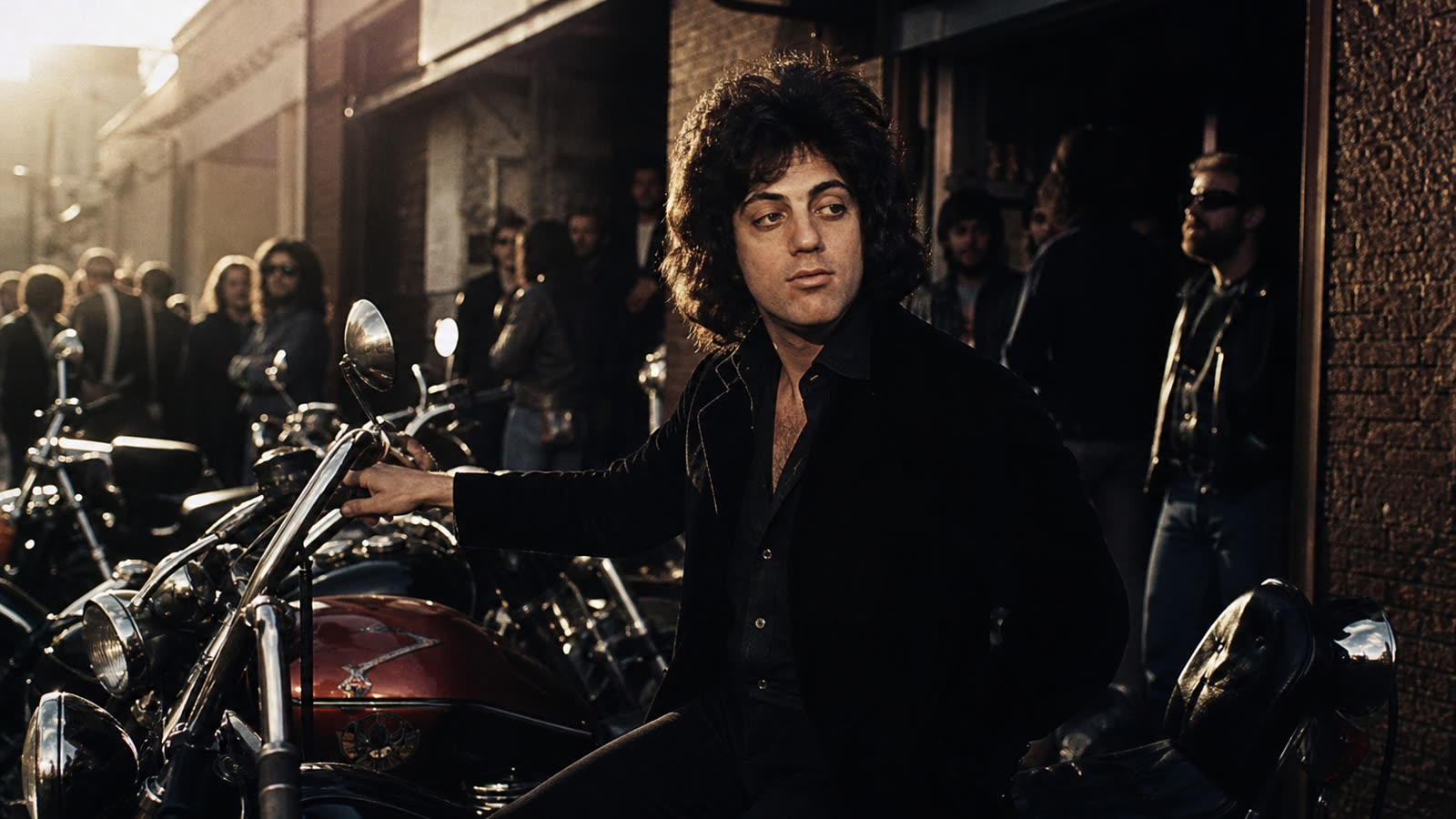
In a rare interview ahead of his Christie's motorcycle auction, Joel offered an unusually candid health update, discussing his ongoing battle with hydrocephalus — a condition involving fluid buildup in the brain that can affect balance, cognition, and motor function. The timing of the sale, he made clear, is not coincidental. "I was not a collector," Joel said. "I was actually a rider." The distinction matters. Collectors accumulate; riders use. And when you can no longer use something that defined your private identity, keeping it becomes a different kind of burden.
The collection tells a story
The 70-plus motorcycles heading to auction represent decades of acquisition, from vintage British café racers to American cruisers to Italian exotica. Joel's passion for bikes predates his fame — he worked as a motorcycle mechanic before "Piano Man" changed everything. The collection isn't the curated portfolio of a wealthy hobbyist; it's the accumulated evidence of someone who genuinely loved engines, roads, and the particular solitude of riding.
Christie's has not disclosed estimates, but collections of this provenance and scale routinely fetch eight figures. The auction house is betting that Joel's cultural cachet — and the documented authenticity of his enthusiasm — will command premiums beyond what the machines themselves might otherwise warrant.
A different kind of farewell tour
Joel also addressed his hopes of performing again, though he was characteristically measured. Hydrocephalus is manageable but unpredictable; it ended his residency at Madison Square Garden in 2024 and has kept him off stages since. The interview suggested a man at peace with uncertainty — neither declaring retirement nor promising a comeback, just acknowledging that some decisions aren't his to make.
This is notable because Joel has historically resisted the valedictory impulse. He stopped writing pop songs in 1993, refused to chase relevance, and treated his MSG residency as a standing invitation rather than a farewell. Selling the bikes feels like the first public concession that the body has veto power over the will.
Our take
There's something clarifying about watching a rock star confront limits without melodrama. Joel isn't staging a tearful goodbye or launching a documentary; he's selling motorcycles because he can't ride them anymore, and he'd rather someone else enjoy them. The auction will be covered as a celebrity estate sale, but it's actually something rarer: a man in his late seventies being honest about what aging takes away, and choosing to let go gracefully rather than pretend otherwise. The bikes will find new owners. The songs remain.