The most expensive thing in the room is increasingly the one you cannot identify. No monogram, no hardware, no obvious tell—just a sweater that costs more than a mortgage payment, distinguished only by the quality of its yarn and the precision of its seams. This is the aesthetic that has quietly colonized fashion's upper echelons, and understanding its rise means understanding how wealth learned to hide in plain sight.
The phenomenon goes by several names: quiet luxury, stealth wealth, the Loro Piana-ification of everything. But the underlying logic is consistent. In an age of influencer culture and algorithmic visibility, the truly affluent have discovered that the ultimate status symbol is the absence of symbols altogether. When everyone can buy a logo, the logo loses its power. When fast fashion can approximate a trend within weeks, being on-trend becomes déclassé. The solution? Retreat into quality so rarefied that only initiates can recognize it.
The Bottega blueprint
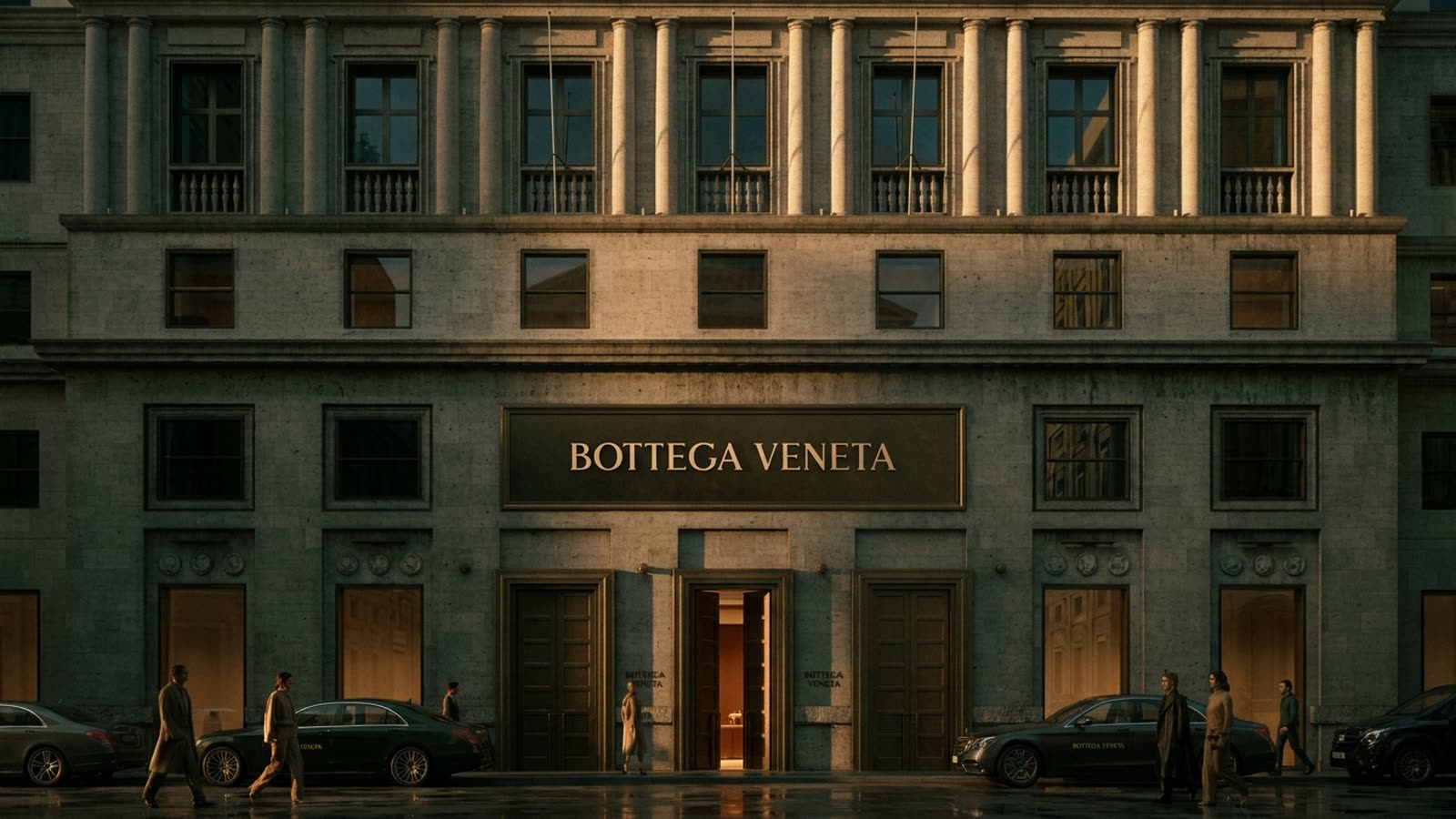
No brand better illustrates this shift than Bottega Veneta, the Italian house that deleted its social media accounts in 2021 and watched its desirability soar. Under creative director Matthieu Blazy, the brand has doubled down on what might be called aggressive understatement—leather so supple it moves like fabric, construction so invisible it borders on magic. The signature intrecciato weave functions as a logo for people who claim to hate logos, recognizable to those in the know while maintaining plausible deniability for everyone else.
The strategy has proven commercially potent. Parent company Kering has consistently highlighted Bottega as a growth engine, even as flashier stablemates face headwinds. The lesson has not been lost on competitors. Brunello Cucinelli, the Italian cashmere king who quotes Kant in earnings calls, has seen his company's valuation climb steadily. The Row, founded by Mary-Kate and Ashley Olsen, has become fashion's most coveted reservation, with waiting lists for coats that start at several thousand dollars and ascend from there.
Class anxiety in cashmere form
Critics argue that quiet luxury is simply old money aesthetics repackaged for new money anxieties. There is truth to this. The look draws heavily from codes established by American WASP dynasties and European aristocracy—the kind of people who never needed to announce their wealth because everyone already knew. What has changed is who is buying in.
The new quiet luxury consumer is often a first-generation wealth creator, someone acutely aware that conspicuous consumption reads as gauche in certain circles. They are optimizing for a different audience: not Instagram followers but private equity partners, not viral moments but country club acceptance. The irony is that this ostensibly anti-status aesthetic has become its own form of status competition, just with different rules.
There is also a practical dimension. In an era of increasing wealth inequality and social tension, looking rich has become riskier. A Birkin bag in certain neighborhoods is an invitation; a plain cashmere coat is camouflage. Quiet luxury offers the pleasures of quality without the vulnerabilities of visibility.
The trickle-down paradox
Perhaps the strangest aspect of quiet luxury's dominance is how thoroughly it has been democratized. Fast fashion retailers now sell "quiet luxury" capsule collections. TikTok is flooded with tutorials on achieving "old money aesthetic" for under a hundred dollars. The look designed to be uncopiable has been copied relentlessly.
This creates a peculiar arms race. As the signifiers of stealth wealth become widely recognized, the truly wealthy must retreat further into obscurity—bespoke tailoring with no labels at all, vintage pieces with no provenance trail, experiences rather than objects. The endpoint may be a kind of aesthetic minimalism so extreme it becomes its own maximalism.
Our take
Quiet luxury is neither as noble as its proponents suggest nor as sinister as its critics claim. It is simply the latest iteration of fashion's eternal game: the endless pursuit of distinction in a world that keeps catching up. The rich have always sought ways to signal membership in their tribe while excluding outsiders; they have just gotten subtler about it. What makes this moment interesting is the collision between that impulse and a culture of unprecedented visibility. In a world where everything is photographed, analyzed, and replicated, the ultimate luxury may indeed be illegibility. Whether that represents refined taste or elaborate cope is, as always, a matter of perspective—and probably of price point.