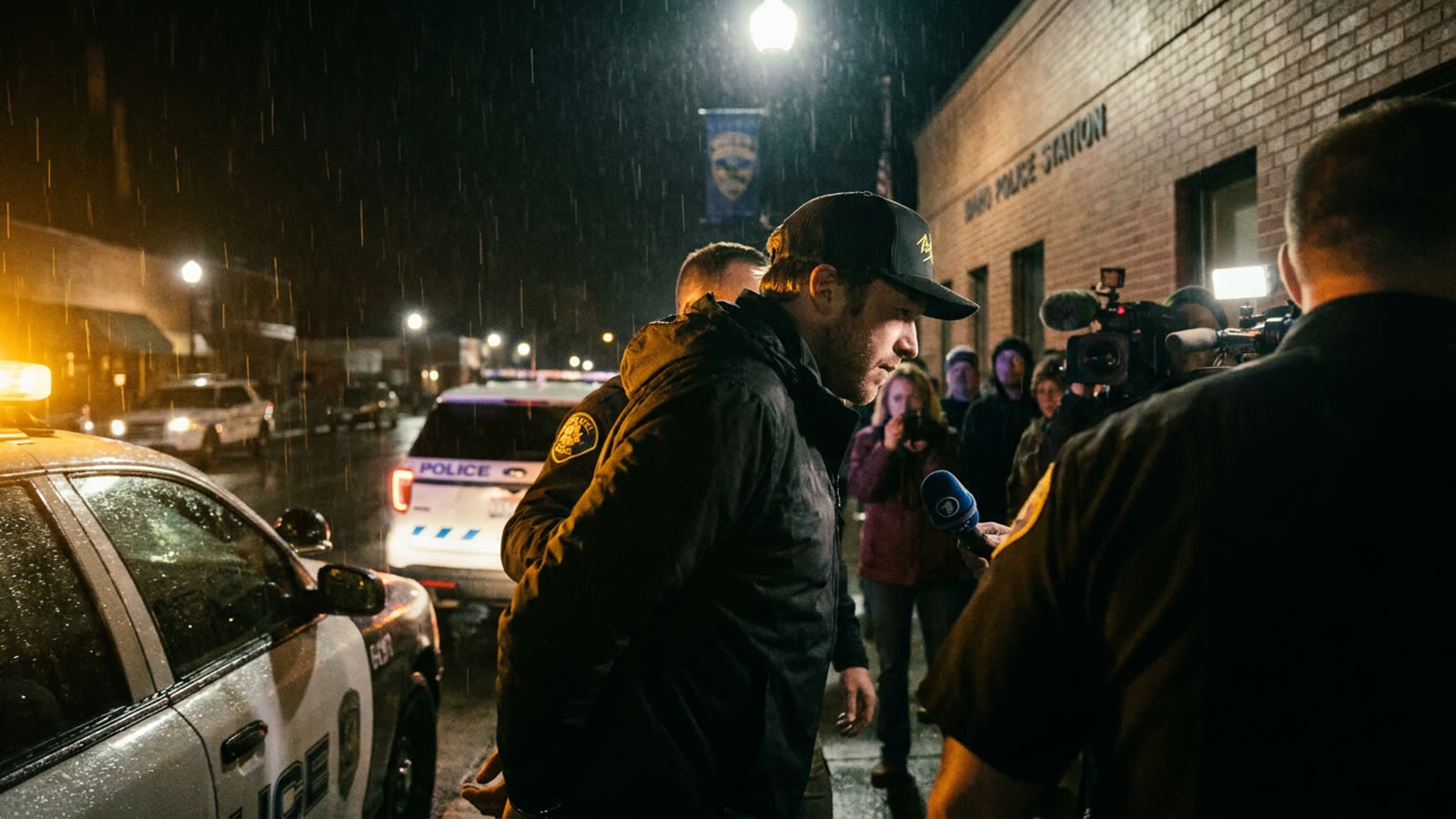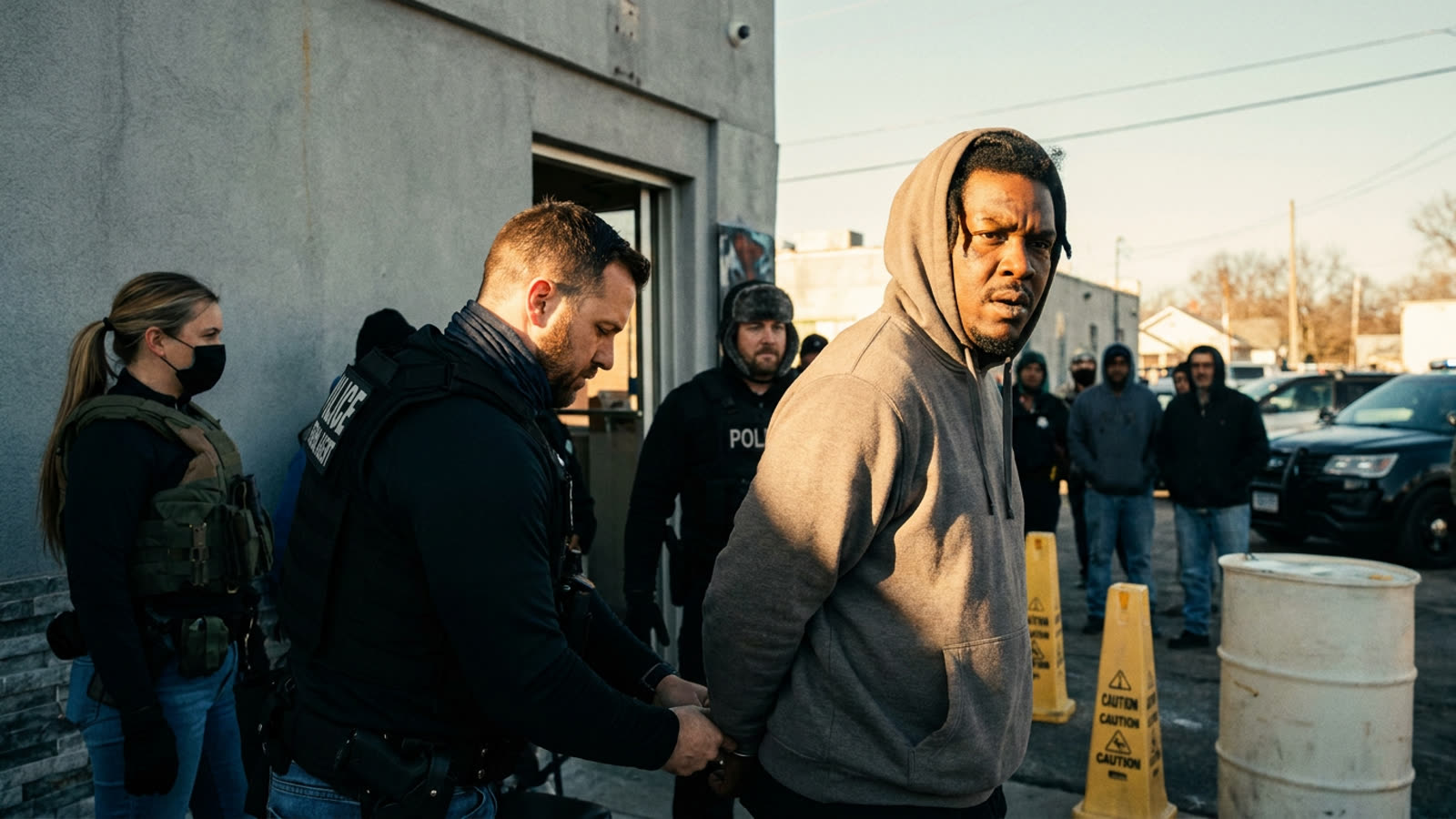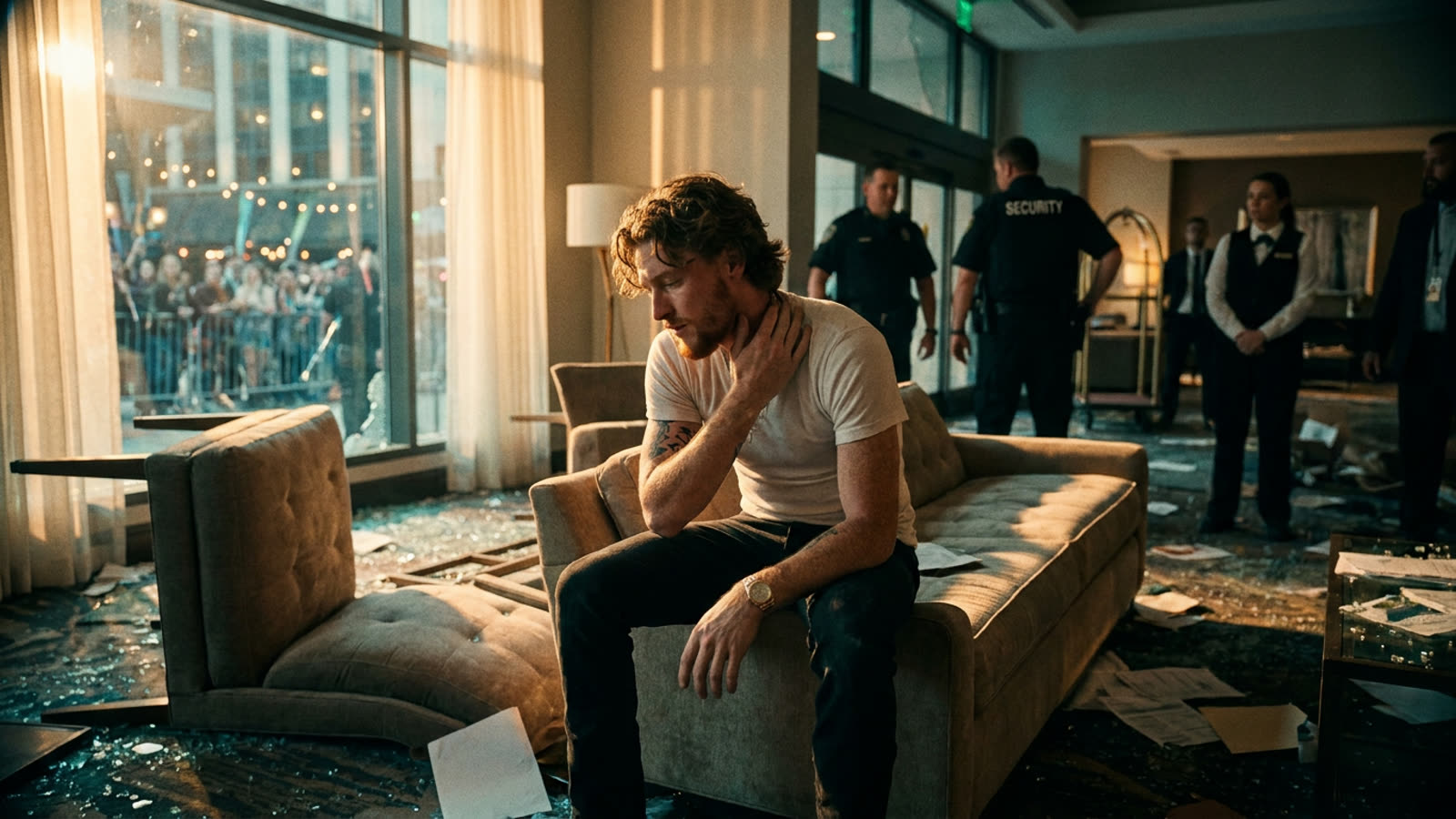
Another year, another country music breakout star standing before a judge explaining why furniture needed to die. Bailey Zimmerman, whose streaming numbers made him the genre's most successful debut artist in years, has been charged with felony criminal damage to property after allegedly trashing a hotel room—a sentence so familiar it could be a lyric from his own catalog.
The Illinois-born singer, who went from welding to arena tours in roughly the time it takes most artists to get a manager's attention, reportedly caused significant damage to a hotel property. Details remain sparse, but the outline is tediously recognizable: young man writes songs about pain, young man achieves massive success, young man expresses pain in ways that involve property damage and police reports.
The streaming-era paradox
Zimmerman's trajectory represents something genuinely new in Nashville—an artist who bypassed traditional gatekeepers entirely, building his audience through TikTok and Spotify before the industry knew his name. His debut album went platinum. His songs about small-town heartbreak resonated with millions who had never seen a major label's fingerprints on his career.
But streaming-era success comes without the institutional infrastructure that once surrounded rising stars. The old Nashville system was paternalistic and often exploitative, but it did provide handlers, tour managers, and industry veterans who had seen young men spiral before. Zimmerman's DIY ascent meant DIY support systems—or the absence of them.
Country's unbroken cycle
The genre has never successfully addressed its pipeline problem. Morgan Wallen's career survived a racial slur caught on camera. Zach Bryan's domestic incident became a brief news cycle. The pattern suggests that country music's audience has priced in bad behavior from its male stars, treating it as almost authenticating—proof that the pain in the songs is real.
This creates a perverse incentive structure. The same emotional volatility that produces compelling music about loss and regret also produces hotel rooms that need redecorating. Nashville has historically chosen to manage these incidents rather than prevent them, waiting for the mugshot and then deploying the rehabilitation narrative.
Our take
Zimmerman is 25, phenomenally talented, and now facing criminal charges that will likely do nothing to slow his career. Country music will treat this as a speed bump, perhaps even as content for a future album about redemption. The real question isn't whether Zimmerman can recover—he almost certainly can—but whether anyone in his orbit is positioned to ensure he doesn't need to recover from something worse. The genre's tolerance for male self-destruction isn't edgy authenticity; it's institutional neglect dressed up as artistic freedom.