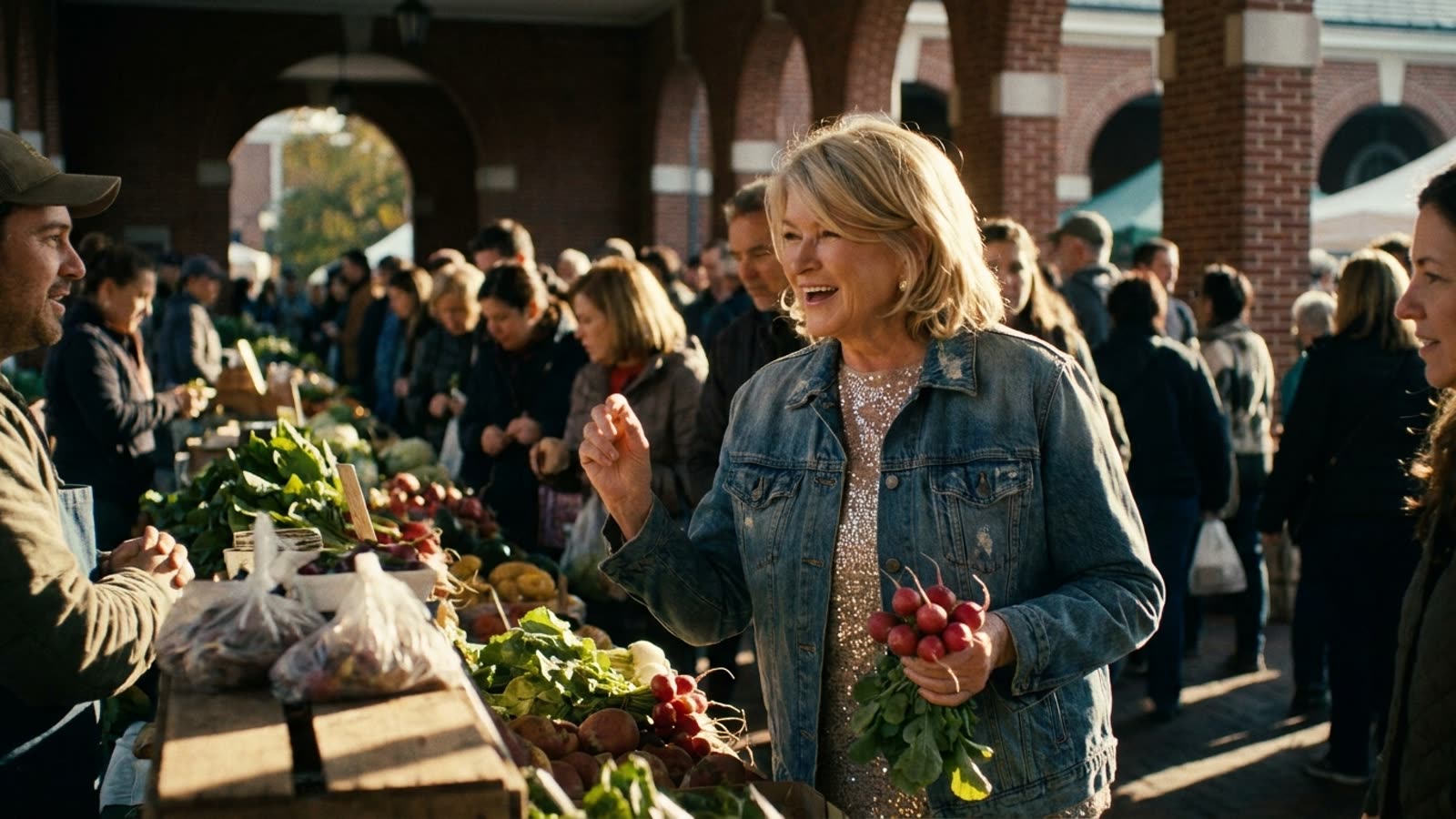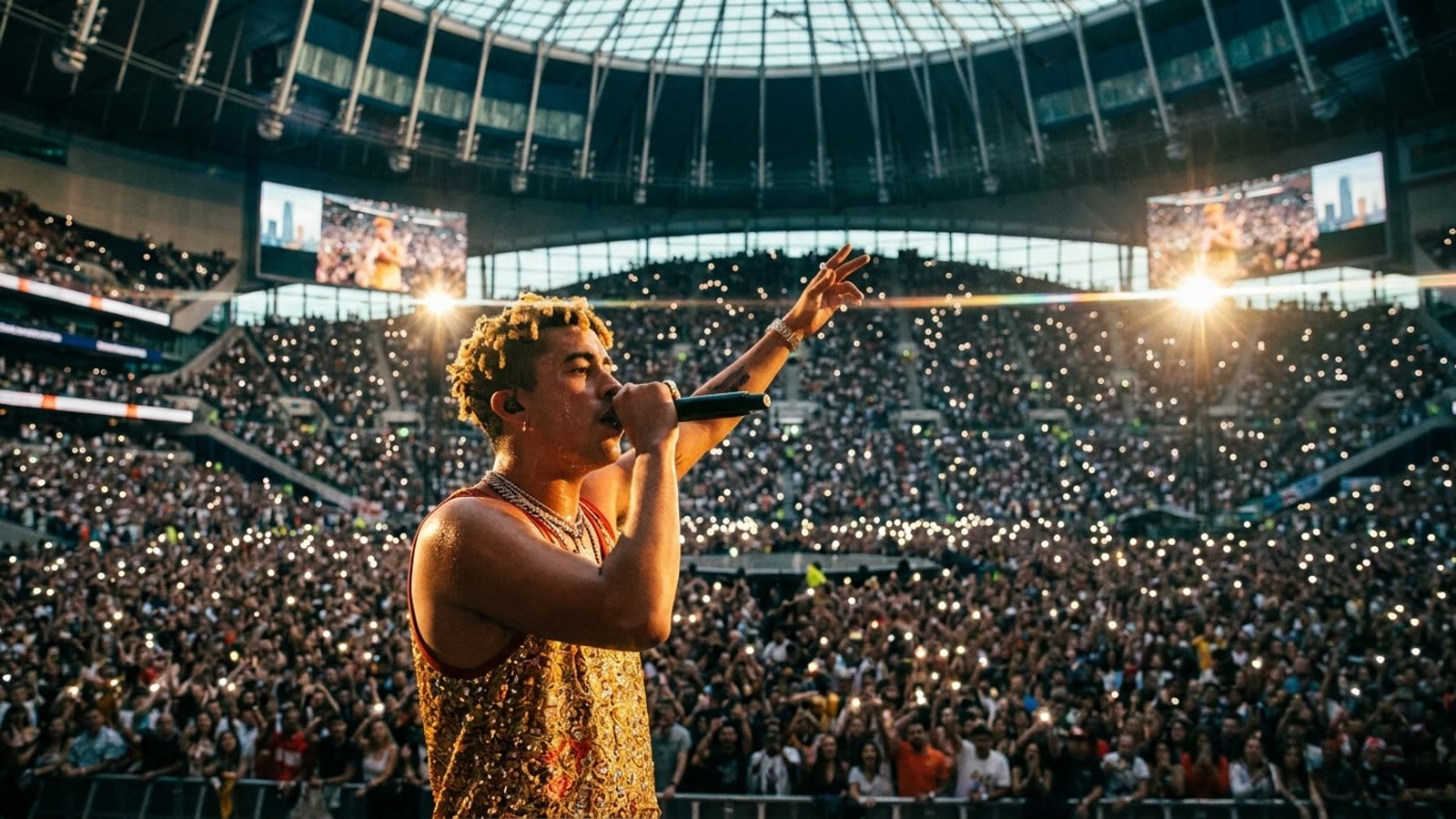
When Adele—a woman who could fill any stadium on Earth with a single Instagram post—shows up as a fan at someone else's concert, it tells you something about where the cultural center of gravity has shifted. Bad Bunny's current European stadium run has become the summer's most telling spectacle, not because of pyrotechnics or production values, but because of who's in the crowd.
The Puerto Rican artist, born Benito Antonio Martínez Ocasio, has spent the past several years doing something that seemed structurally impossible a decade ago: making Spanish-language music the default rather than the exception in global pop. His London dates aren't a crossover attempt. They're a victory lap.
The Economics of Cultural Shift
Bad Bunny's touring numbers tell a story that streaming metrics only hint at. His 2022 world tour grossed over $430 million, making it the highest-grossing tour by a Latin artist in history. The current run suggests those figures will be surpassed. What's changed isn't just scale—it's geography. European stadium shows for reggaetón acts were novelties five years ago. Now they're routine.
The music industry spent decades treating Latin pop as a regional specialty, something to be occasionally sampled by English-language artists seeking exotic flavor. Bad Bunny inverted that formula. He doesn't feature on other people's tracks to gain legitimacy; other artists feature on his to gain relevance.
Why the Celebrity Audience Matters
Adele's presence at the London show—reportedly dancing through the entire set—functions as more than tabloid fodder. It's a signal of peer recognition that operates differently than chart positions or streaming numbers. When artists of her stature attend as civilians, paying the social cost of being photographed as fans rather than performers, they're acknowledging a hierarchy.
This dynamic has played out before. The Beatles went to see Little Richard. Bowie went to see Iggy Pop. The established order pays tribute to whatever's actually moving culture forward. Bad Bunny's London shows have attracted enough celebrity attendees to suggest that reggaetón has achieved what rock, hip-hop, and electronic music achieved before it: becoming the sound that serious people take seriously.
The Language Barrier That Wasn't
The conventional wisdom held that English was essential for global pop dominance. Bad Bunny never accepted the premise. His biggest tracks remain almost entirely in Spanish, with occasional English phrases deployed as seasoning rather than accommodation. The audience learned to meet him where he was.
This matters beyond music. It suggests that the Anglophone assumption—that the world will always come to English—may be weakening in ways that extend beyond Spotify playlists. When tens of thousands of Europeans pay premium prices to sing along in a language most of them don't speak fluently, something has shifted in the cultural operating system.
Our take
Bad Bunny's European triumph isn't really about Bad Bunny. It's about the quiet collapse of gatekeeping structures that once determined which sounds could travel and which couldn't. The fact that Adele—arguably the most successful vocalist of her generation—showed up as a fan rather than a collaborator tells you everything about where power now resides. Latin pop didn't ask permission to become global. It just did the work until the world had no choice but to notice.