The factory floor of the world is learning to work around artillery fire, and the invoices are starting to arrive.
Across East and Southeast Asia, manufacturers are confronting a supply shock that has been building for months but is now acute enough to show up in quarterly guidance and container rates. The proximate causes are familiar—Red Sea shipping diversions, insurance premiums that have tripled for certain routes, and the knock-on effects of conflicts that show no sign of resolution. The deeper issue is structural: the lean, just-in-time networks that made Asian manufacturing so efficient were never designed for a world where multiple regional conflicts simmer simultaneously.
The geography of disruption
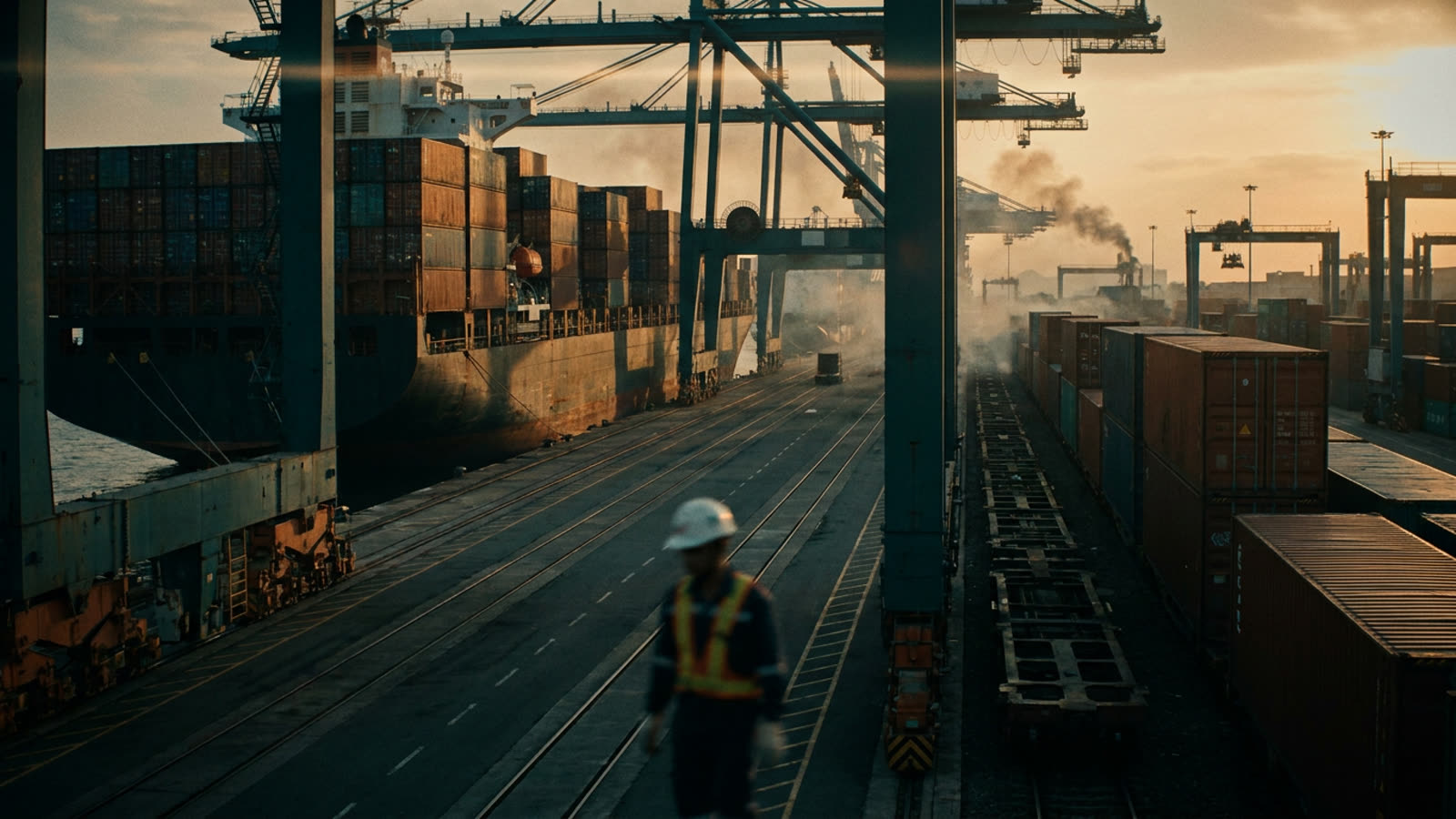
Taiwan's electronics assemblers, Vietnam's textile exporters, and South Korea's semiconductor fabricators are all reporting elongated lead times and rising input costs. Shipping from Asian ports to European destinations now routinely adds two to three weeks compared with pre-2024 norms, as vessels avoid the Suez corridor. For time-sensitive components—automotive chips, pharmaceutical intermediates, fresh produce—the delay is often unacceptable, prompting expensive air-freight substitutions.
Meanwhile, insurers have quietly reclassified several maritime corridors, pushing war-risk premiums to levels not seen since the Gulf tanker wars of the 1980s. Manufacturers who once absorbed such costs as rounding errors now find them material enough to renegotiate contracts or pass through to buyers.
Corporate responses: hedge, hoard, relocate
The playbook varies by sector. Consumer-electronics giants are accelerating inventory builds, betting that warehousing costs beat the alternative of production stoppages. Automotive suppliers are dual-sourcing critical components from geographically separated plants, a strategy that adds redundancy but also overhead. Some mid-sized firms are simply relocating final-assembly steps closer to end markets—Mexico for North America, Turkey for Europe—accepting higher labour costs in exchange for shorter, more predictable logistics.
None of these adaptations come free. Analysts at several investment banks have begun marking up inflation forecasts for durable goods in the second half of 2026, anticipating that the supply-chain premiums embedded in Asian manufacturing will filter through to retail shelves by autumn.
Our take
For a decade, globalisation's critics warned that hyper-efficient supply chains were also hyper-fragile. They were right, but the lesson is being learned in instalments rather than a single catastrophic break. The current disruption is not a crisis in the 2020-pandemic sense; it is a chronic condition that will quietly erode margins, nudge prices upward, and reward companies with the balance sheets to invest in resilience. Consumers will pay more for electronics and apparel this holiday season, and most will never know that the markup originated in a shipping lane thousands of miles away.