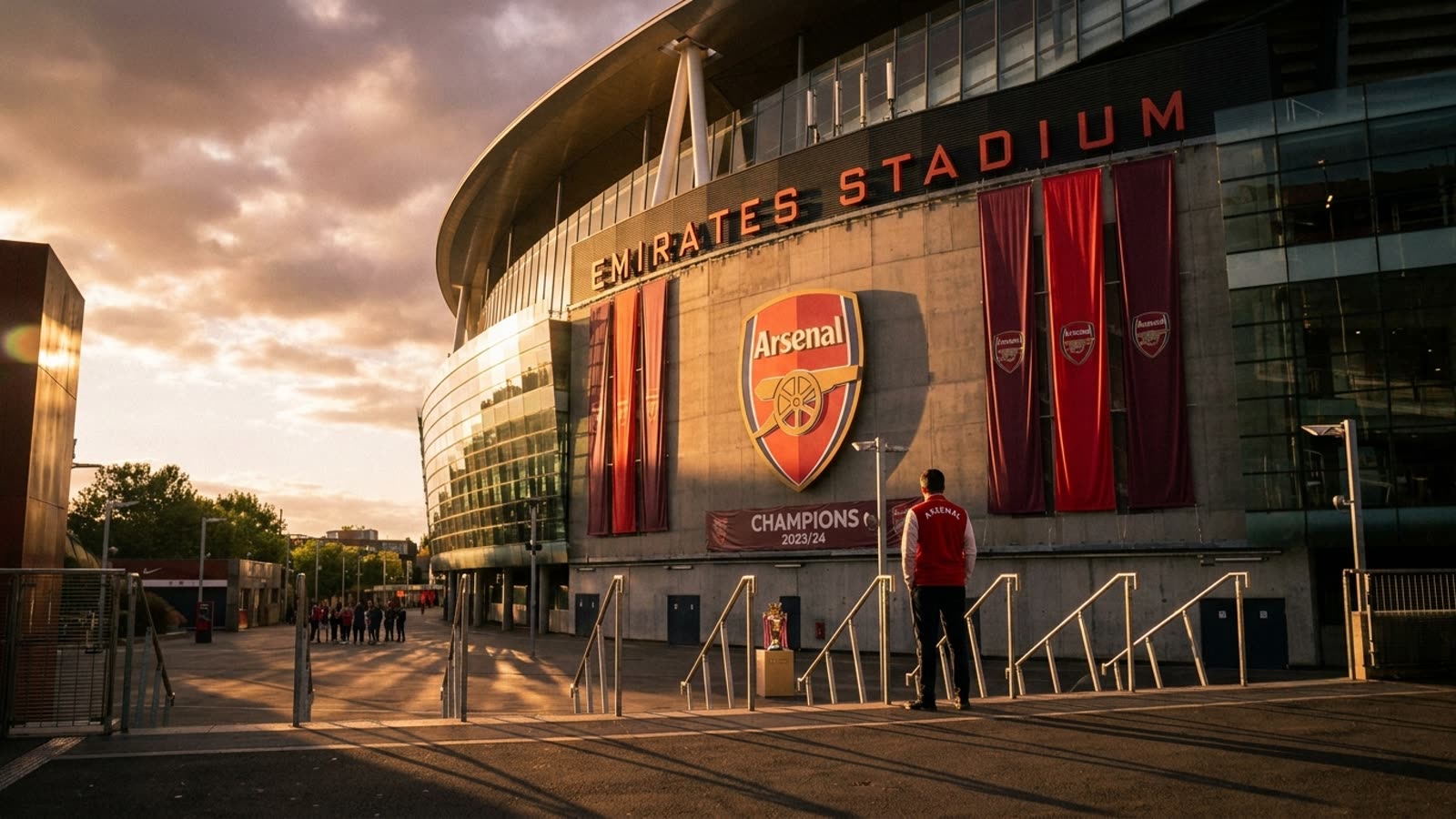
The arithmetic was simple, the wait was not. When Manchester City drew on Sunday, Arsenal clinched the Premier League title without kicking a ball in their final match—a coronation by mathematics that belied the two-decade emotional odyssey behind it.
The last time Arsenal lifted this trophy, Thierry Henry was in his pomp, Arsène Wenger was redefining English football's tactical vocabulary, and the club had just completed an unbeaten league season that earned them the nickname "The Invincibles." That was 2004. In the intervening years, Arsenal watched Chelsea's oligarch-funded ascent, Manchester City's sovereign-wealth transformation, and Liverpool's Klopp-era renaissance. They finished fourth so often it became a punchline.
The Arteta project reaches its destination
Mikel Arteta's rebuild has been methodical to the point of tedium for those demanding instant gratification. The former City assistant inherited a squad bloated with expensive underperformers and a fanbase whose patience had curdled into cynicism. His response was to strip the roster to its studs: out went the mercenaries and the malcontents, in came young players willing to be coached within an inch of their lives.
The results were not immediate. Arsenal finished eighth in Arteta's first full season, a nadir that would have cost most managers their jobs. But the Kroenke ownership, for all the criticism they absorb, backed their man. The signings that followed—Ødegaard, Saliba, Rice—were not galáctico splashes but pieces fitted into a specific tactical puzzle. This season, that puzzle finally produced a complete picture: the best defensive record in the league, a midfield that could control matches against anyone, and enough goals to punish the chances their structure created.
What City's stumble reveals
Manchester City's failure to win a fifth consecutive title is not merely an Arsenal story—it is a City story too. Pep Guardiola's squad, still laden with generational talent, has shown the first cracks of institutional fatigue. The ongoing financial fair play investigation hangs over the club like a legal sword of Damocles, and the departures of key figures have disrupted the machine's rhythm. City remain formidable, but they are no longer inevitable.
For the Premier League's competitive balance, this is welcome news. A two-horse race is more compelling than a procession, and Arsenal's emergence as genuine rivals—not plucky challengers who fade in spring—restores drama the competition had been missing.
Our take
Twenty-two years is long enough to turn children into adults, to watch entire playing careers begin and end, to wonder if the glory days were a fluke rather than a foundation. Arsenal's title is validation for Arteta's process and vindication for supporters who kept faith through the banter years. It also serves as a reminder that football's financial hierarchies, while powerful, are not permanent. City's dominance felt like a law of nature; Arsenal just proved it was merely a trend.