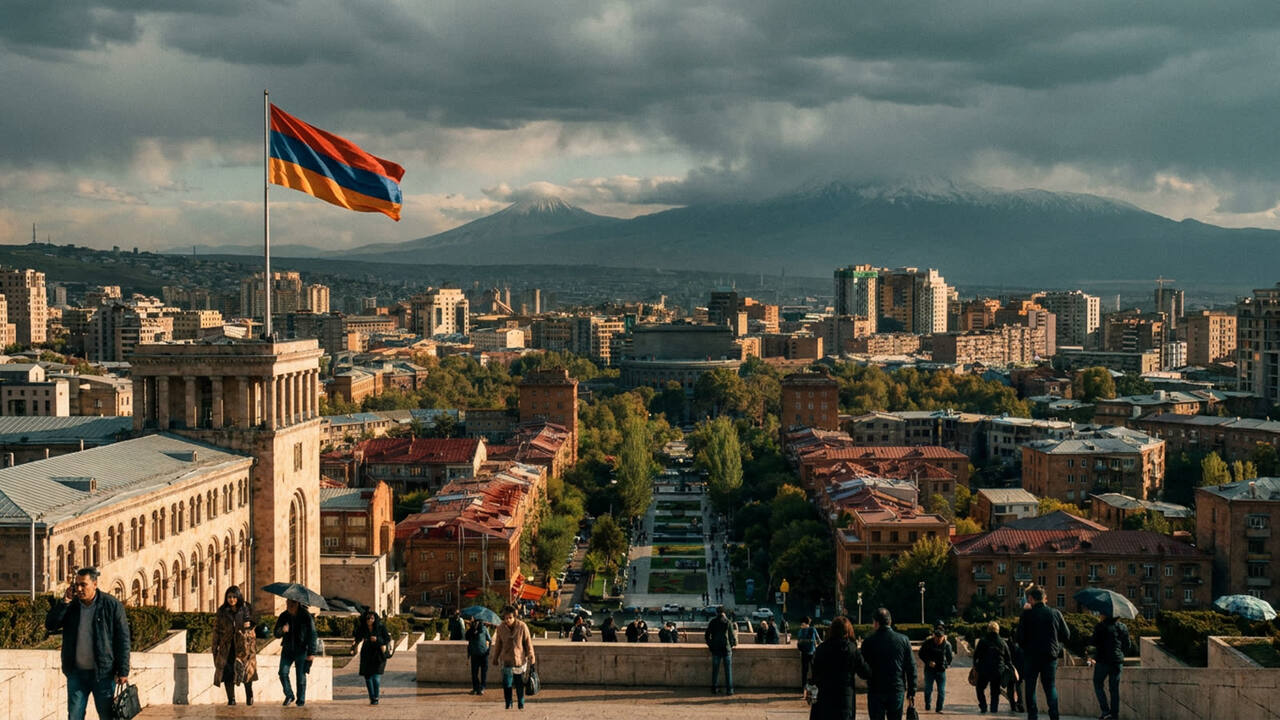
Armenia goes to the polls Sunday facing the kind of geopolitical squeeze that breaks smaller nations: a peace deal with Azerbaijan that has cost it territory and pride, and a deliberate estrangement from Russia that has cost it its traditional security guarantor. Prime Minister Nikol Pashinyan is betting voters will reward him for choosing sovereignty over comfort. The outcome will signal whether post-Soviet states can actually escape Moscow's orbit, or whether the gravitational pull is simply too strong.
The election arrives at a peculiar moment. Pashinyan's government has spent the past two years methodically dismantling Armenia's dependence on Russia—freezing participation in the Collective Security Treaty Organization, courting EU association, and accepting Western mediation in peace talks with Baku. The strategy has logic: Russia failed to prevent Azerbaijan's 2023 military operation that emptied Nagorno-Karabakh of its Armenian population, exposing the hollowness of Moscow's security promises. Why remain tethered to a protector that does not protect?
The peace paradox
Yet the peace process itself presents Pashinyan with an impossible political equation. Any final settlement with Azerbaijan requires formally recognizing the loss of Karabakh—a territory Armenians consider civilizationally sacred. His nationalist opponents, including former president Robert Kocharyan, have hammered this point relentlessly, framing the election as a referendum on capitulation. The counterargument—that a signed peace unlocks Western investment, EU integration, and genuine security—requires voters to accept deferred gratification over historical grievance. That is a hard sell in any democracy; it is an especially hard sell in one where the wounds are still fresh.
Moscow's long game
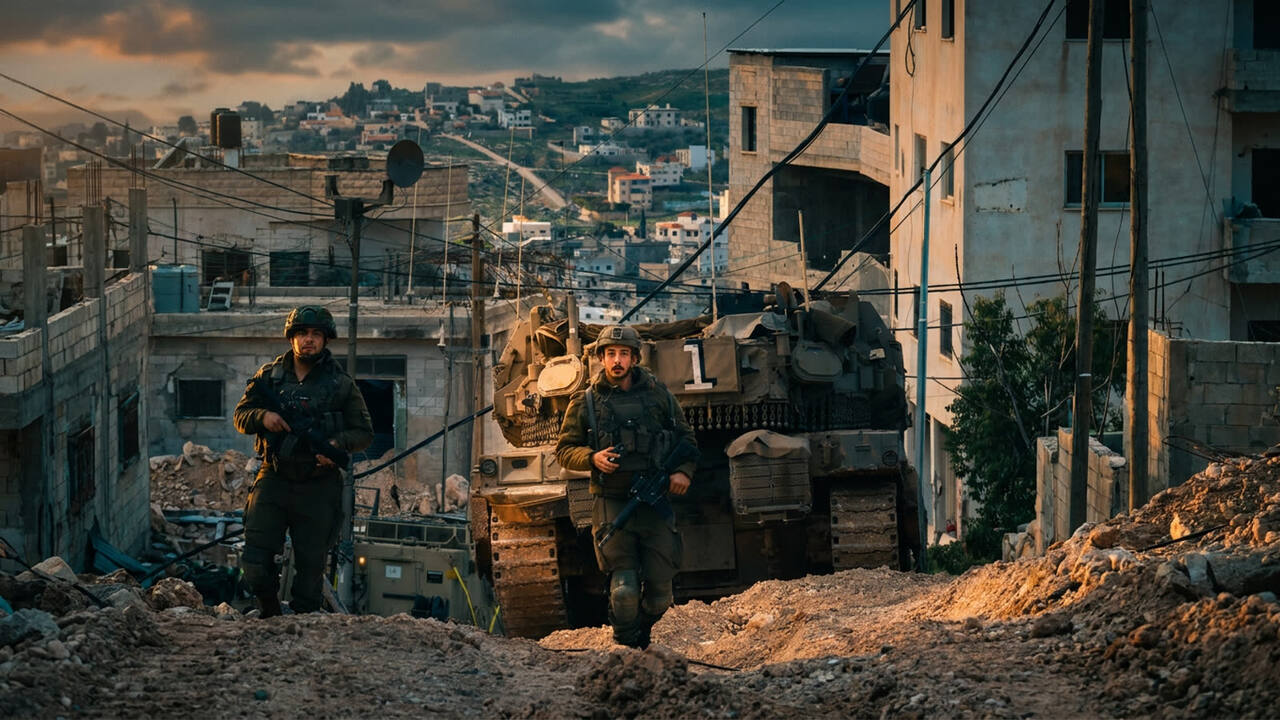
Russia, for its part, has been uncharacteristically restrained. There are no obvious Kremlin-backed candidates, no crude interference operations of the sort deployed in Moldova or Georgia. This may reflect distraction—the war in Ukraine consumes bandwidth—but it may also reflect calculation. A Pashinyan victory that delivers a flawed peace could generate its own backlash, pulling Armenia back toward Moscow without the Kremlin lifting a finger. Russia's 102nd military base remains in Gyumri; its peacekeepers, though diminished, still patrol what remains of Armenian-Azerbaijani contact lines. The infrastructure of dependence has not been dismantled, merely paused.
What the West gets wrong
Western observers tend to frame Armenia's choice as binary: Europe or Russia, democracy or autocracy. The reality is messier. Pashinyan is a democrat by regional standards, but his government has grown increasingly intolerant of criticism, and the peace he is pursuing requires painful concessions that no amount of EU funding will fully salve. The West's leverage is also limited—Brussels can offer association agreements and visa liberalization, but it cannot offer security guarantees, and Washington's attention is elsewhere. Armenia's pivot is real, but it is also precarious.
Our take
Pashinyan will likely win, because the alternatives are worse and voters know it. But winning is not the same as succeeding. Armenia's experiment in post-Russian sovereignty will be decided not at the ballot box but in the grinding negotiations that follow—over borders, over enclaves, over the status of roads and pipelines. The West should pay attention, not because Armenia is strategically vital, but because it is a test case. If a small, landlocked, historically traumatized nation can chart an independent course, the post-Soviet order is more malleable than Moscow believes. If it cannot, the lesson will not be lost on Tbilisi, Chișinău, or Astana.