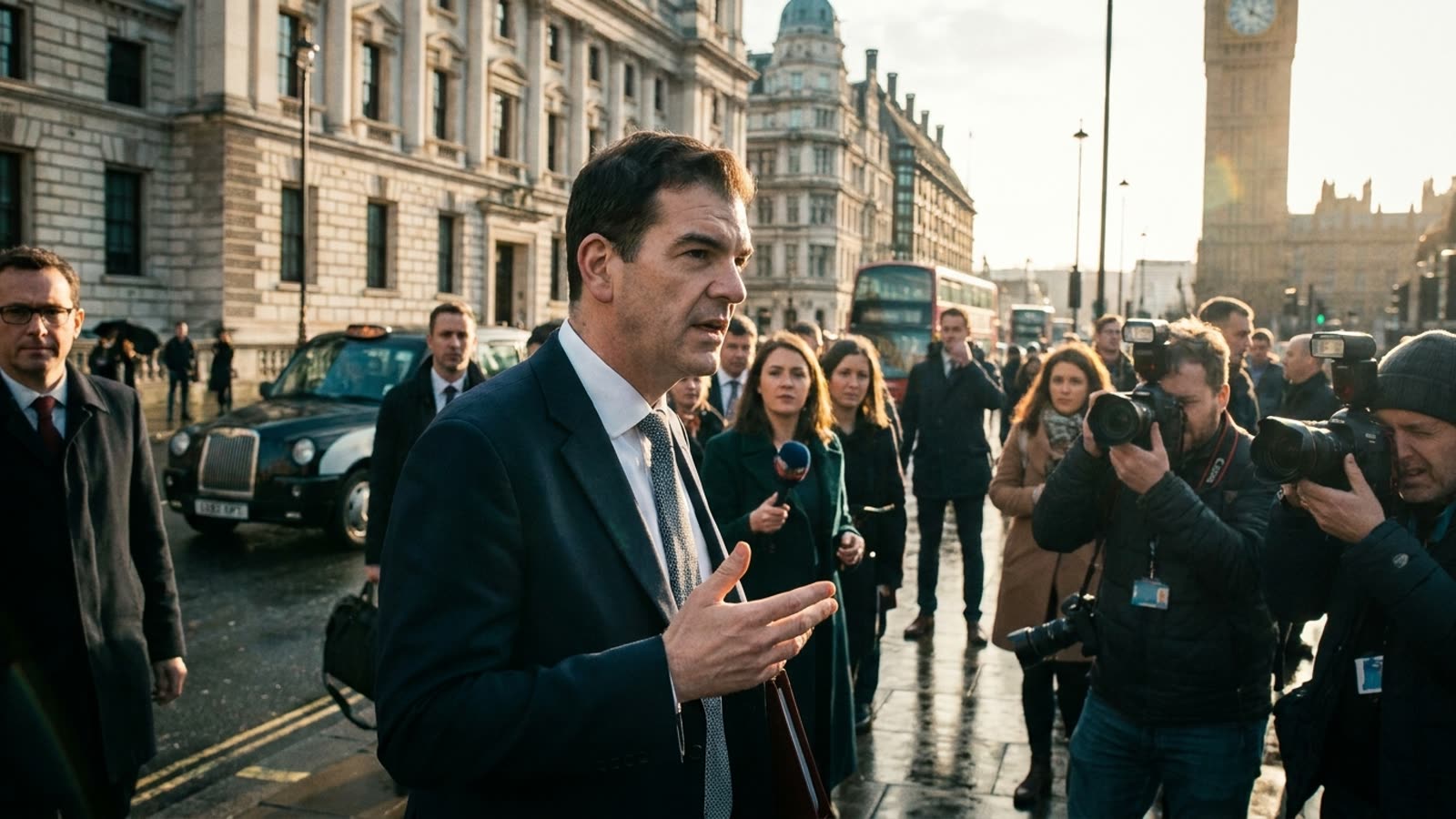
The Justice Department walked into the D.C. Circuit on Friday armed with a maximalist argument: the Presidential Records Act, which has governed White House documentation since Watergate's aftermath, is unconstitutional when applied to a sitting president. The three-judge panel was not buying it.
At issue is whether Donald Trump can treat official records generated during his administration as personal property, exempt from the 1978 law requiring presidents to preserve and eventually transfer their papers to the National Archives. The administration's position—that Congress cannot constitutionally dictate how a president manages his own records—would effectively gut a statute that has operated without serious legal challenge for nearly half a century.
The hearing room temperature
Judges appointed by presidents of both parties pressed government lawyers on the logical endpoints of their theory. If the PRA is unconstitutional, what stops a president from shredding every document on his last day in office? The Justice Department's answers were notably circular: executive discretion, they suggested, would provide its own guardrails. The panel appeared unconvinced that "trust us" constitutes a limiting principle.
The case arrives at an awkward moment for the administration. Trump faces ongoing scrutiny over classified materials retained at Mar-a-Lago after his first term, and his current White House has been notably opaque about internal communications. A ruling in his favor would create a precedent that extends far beyond this president—immunizing future executives from any congressional oversight of their documentary trail.
Why the founders matter less than you'd think
The administration's brief leans heavily on Article II's vesting of executive power in the president alone. But the PRA was drafted precisely because the Nixon tapes dispute revealed a gap in constitutional architecture. Congress acted, presidents complied, and the republic endured. The government's current argument treats that forty-eight-year consensus as a constitutional error waiting to be corrected.
Legal scholars note that the Supreme Court has repeatedly upheld congressional power to structure executive branch operations—from the independent counsel statute to inspector general mandates. The records act sits comfortably within that tradition. Calling it unconstitutional requires a theory of presidential autonomy that even this conservative judiciary has not embraced.
Our take
The appeals court's skepticism is warranted. Presidential records are not presidential property; they belong to the public that paid for their creation. The administration is asking judges to bless a doctrine that would let any future president—of any party—operate in permanent documentary darkness. That some judges seemed reluctant to hand over that power is not partisanship. It is institutional self-preservation.