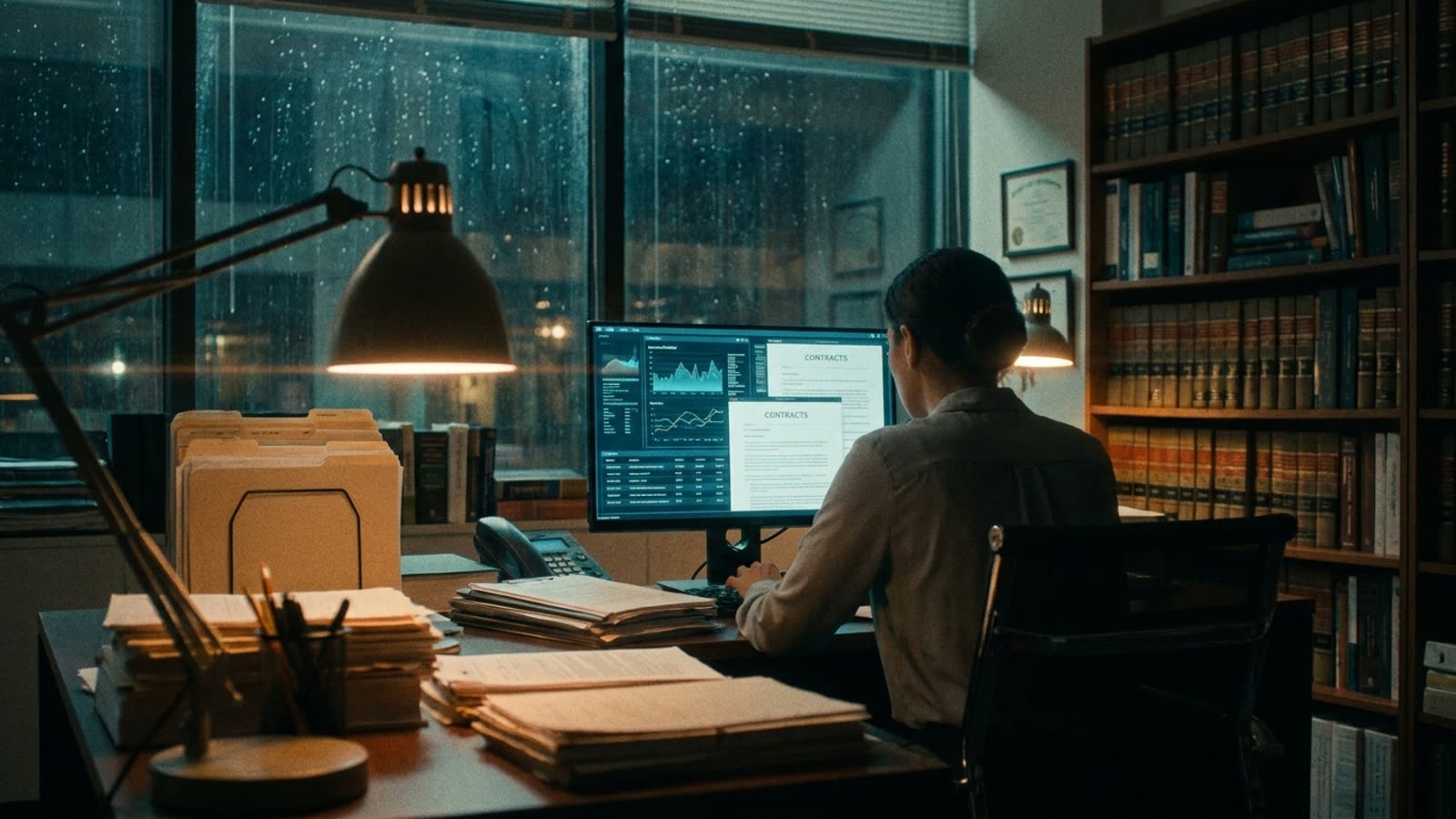
For centuries, the insurance underwriter has occupied a peculiar position in the economy: part mathematician, part psychologist, part fortune-teller. They are the people who look at a shipping manifest, a medical history, or a factory floor plan and decide what price to put on uncertainty. It is a profession that helped build Lloyd's of London, financed the age of exploration, and quietly underwrites nearly every significant human endeavor. Now it is being hollowed out from the inside.
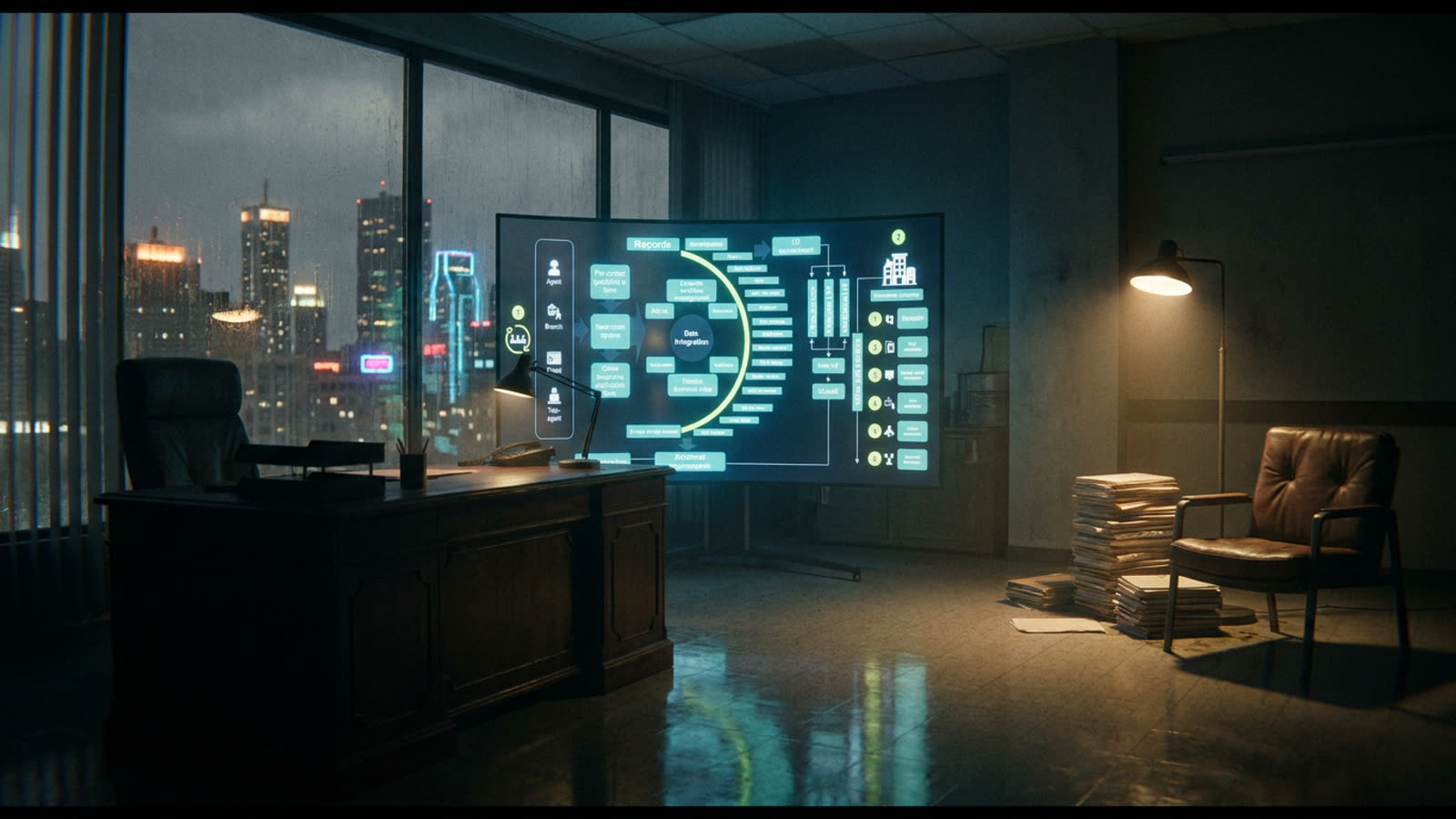
The transformation is not dramatic. There have been no mass layoffs announced, no picket lines outside insurance towers. Instead, the change is granular and relentless. Tasks that once required years of apprenticeship—assessing flood risk for a coastal property, pricing a life policy for someone with a complex medical history, evaluating the liability exposure of a small manufacturer—are increasingly performed by models that can process thousands of variables in milliseconds.
The arithmetic of displacement
The economics are brutally simple. A senior commercial underwriter at a major insurer might handle perhaps a few hundred policies per year, each requiring hours of analysis, document review, and judgment calls. An AI system trained on decades of claims data can evaluate the same volume in an afternoon. The human is not necessarily worse at the job—in many cases, experienced underwriters still outperform algorithms on unusual or complex risks—but they are dramatically more expensive.
What makes underwriting particularly vulnerable is that it sits at the intersection of pattern recognition and documentation, precisely the tasks where current AI excels. The profession's core activity—reading information, comparing it to historical outcomes, and assigning a probability—maps almost perfectly onto what large language models and their specialized cousins were built to do.
The judgment question
Yet the profession's defenders raise a point worth considering. Underwriting has never been purely mechanical. The best practitioners develop an intuition for risks that do not fit neatly into actuarial tables: the business owner whose body language suggests undisclosed problems, the property that looks fine on paper but sits in a neighborhood showing early signs of decline. These judgments are often described as "gut feel," but they represent a form of tacit knowledge accumulated over careers.
Whether AI can replicate this remains genuinely uncertain. Models excel at finding patterns in historical data, but insurance is fundamentally about pricing events that have not happened yet. The underwriter who remembers how a particular industry behaved during a crisis thirty years ago brings something that no training dataset fully captures. The question is whether that something is worth the premium.
Our take
Insurance underwriting offers a useful case study for what AI disruption actually looks like in practice: not sudden extinction but gradual compression. The profession will not disappear, but it will shrink dramatically, with the remaining practitioners handling only the most complex and ambiguous cases. This is probably efficient. It is also a preview of what awaits dozens of other white-collar occupations built on pattern recognition and documentation. The underwriters are simply first through the door.