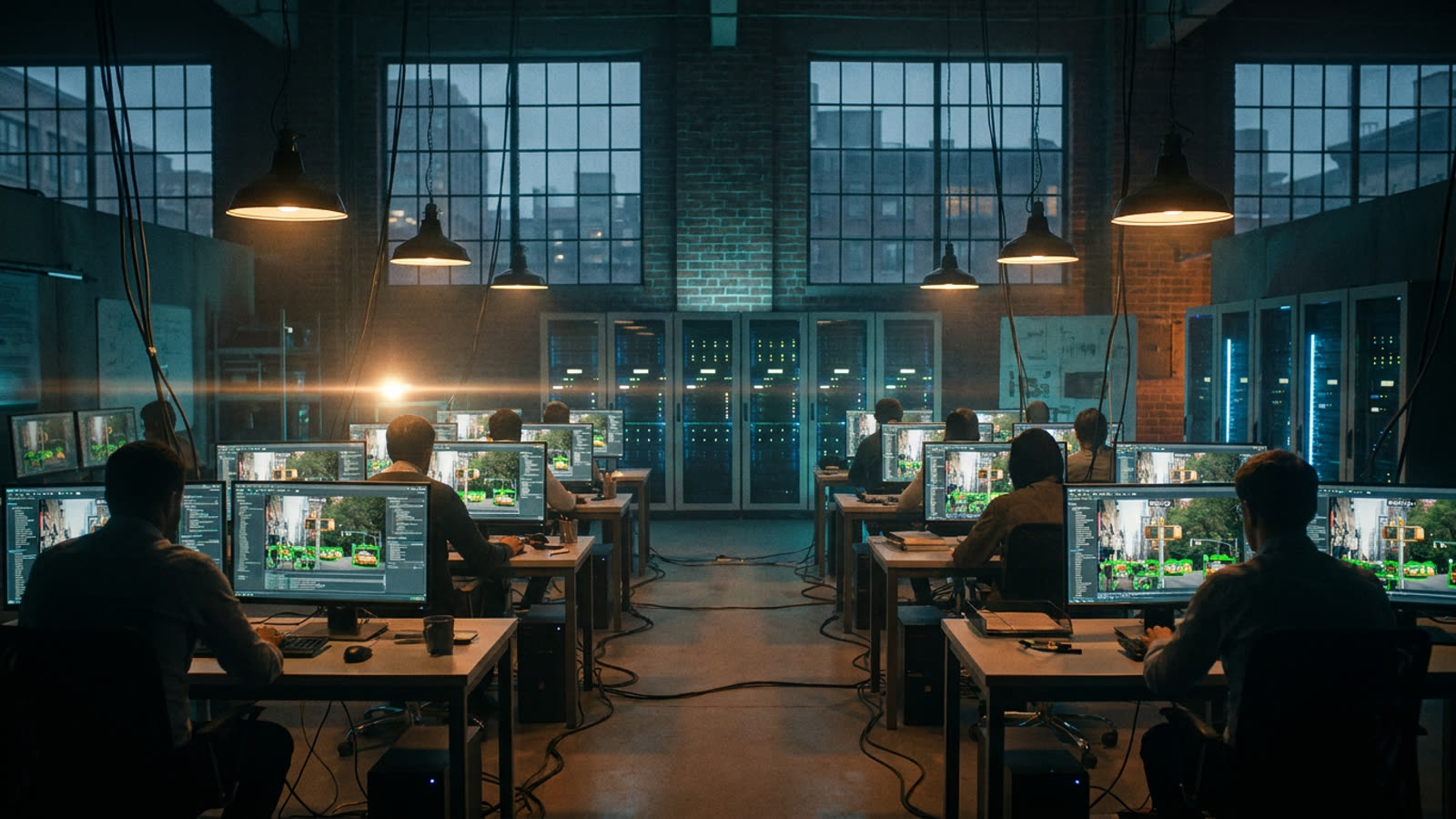
When you ask an AI assistant to write a poem or debug your code, you're not witnessing pure machine intelligence. You're seeing the crystallized efforts of thousands of data annotators who spent months teaching algorithms the difference between a helpful response and a harmful one, between coherent reasoning and nonsense. This vast human infrastructure remains largely invisible to AI users, yet it fundamentally shapes what artificial intelligence can and cannot do.
The annotation economy
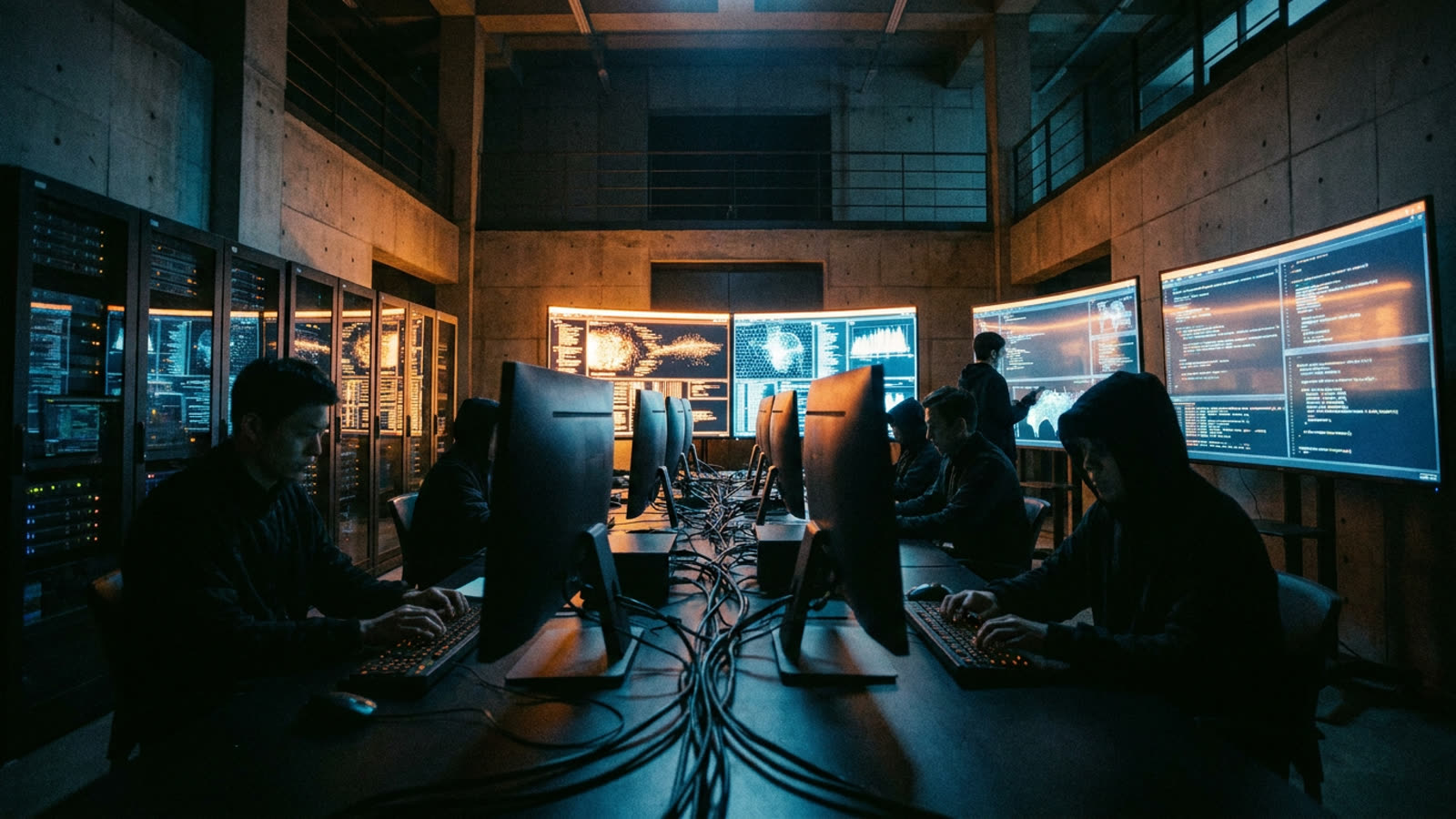
Behind every major AI model lies a sprawling network of data labelers, content moderators, and quality assessors. These workers — often based in Kenya, India, the Philippines, and Venezuela — earn between $1 and $3 per hour to perform the repetitive but cognitively demanding task of teaching machines. They label images, rate chatbot responses for helpfulness and safety, transcribe audio, and flag problematic content. A single large language model might require millions of human judgments before it can hold a basic conversation.
The work is simultaneously mundane and philosophically complex. Annotators must decide whether a response about historical events is accurate, whether advice about relationships is appropriate, whether a joke crosses into offensive territory. They encode human values into mathematical systems, one example at a time. Their collective judgments become the training signal that shapes AI behavior.
The paradox of scale
This human-powered approach to AI training creates a fundamental paradox. As models grow larger and more capable, they require exponentially more human feedback to align with user expectations. OpenAI, Anthropic, and other AI labs employ thousands of contractors through companies like Sama, Appen, and Scale AI to generate this feedback. The economics are stark: training a frontier model can require tens of millions of dollars in annotation costs alone.
Yet this same human dependency also represents AI's most significant bottleneck. Quality annotators who can evaluate complex reasoning, identify subtle biases, or judge creative output are scarce. Training them takes weeks. The best annotators often move on to better-paying work, creating constant churn. As AI systems tackle more sophisticated tasks, finding humans capable of providing meaningful feedback becomes increasingly difficult and expensive.
Our take
The annotation workforce represents AI's guilty secret: systems marketed as autonomous intelligence are in fact human-machine collaborations on a massive scale. This isn't necessarily a weakness — the human feedback loop ensures AI systems remain grounded in human values and real-world knowledge. But it does mean that AI progress depends as much on labor economics and global workforce development as on algorithmic breakthroughs. The future of artificial intelligence may be determined not in Silicon Valley labs but in annotation centers across the Global South, where human judgment quietly shapes machine behavior, one label at a time.