Commercial real estate appraisal has always been part science, part art, and part educated guess. A trained professional walks through a building, studies comparable sales, reviews lease rolls, and ultimately renders a judgment about what a property is worth. That judgment underpins mortgages, insurance policies, tax assessments, and investment decisions involving trillions of dollars globally. Now, quietly and without much fanfare, artificial intelligence is inserting itself into this process in ways that will reshape the profession entirely.
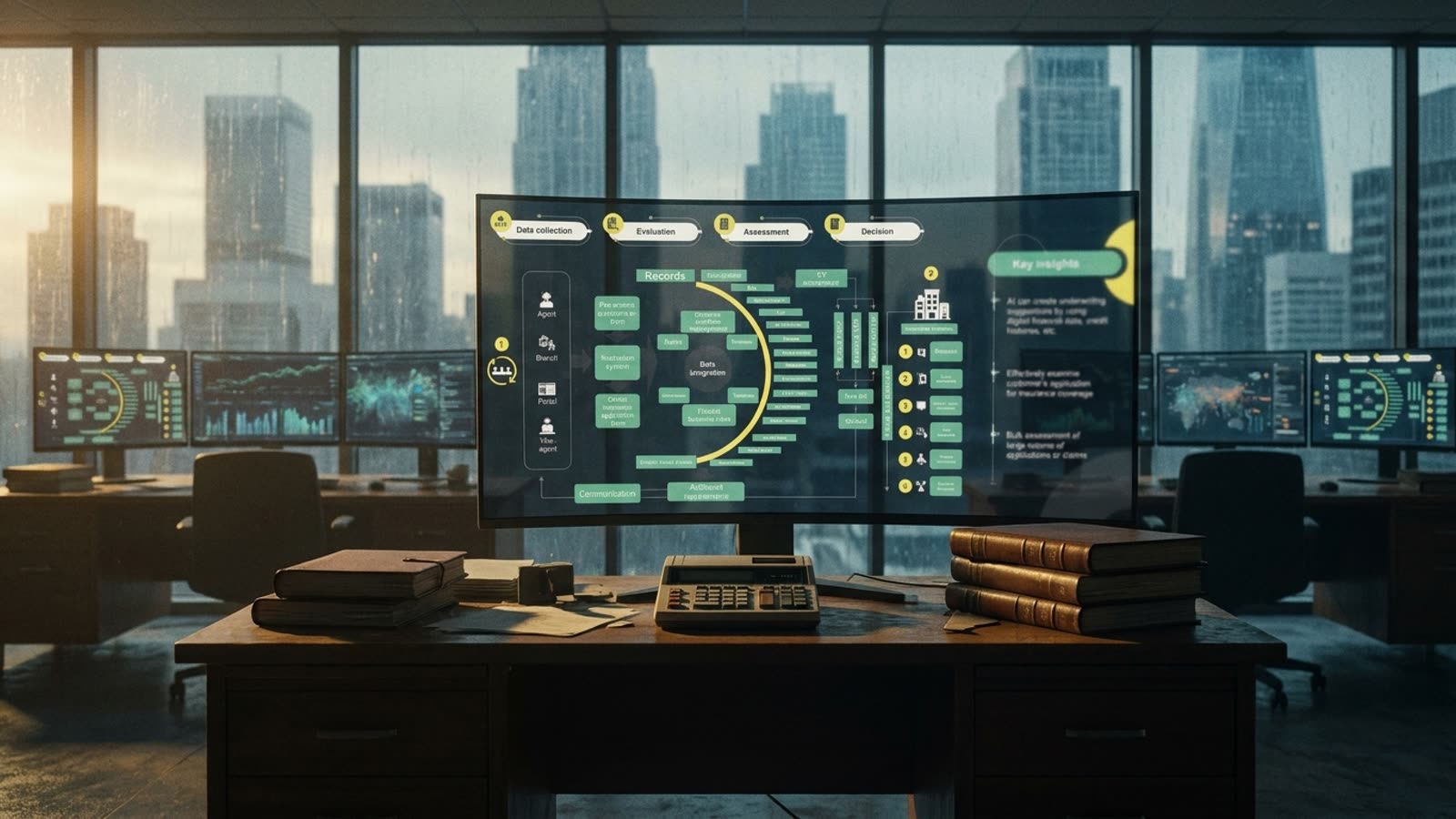
The transformation is not about robots replacing appraisers wholesale. It is subtler and, in some ways, more profound. Machine learning models can now ingest satellite imagery, foot traffic data, demographic shifts, and transaction histories to generate preliminary valuations in minutes rather than weeks. What once required site visits and manual comparable analysis can increasingly be approximated from a laptop.
The data advantage
The core insight driving this shift is that commercial real estate generates enormous quantities of data that humans struggle to process holistically. A single office building produces information about energy consumption, elevator usage, tenant turnover, parking utilization, and maintenance requests. Multiply that across a portfolio of hundreds of properties, and no human team can identify all the patterns that might signal rising or declining value.
AI systems excel at precisely this kind of pattern recognition. They can correlate seemingly unrelated variables—the opening of a new transit station, changes in nearby retail vacancy rates, shifts in local employment composition—and weight them against historical outcomes. The result is not a replacement for human judgment but a dramatically enhanced starting point.
What stays human
The appraisers who have embraced these tools describe a professional identity in transition. The tedious work of pulling comparable sales and calculating cap rates is increasingly automated. What remains is the interpretive layer: understanding why a particular tenant mix creates value, recognizing when a neighborhood is about to tip, sensing the intangibles that data cannot capture.
This is the pattern across many professions encountering AI. The mechanical tasks get absorbed; the judgment-intensive work gets elevated. Appraisers who once spent days on spreadsheets now spend that time on client relationships and market intelligence that algorithms cannot replicate.
The regulatory landscape is still catching up. Professional standards bodies are grappling with how to certify AI-assisted valuations and where human accountability must remain. Lenders and insurers, meanwhile, are quietly building their own models, sometimes creating tensions with independent appraisers whose conclusions differ from algorithmic outputs.
Our take
Commercial real estate appraisal is a useful lens for understanding AI's actual impact on white-collar work. The technology is not eliminating professionals so much as redefining what they do. The appraisers who thrive will be those who learn to collaborate with algorithms rather than compete against them—using machine-generated baselines as launching points for deeper analysis. The ones who resist will find their purely manual work increasingly difficult to justify at traditional fee levels. This is neither utopia nor apocalypse. It is simply the next chapter in a profession that has always evolved with its tools.