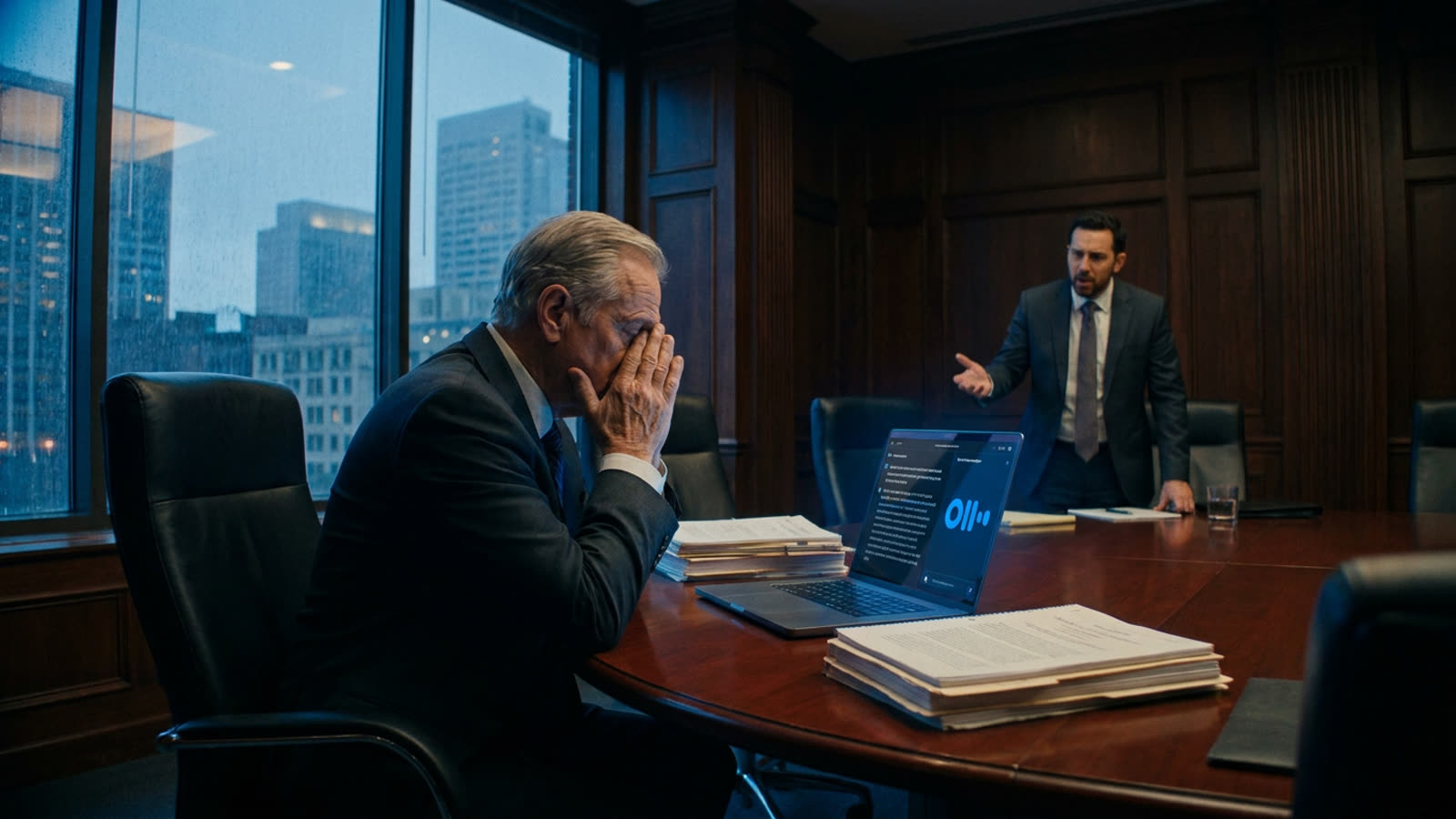
The meeting ends, the AI summarizes it in seconds, and everyone moves on with their day feeling efficient. What nobody mentions is that the offhand joke about the pending lawsuit, the half-formed legal strategy, the candid aside to outside counsel—all of it now lives on a third-party server, potentially accessible to opposing counsel in ways that would make any general counsel reach for the antacids.
This is the quiet crisis brewing in corporate America's embrace of AI transcription tools. Products from Otter.ai, Fireflies, Microsoft Copilot, and a dozen hungry startups have colonized the modern workplace with remarkable speed. They promise liberation from note-taking, searchable archives of every conversation, and the kind of institutional memory that used to require a dedicated assistant. What they deliver alongside those benefits is a legal minefield that most users have never considered.
The privilege problem
Attorney-client privilege, that bedrock protection allowing companies to speak candidly with their lawyers, depends on confidentiality. Share the conversation with a third party, and the privilege can evaporate. When an AI tool records a call with outside counsel and stores that transcript on external servers, the legal question becomes genuinely thorny: has the client just waived privilege by allowing a third party to access the communication?
The answer, as with most legal questions, is "it depends"—but the direction of recent case law should concern anyone who has clicked "record" without thinking twice. Courts have increasingly scrutinized whether cloud storage and AI processing constitute the kind of third-party disclosure that destroys privilege. The safest assumption is that anything your AI note-taker captures could end up in an opposing lawyer's hands during litigation.
The metadata trail
Beyond privilege, there's the discovery problem. AI transcription tools create searchable, timestamped records of conversations that might otherwise have existed only in fallible human memory. In litigation, these records become discoverable. That brainstorming session where executives discussed the product defect? The sales call where someone made an unfortunate promise? The HR meeting with comments that sounded different in context? All of it now exists as text, tagged and indexed, waiting for a subpoena.
Corporate counsel are waking up to find their clients have been building detailed archives of their most sensitive conversations, often without any retention policy, legal review, or even basic awareness of what's being captured. The productivity gains suddenly look less impressive when weighed against the litigation exposure.
Our take
The AI note-taker gold rush represents a familiar pattern in enterprise technology: adoption outpaces governance, and legal catches up only after the damage is done. Companies that have enthusiastically deployed these tools across their organizations may find they've created a discovery nightmare that will take years to unwind. The smart move now is what should have happened from the start—legal review of AI transcription policies, clear guidelines on when recording is appropriate, and a hard look at whether the convenience is worth the risk. Some meetings, it turns out, are better left to human memory and its blessed capacity to forget.