Artificial intelligence is not replacing the dentist; it is hovering over the shoulder, drawing boxes on X‑rays and suggesting a crown where a watch‑and‑wait once sufficed. The clinical act is unchanged—hands, mirror, drill—but the informational terrain is different. When an algorithm highlights incipient caries, quantifies bone loss in pixels, or pre‑renders an aligner outcome, the center of gravity shifts from tactile intuition to software‑mediated evidence. Dentistry, long a craft with high variance, is getting a second opinion that never blinks—and sometimes sells harder than a human.
The chairside algorithm arrives
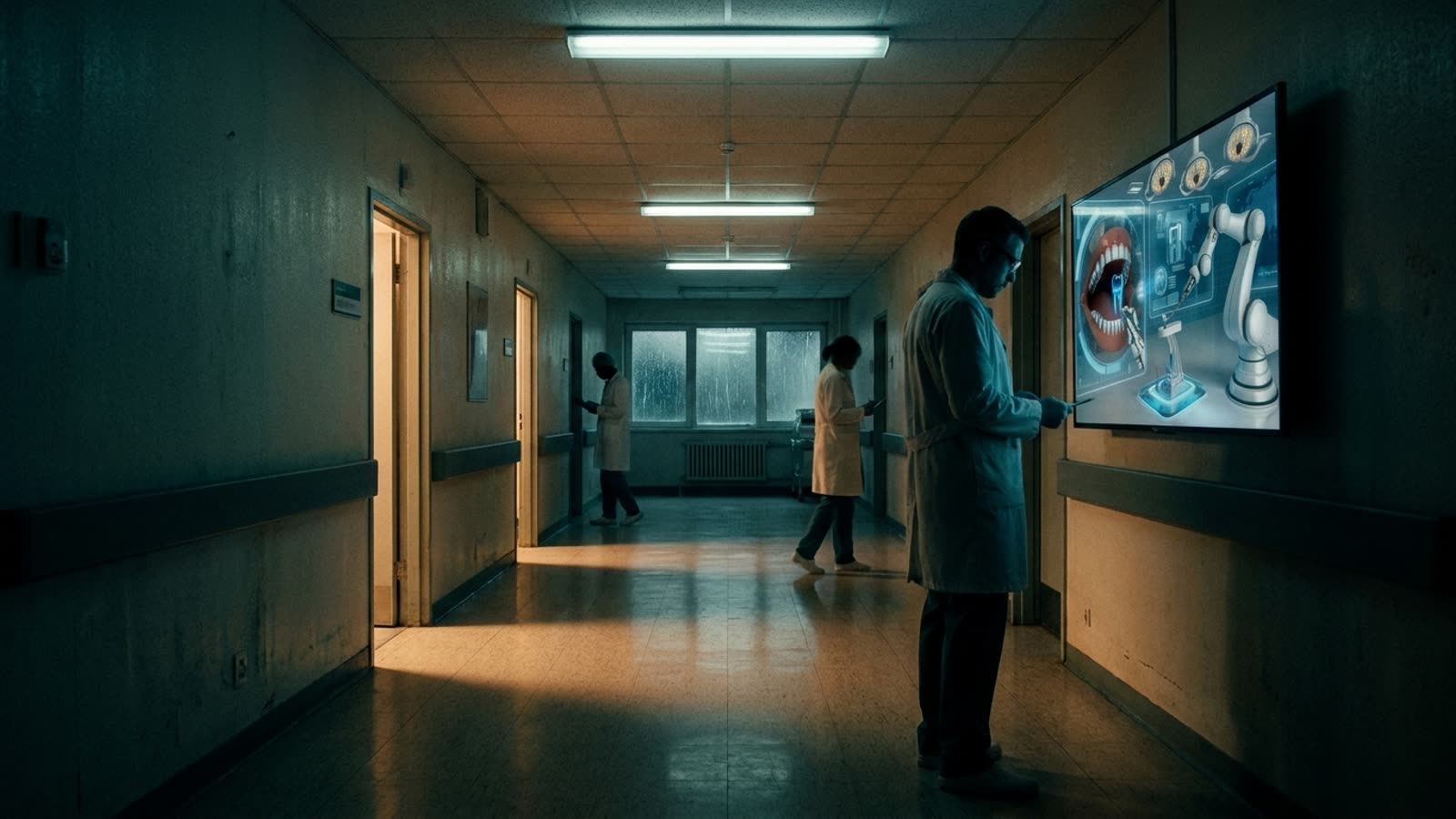
Most patients will meet dental AI first on a monitor. Bitewings annotated with colored overlays make the invisible legible: early enamel breakdown, proximal lesions, calculus shadows. Intraoral cameras now offer real‑time prompts while scanning; CAD/CAM suites suggest margin lines and occlusal schemes that used to demand a seasoned eye. Orthodontic planning tools simulate tooth movement and “post‑treatment” smiles before anyone seats a bracket. The promise is consistency and speed—fewer missed lesions, tighter fits, clearer expectations. The risk is a subtle nudge: software that frames the diagnosis can frame the treatment plan, too.
Who benefits—and who pays
Large dental service organizations adopt first because they can amortize subscriptions and workflow training. Solo practitioners do the math more cautiously: recurring software fees versus fewer remakes, smoother scheduling, and higher case acceptance from crisp visuals. Administratively, AI reads notes, proposes procedure codes, drafts narratives for claims, and flags denials for appeal—precisely the paperwork that drives clinicians mad. Insurers are not idle; similar tools audit radiographs and charting to challenge necessity. An arms race is underway, with pixels adjudicating dollars. On the labor side, hygienists gain voice‑charting and perio‑mapping assistance, freeing time for patient education, while front desks see bots handle reminders and eligibility checks. Productivity rises—if the team trusts the outputs and the malpractice carrier agrees.
Regulation, liability, and the new “standard of care”
Dental AI that interprets images is regulated in many jurisdictions as medical software, with clinical validation expected before use. Yet no clearance absolves the clinician: the dentist signs the chart and assumes responsibility. Bias lingers where training data were narrow—different sensors, exposure protocols, demographics. Lighting, angulation, and artifact can still fool any model. The more consequential ethical question is persuasion. Overlayed detections make problems feel certain; patients confronted with heat‑mapped bitewings say yes more often. That can mean timely care—or overtreatment if thresholds drift. Sensible safeguards are emerging: transparent confidence scores, preserved original images, audit logs of which tool suggested what, and a norm of showing patients both the raw and the annotated view.
What “evidence‑based” will mean next
As more clinics log outcomes—restoration longevity, endo retreat rates, aligner refinements—the feedback loops get sharper. The best systems won’t just detect; they’ll predict failure risk and suggest conservative alternatives when appropriate. That is the upside: a craft edged closer to science, with fewer redos and clearer prognoses. But data governance will decide whether the science serves patients or merely optimizes revenue cycles. Ownership of scans and charts, cross‑practice pooling, and insurer access are policy questions masquerading as IT choices.
Our take
AI will not make dentists obsolete; it will make dentistry legible to software. The winners will be practices that treat the model as an instrument—audited, documented, second‑guessed—rather than a sales overlay. Require provenance and confidence, keep the raw image in reach, and narrate uncertainty aloud. When the screen and the explorer disagree, the profession’s credibility rests on who explains the gap better, not who clicks first.