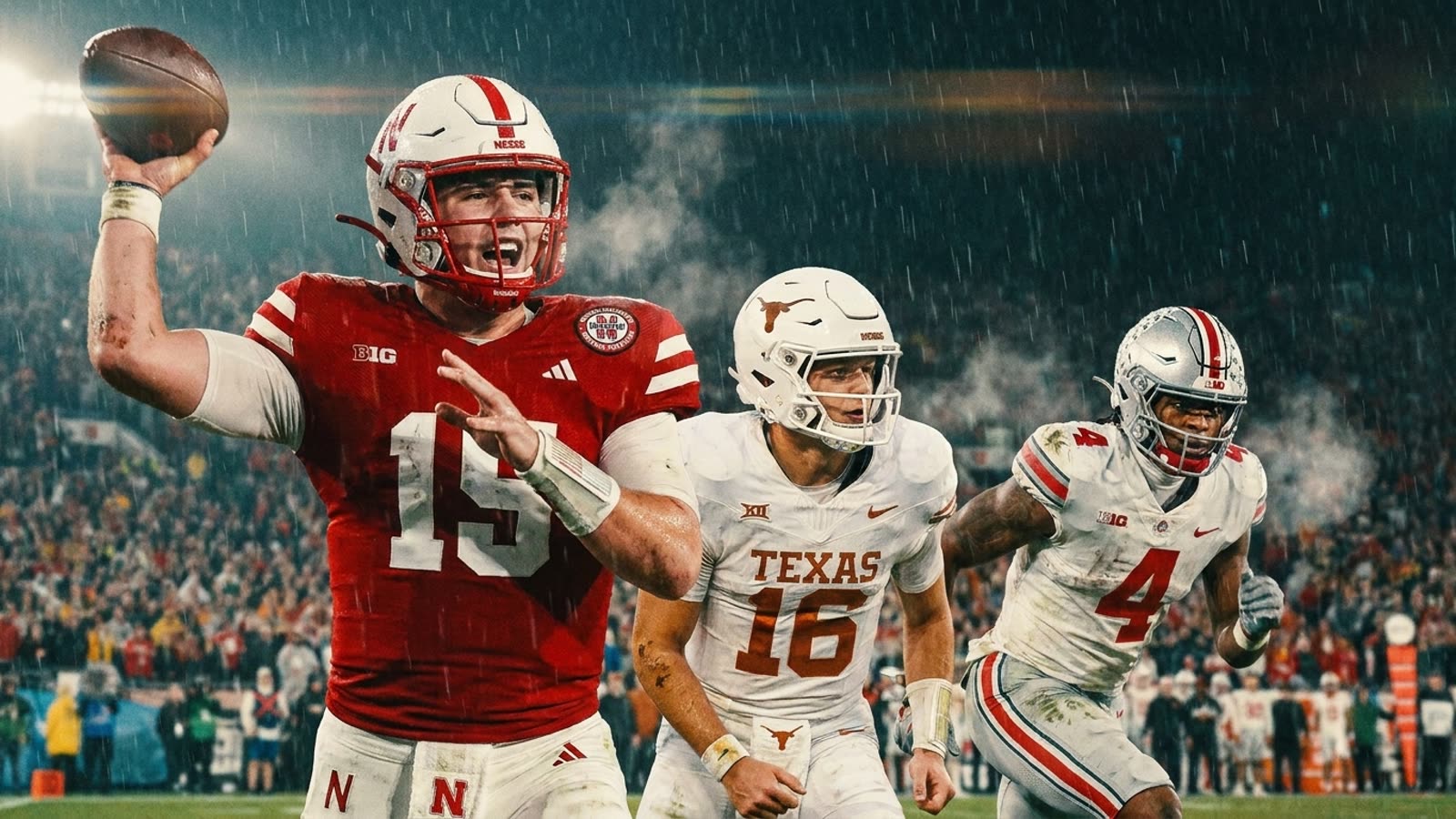
The NFL's quarterback industrial complex never sleeps. While the 2026 season remains months away, league scouts and draft analysts have already published comprehensive evaluations of 22 quarterbacks eligible for the 2027 draft—a cohort of college juniors and sophomores who haven't yet thrown a single pass in their upcoming seasons.
This isn't scouting. It's speculation dressed in the language of certainty, and it reveals the league's deepest neurosis: the terror of missing the next franchise quarterback.
The arms race for information
The early 2027 quarterback rankings emerging from various scouting services share a common methodology: evaluate arm talent, mobility, and decision-making from limited game film, then project how those traits might develop under pressure. It's educated guessing, but the NFL treats it as gospel.
What's striking about the current evaluations is the emphasis on dual-threat capabilities. The days of the pure pocket passer as the default prototype are fading. Teams burned by immobile quarterbacks against modern defensive schemes now prioritize athleticism alongside arm strength. The 22 prospects being tracked include a significant number of players whose running ability is listed as a primary asset rather than a bonus feature.
The economics of early evaluation
Why scout so early? The answer is financial. Quarterback contracts have ballooned to the point where a missed evaluation can cripple a franchise for half a decade. The Buffalo Bills, Atlanta Falcons, and Jacksonville Jaguars have all experienced recent cautionary tales of quarterback investments gone wrong. Front offices now believe that more lead time equals better decision-making, even if the data suggests otherwise.
The irony is that early evaluations are notoriously unreliable. Players who look transcendent as sophomores often plateau or regress. Others emerge from obscurity in their final college seasons. The 2027 class will almost certainly look different by this time next year, yet the scouting apparatus churns forward regardless.
Our take
The NFL's quarterback obsession has become self-parodying. Evaluating 22 signal-callers before they've played a meaningful snap in their upcoming seasons isn't thoroughness—it's anxiety management disguised as process. The league would be better served admitting what everyone knows: quarterback evaluation is part science, part luck, and no amount of early scouting can eliminate the randomness. But admitting uncertainty doesn't sell draft coverage or justify scouting department budgets, so the charade continues.