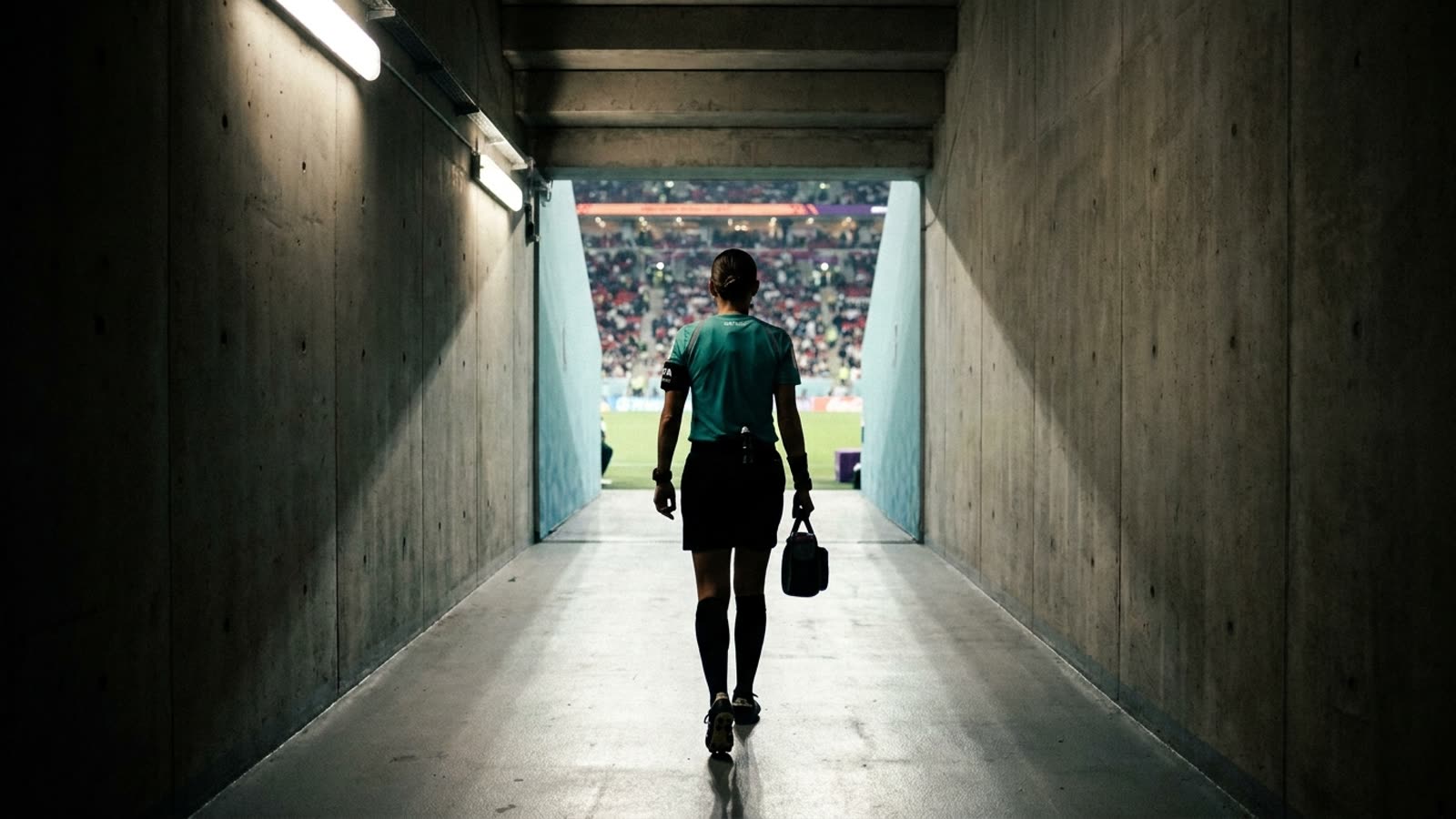
The men and women who will officiate the World Cup final have already been chosen, in a sense. They just don't know it yet—and neither does FIFA, not officially. The selection process for refereeing football's most consequential match is a rolling evaluation that began years before the first whistle in North America, and it operates on a principle that would terrify most professionals: you are only as good as your last decision, and your last decision was watched by a billion people.
This is the peculiar meritocracy of elite refereeing, where a career's worth of correct calls can be obliterated by one missed handball, and where the reward for excellence is the privilege of being blamed for ruining someone's World Cup.
The invisible audition
FIFA's Referees Committee maintains a pool of roughly 36 referees and 70 assistant referees for the men's tournament, drawn from every confederation. But the pool is not a democracy. From the group stage forward, officials are graded on every match by FIFA's refereeing department, which tracks everything from positioning to communication to the accuracy of VAR interventions. The grades are not public. The criteria are not fully disclosed. The referees themselves receive feedback, but the competitive ranking that determines who gets the final remains opaque even to them.
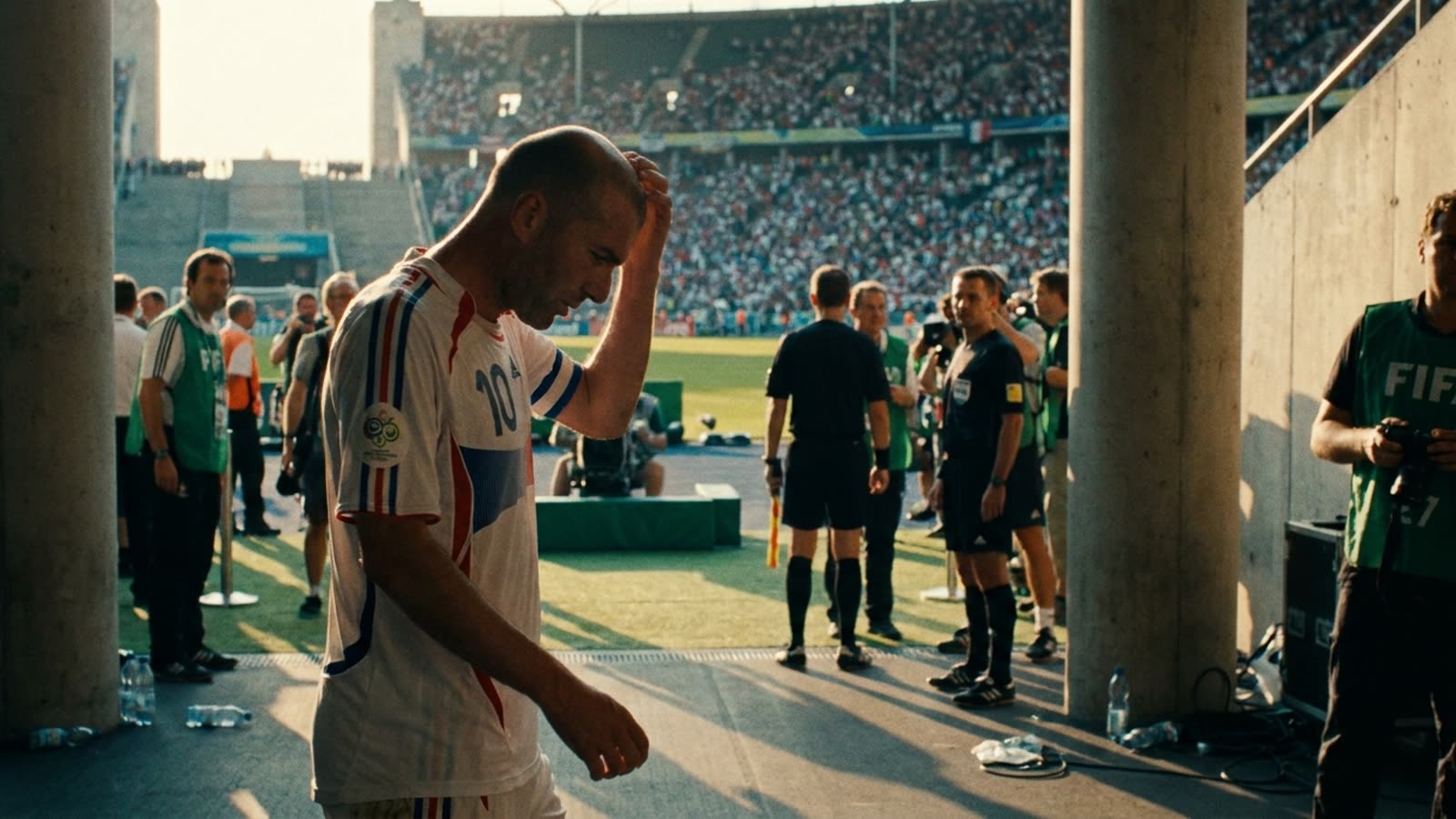
What is known: physical fitness is tested relentlessly (referees run roughly 10-13 kilometers per match, often at sprint intervals), and psychological resilience is weighted heavily. A referee who loses composure after a controversial call—even if the call was correct—may find their tournament quietly ended. The job requires not just accuracy but the appearance of serene authority, which is rather a lot to ask of someone being screamed at by 80,000 partisans.
The economics of thanklessness
World Cup referees are not paid match fees in the traditional sense. FIFA provides a daily allowance during the tournament—reportedly in the range of $3,000 per day—plus bonuses for knockout-round assignments. The final carries the largest bonus, though FIFA does not disclose exact figures. By any measure, this is modest compensation for officiating matches where a single error can generate death threats.
Most elite referees maintain day jobs. They are police officers, teachers, businesspeople. The professional pathway that exists in club football—where top referees in leagues like the Premier League or La Liga earn six-figure salaries—does not translate neatly to international duty. A referee can spend a decade climbing FIFA's ranks, officiate a World Cup semifinal, and return home to a job that pays less than the players' weekly wages.
Our take
There is something almost absurdly noble about World Cup refereeing. The officials are held to a standard of perfection that the players themselves are not—no one expects a striker to convert every chance—yet they receive a fraction of the glory and most of the blame. The selection process for the final is FIFA's attempt to identify the official least likely to become the story, which is the highest compliment the job allows. In a tournament defined by national passion and individual brilliance, the best referee is the one you forget was there.