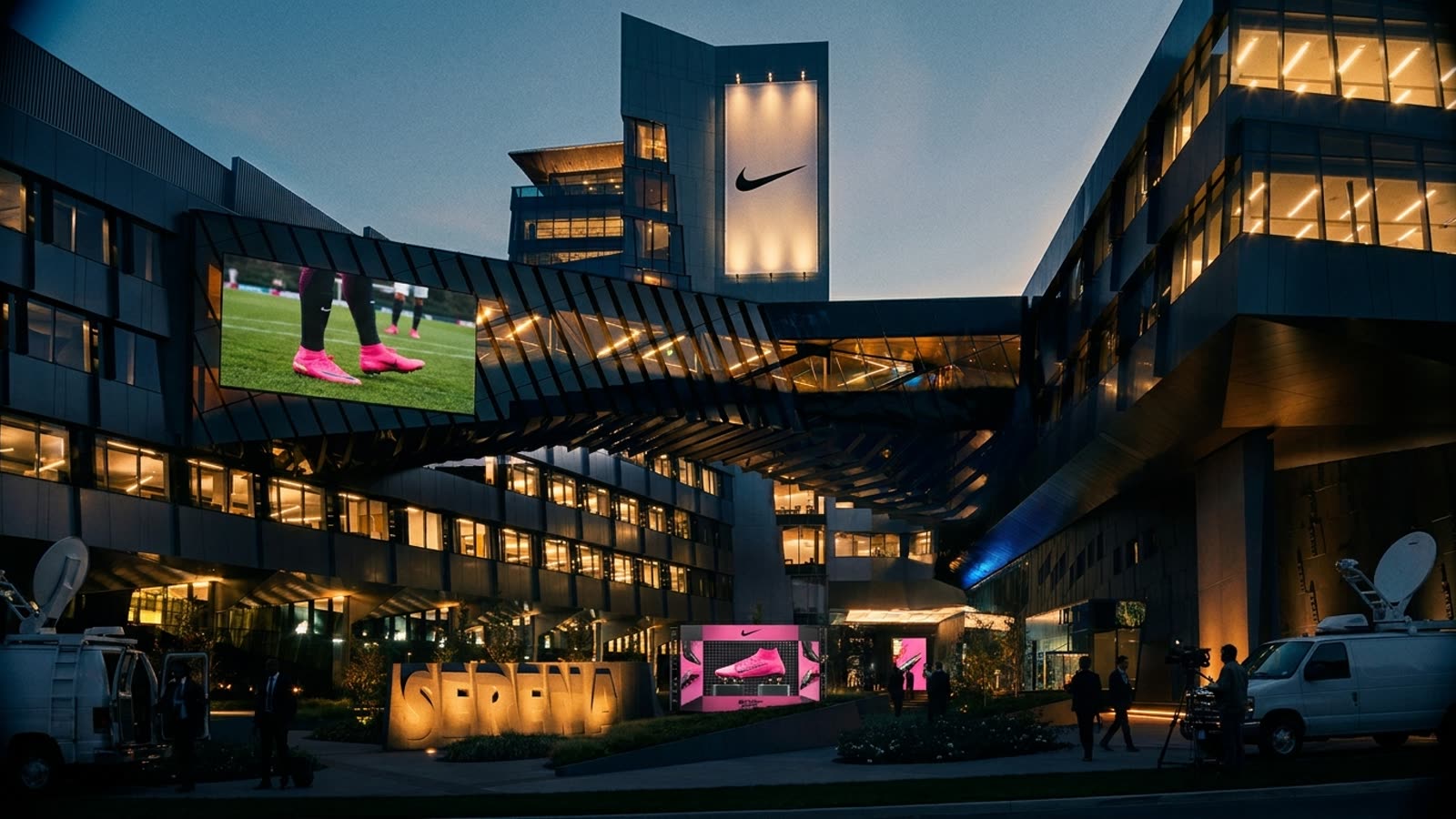
If you've watched more than twenty minutes of World Cup football this summer, you've noticed the pink cleats. They're everywhere—on the feet of forwards from three continents, defenders who typically favor understated black boots, and at least one goalkeeper who seems unbothered by the clash with his kit. The chromatic invasion isn't coincidental. It's Nike's "For Her" campaign, and it represents perhaps the most emotionally sophisticated piece of sports marketing in the tournament's history.
The premise is disarmingly simple: players whose mothers have battled breast cancer are wearing pink Mercurial boots, with each pair customized to include their mother's name or initials. No splashy press conference announced the initiative. Players simply showed up to training in the boots, posted quiet tributes on social media, and let the visual speak for itself.
The silent spread
What makes the campaign remarkable is its organic appearance despite meticulous coordination. Nike identified players across its roster whose families had been touched by breast cancer, then approached each privately months before the tournament. The company reportedly donated to breast cancer research organizations in each player's home country—a gesture that never made it into any press release but circulated among players' inner circles.
The result is a campaign that feels like a grassroots movement rather than corporate strategy. Commentators have been caught off-guard, learning the backstory only when researching why a particular striker switched from his signature colorway. Social media has filled with fans sharing their own family stories, tagging the players, creating exactly the kind of authentic engagement that traditional advertising cannot purchase.
The commercial calculus
None of this altruism is divorced from commerce, of course. Nike's pink Mercurial has reportedly become the fastest-selling limited-edition boot in World Cup history, with resale prices already triple retail. The company has pledged a portion of proceeds to cancer research—the exact percentage remains strategically vague—while simultaneously capturing market share from Adidas and Puma during football's quadrennial attention peak.
The genius lies in making the transaction feel secondary. Consumers buying the pink boots aren't just purchasing footwear; they're participating in a tribute. It's cause marketing refined to its most effective form: the cause is genuine, the emotion is real, and the cash register rings regardless.
Our take
There's something slightly uncomfortable about a corporation monetizing maternal cancer survival, even when the tribute is sincere and the donations are real. But discomfort doesn't make it wrong. The players wearing these boots aren't performing—they're honoring women who matter to them on the world's largest stage. If Nike profits from facilitating that expression, the calculus still seems net positive. The campaign works precisely because it found the rare intersection where commercial interest and human meaning genuinely align. That it also moves units is capitalism functioning as designed.