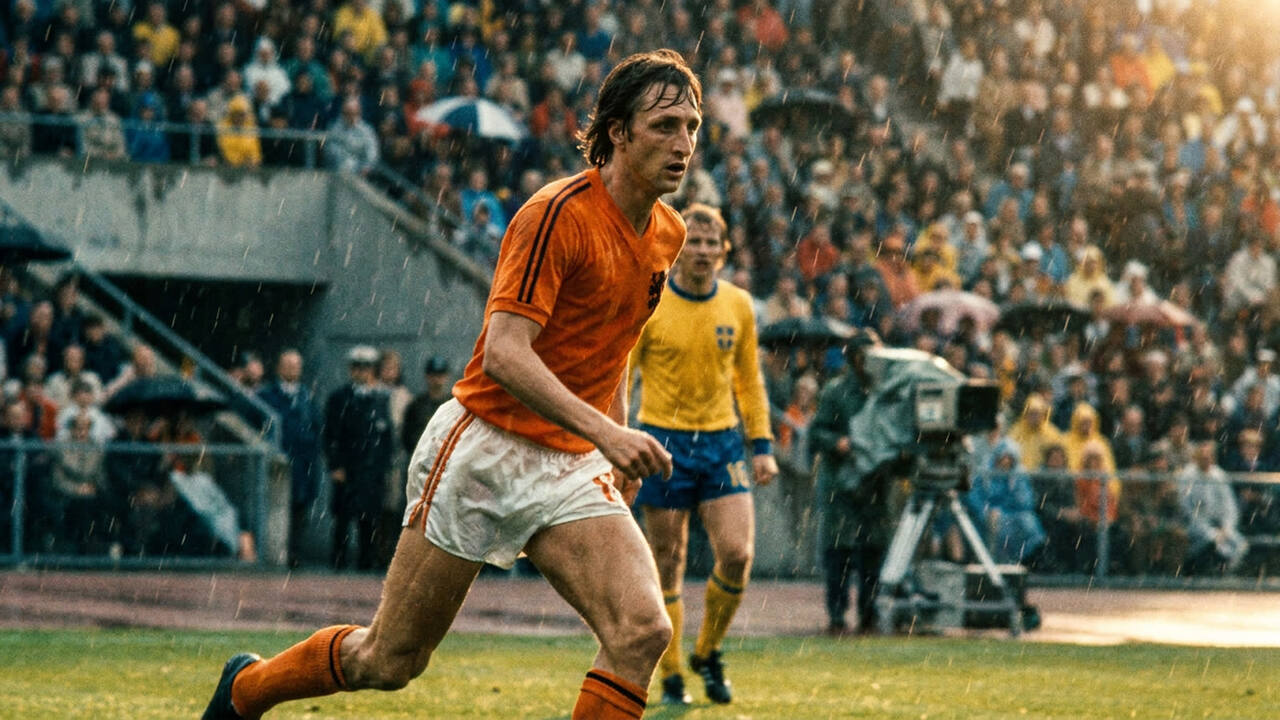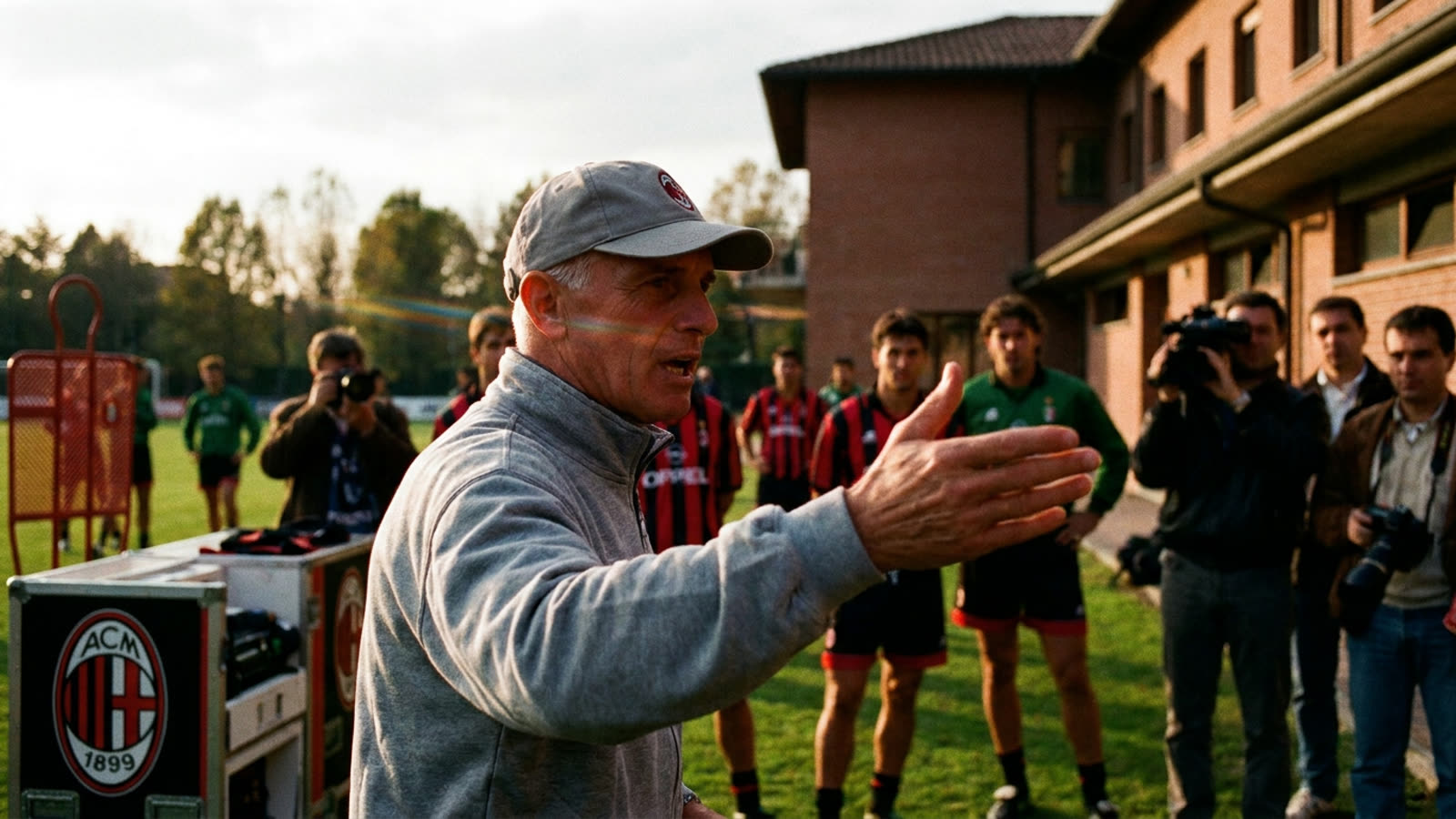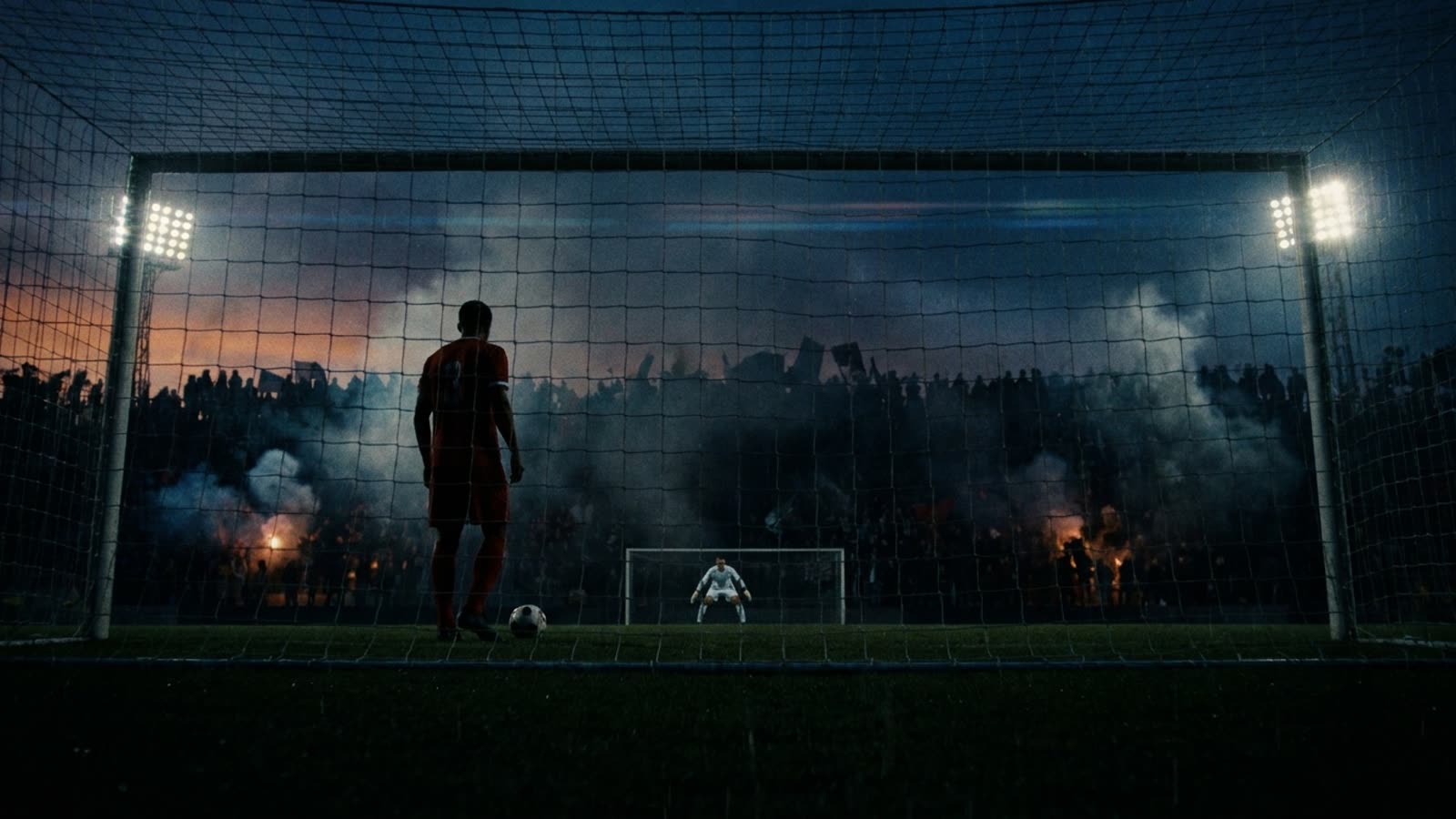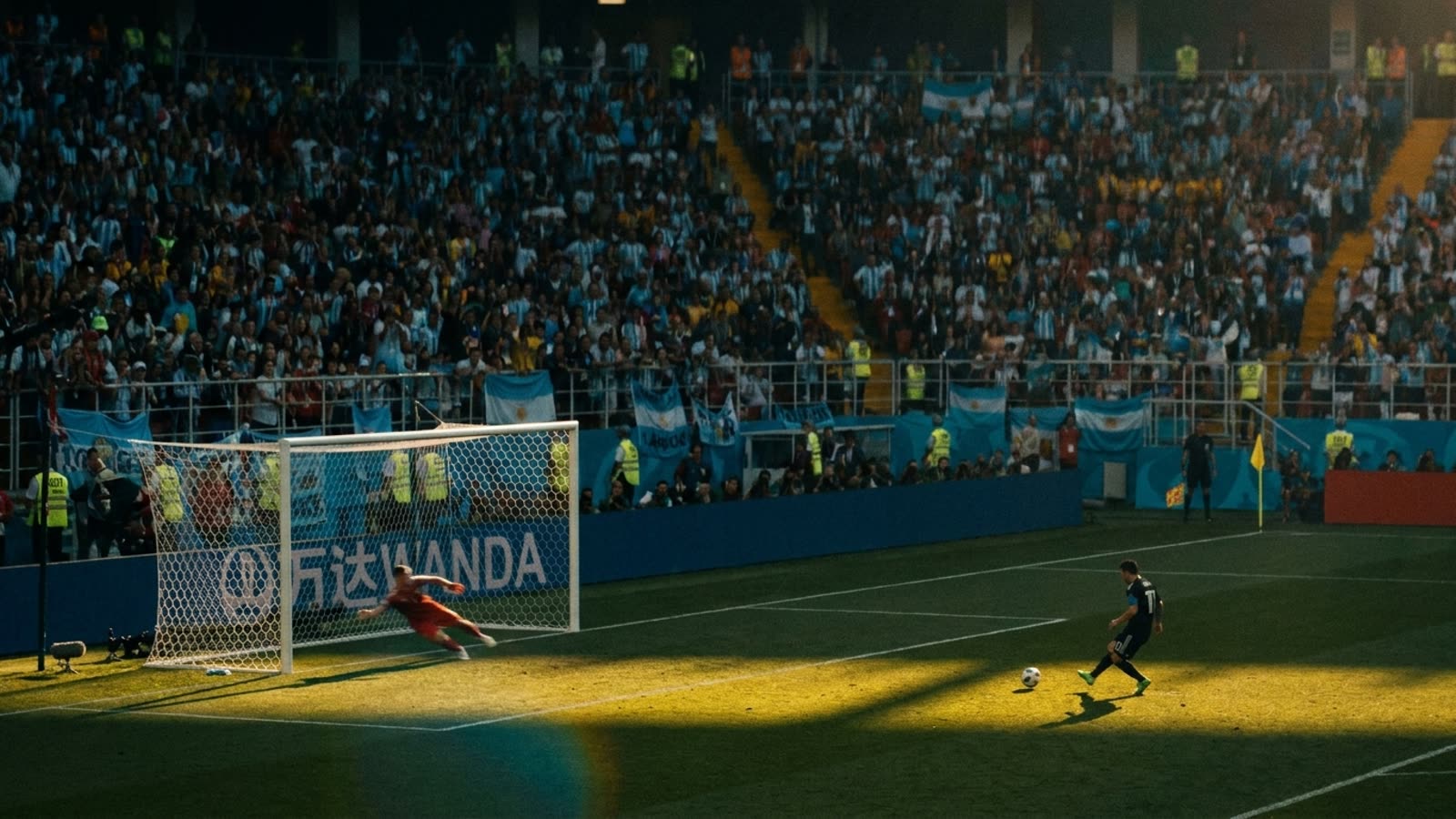
Every four years, the World Cup produces a handful of images that outlast the tournament itself, and a disproportionate number of them feature a solitary figure standing over a ball, the weight of a nation compressed into a single strike. The penalty kick is football's closest approximation to a controlled experiment — same distance, same target, same basic physics — yet the variance in outcomes suggests the decisive variable is neither technique nor athleticism. It is something harder to quantify and far more interesting.
The designated penalty taker occupies a peculiar position in squad dynamics. Unlike the captain's armband or the number ten shirt, the role carries no formal status, yet it demands a specific psychological profile that coaches spend careers trying to identify. Some players actively seek the responsibility; others, equally skilled from the spot in training, dissolve when the stakes become existential.
The architecture of composure
What separates reliable penalty takers from the rest is not courage in any conventional sense. Research into elite performers under pressure suggests the critical distinction lies in attentional control — the ability to narrow focus to the task itself rather than its consequences. The best spot-kick specialists describe a kind of deliberate tunnel vision, a mental rehearsal that begins before they even reach the ball. They have decided where they will place it, and they execute that decision regardless of the goalkeeper's movement or the crowd's noise.
This is trainable, but only to a point. Some players possess an innate capacity to compartmentalise consequence from action, while others cannot prevent their minds from racing through failure scenarios. The cruel irony is that technical ability offers no protection. Players with immaculate touch and vision can become unreliable from twelve yards because the penalty removes the variables that usually occupy their processing power. There is nothing to read, no defender to beat, no pass to weight. Just the self, the ball, and the net.
Why managers get it wrong
International tournaments routinely produce penalty misses from players who never miss for their clubs, and the explanation is rarely physical fatigue. The difference is context. A league penalty in November carries consequences that can be absorbed by future matches; a knockout-round penalty in July carries the finality of elimination. Managers often select takers based on club conversion rates, which is roughly as useful as choosing a surgeon based on their performance in simulation exercises. The data that matters — how a player responds when the simulation becomes real — is vanishingly rare and almost impossible to manufacture in training.
The smartest coaches have begun to prioritise psychological profiling over technical metrics when building penalty hierarchies. They look for players who have previously missed and recovered, who have taken decisive kicks in youth tournaments or lower-league playoffs, who demonstrate what psychologists call "challenge appraisal" rather than "threat appraisal" when facing high-stakes moments. The goal is not to find players without fear but players whose relationship with fear is productive rather than paralysing.
Our take
The penalty kick is football's great leveller and its cruelest examination, a moment that strips away the team sport's usual diffusion of responsibility and asks a single person to succeed or fail in plain view. That some players thrive in this exposure while others crumble tells us something important about the limits of practice and the irreducibility of temperament. You can teach someone to strike a ball into a corner. You cannot teach them to want the ball when missing means going home.