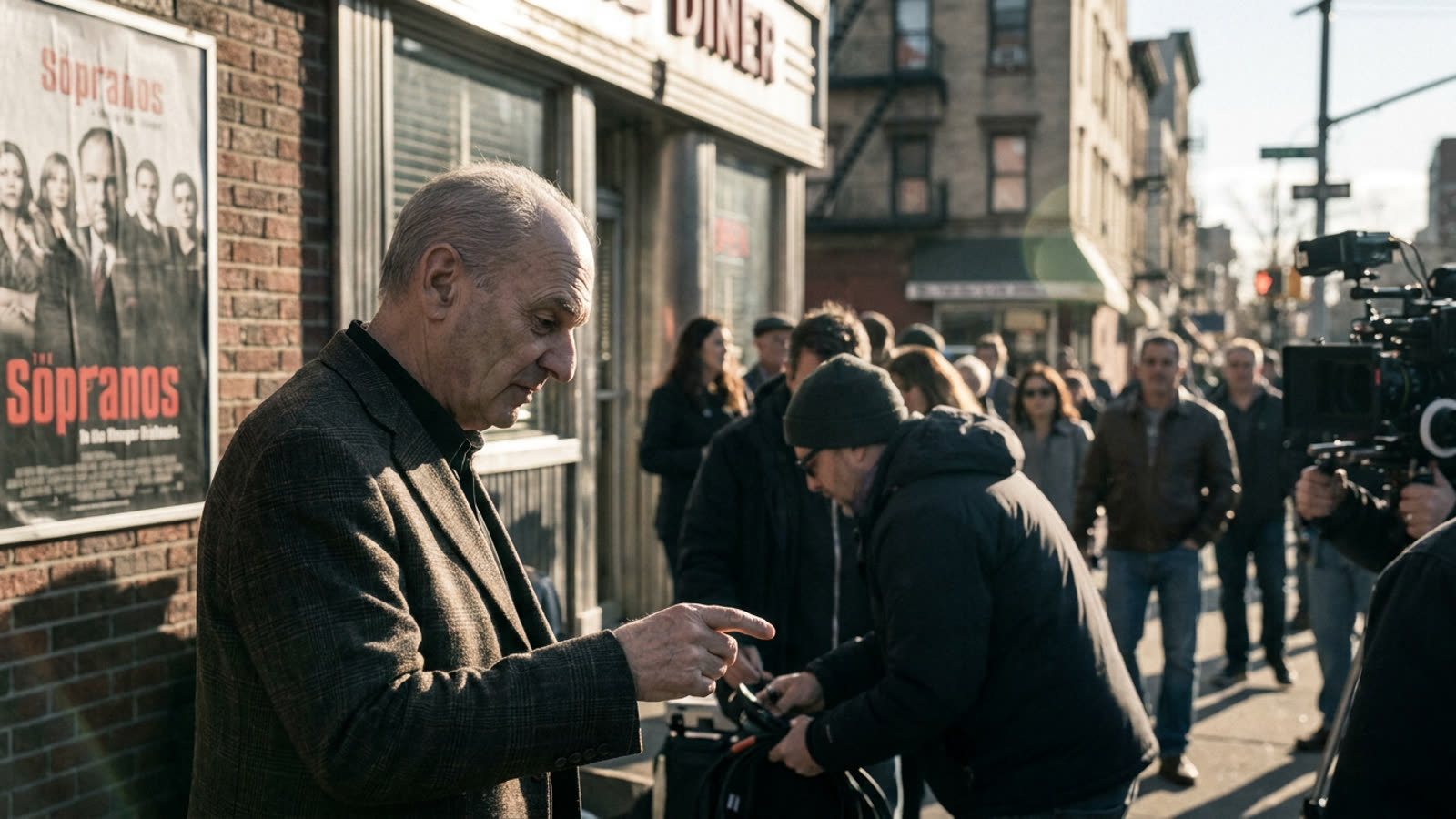
Every few years, a new show arrives with breathless claims that it has finally surpassed The Sopranos as the greatest television drama ever made. Breaking Bad had its partisans. The Wire maintains a devoted cult. More recently, Succession drew inevitable comparisons. Yet the conversation itself reveals something telling: The Sopranos remains the benchmark against which all others are measured, the Everest that subsequent climbers must acknowledge even as they attempt different routes.
This isn't mere nostalgia or boomer loyalty to a formative text. The show's continued centrality to discussions of television craft reflects something more fundamental about what David Chase and his collaborators achieved—and what that achievement cost the medium.
The antihero problem
Before Tony Soprano sat down in Dr. Melfi's waiting room, American television operated under a clear moral economy. Protagonists could be flawed, but they needed to be fundamentally sympathetic, their transgressions either justified or punished by the narrative. Tony shattered this convention not through shock value but through seduction. Chase made audiences complicit in Tony's worldview, let them enjoy his power fantasies and casual cruelties, then slowly revealed the rot beneath.
The show's genius was structural. It understood that television's long-form nature created a different relationship with character than film. Audiences spending years with Tony would inevitably develop something like affection, regardless of his actions. Chase weaponized this intimacy, forcing viewers to confront their own capacity for moral compromise.
The problem is that most of the shows that followed learned the wrong lesson. They copied the antihero without understanding the critique embedded in the original. Tony Soprano was a monster whose monstrousness was the point; too many successors treated moral complexity as an end in itself, a marker of sophistication rather than a tool for examination.
The dream logic
What distinguished The Sopranos from its imitators wasn't just its willingness to make its protagonist irredeemable—it was Chase's refusal to let the show become merely a crime drama. The dream sequences, the surrealist detours, the episodes that abandoned conventional structure entirely: these weren't indulgences but assertions of artistic ambition.
The famous finale, with its abrupt cut to black, crystallized this approach. Chase declined to give audiences the closure that genre conventions demanded, insisting instead on ambiguity that respected viewers enough to let them sit with uncertainty. The choice infuriated many at the time. It has aged into a kind of perfection, a reminder that great art doesn't owe us resolution.
Our take
The Sopranos matters now for the same reason it mattered then: it demonstrated that television could aspire to the complexity and ambiguity of literary fiction without abandoning the pleasures of popular entertainment. That this lesson has been imperfectly learned by the industry doesn't diminish the original achievement. If anything, the flood of prestige dramas that followed—some excellent, many merely expensive—only clarifies how difficult Chase's balancing act really was. The show didn't just raise the bar; it revealed that most of what came after was reaching for something it never quite understood.