The Aperol Spritz is not a particularly good drink. It is too sweet for serious aperitivo purists, too bitter for people who actually like sweetness, and too diluted to deliver much of anything except a photogenic orange glow. And yet it has become, against all odds and considerable snobbery, the defining cocktail of the early twenty-first century—ordered in quantities that would have baffled the Paduan pharmacists who invented Aperol in 1919.
The drink's triumph is not about taste. It is about what the Spritz represents: a certain European languor, the promise of a piazza at golden hour, the fantasy of a life with more time in it. You do not order a Spritz because you crave Aperol. You order it because you crave the afternoon it implies.
The accidental empire
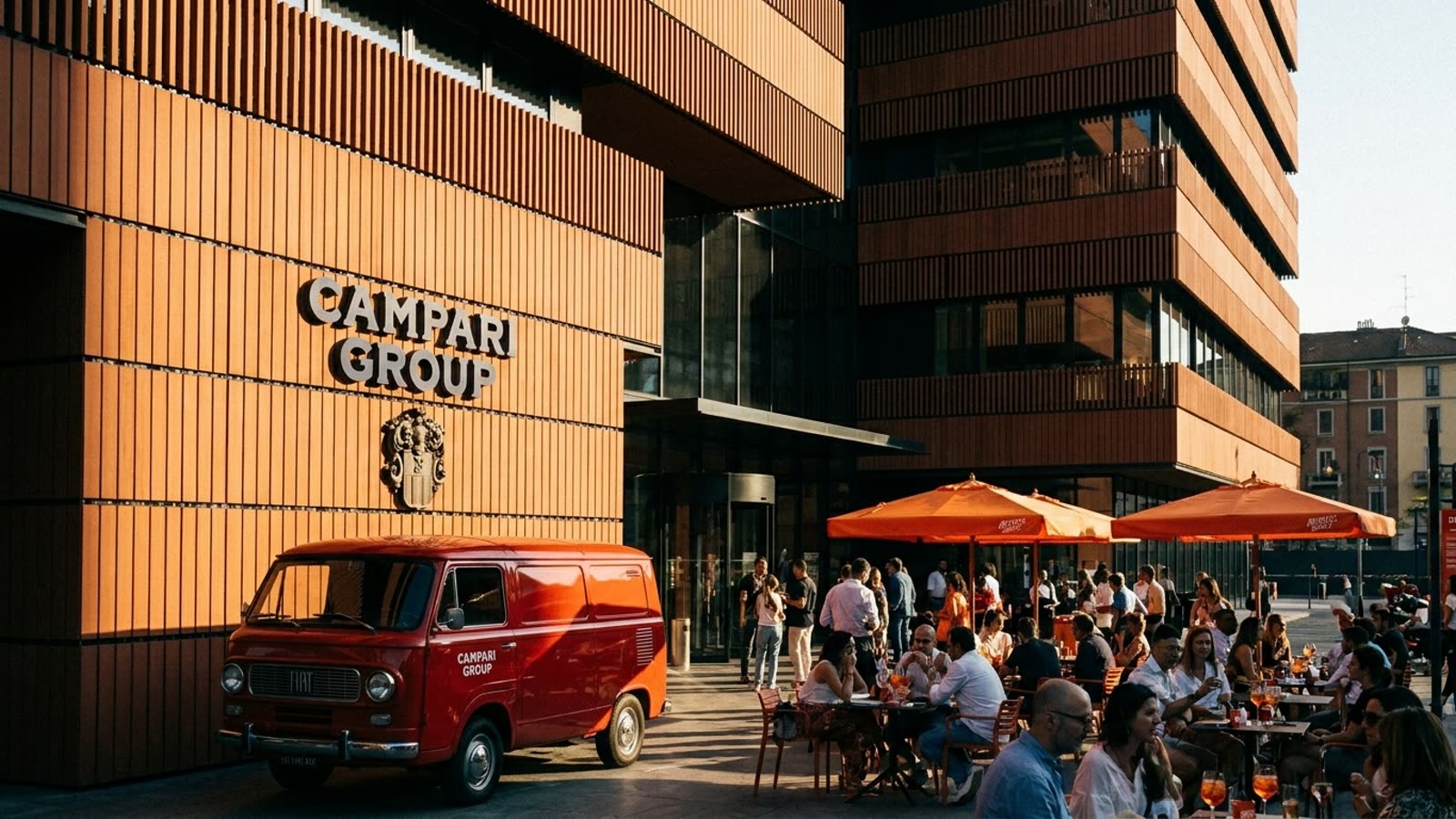
Aperol spent most of the twentieth century as a regional curiosity, popular in the Veneto and virtually unknown elsewhere. The Spritz itself—prosecco, Aperol, a splash of soda—was a Venetian habit, not a global phenomenon. What changed was ownership. When Campari Group acquired Aperol in 2003, it inherited a brand with strong local loyalty and zero international presence. The company's subsequent marketing campaign was less about the liquid than the lifestyle: sun-drenched terraces, effortless socializing, the vague promise of la dolce vita available by the glass.
The timing was impeccable. Instagram launched in 2010, and the Spritz turned out to be the most photographable drink ever created. Its radioactive orange practically vibrated against Mediterranean backdrops. By the mid-2010s, the drink had achieved something rare in the spirits industry: it became a category of one. Competitors existed, but nobody ordered them.
The backlash that proved the point
In 2019, The New York Times published an opinion piece declaring the Aperol Spritz "not a good drink." The reaction was volcanic. Readers wrote furious letters. Social media erupted. The piece became one of the most-read food stories of the year. What the controversy revealed was that the Spritz had transcended beverage status entirely. Criticizing it felt like criticizing a lifestyle choice, an aspiration, a whole theory of how leisure should look.
The drink's defenders were not really defending the flavor profile. They were defending their right to want what the Spritz promised: a slower pace, a prettier setting, a version of adulthood that involved sitting outside with friends instead of eating sad desk lunches. The Spritz had become a mood board in liquid form.
The economics of aspiration
Campari has not disclosed Aperol sales figures in granular detail, but the brand has grown into one of the most valuable in the company's portfolio. The Spritz's success spawned an entire category of low-ABV, highly Instagrammable aperitivo drinks, from the Hugo to various rosé spritzes to countless craft variations. Bars that once would have sneered at the drink now keep Aperol prominently displayed, because refusing to serve Spritzes means refusing money.
The drink also illustrates a broader truth about contemporary consumption: we increasingly buy experiences rather than products, and we buy products that signal the experiences we wish we were having. The Spritz is not competing with other cocktails. It is competing with the idea of a beach vacation, a European gap year, a retirement that involves a villa.
Our take
The Aperol Spritz deserves more respect than it gets from cocktail purists and more skepticism than it gets from everyone else. It is a genuine cultural phenomenon, a case study in how marketing can create meaning, and a reasonably pleasant way to spend an afternoon. It is also, let's be honest, a drink that tastes mostly like the color orange. The genius of Campari was understanding that this does not matter. People are not drinking Aperol. They are drinking the idea of a life with more Aperol in it—which is to say, a life with more time, more sun, more friends, and more terraces. That the drink itself is mediocre is almost beside the point. The fantasy is excellent.