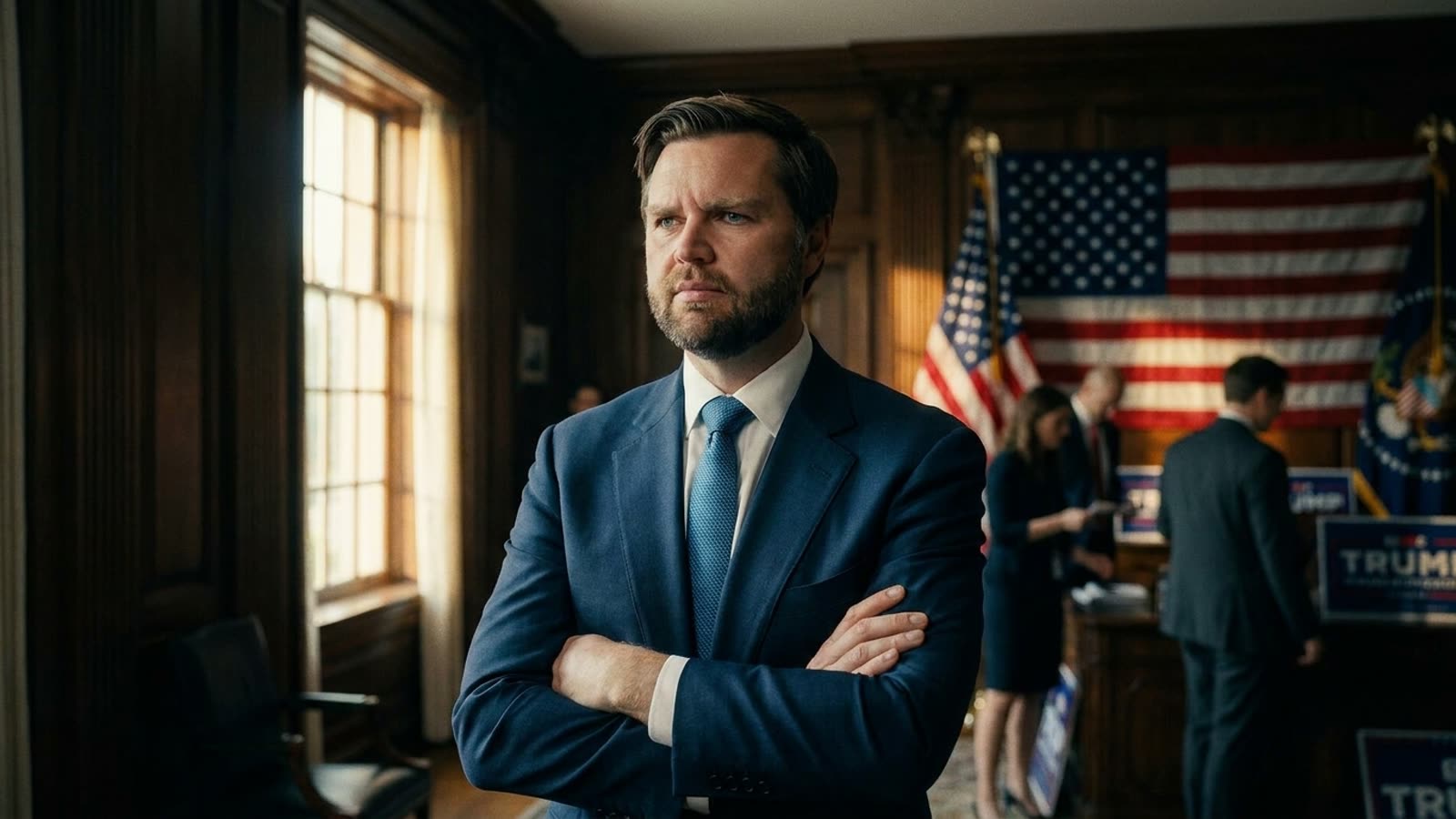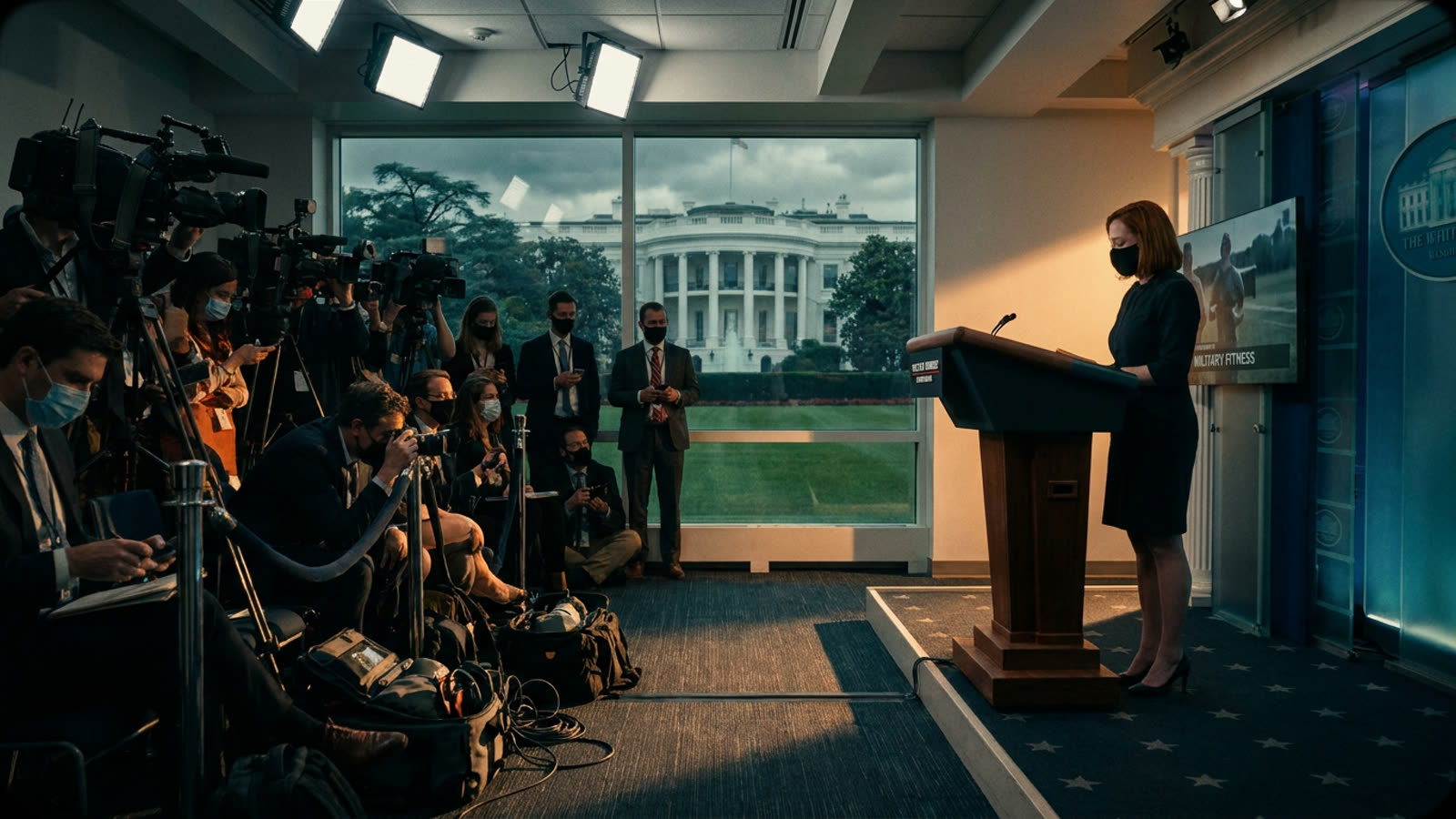
The Trump administration has found an unusual lever for military fitness culture: free tickets to watch cage fighting at the White House. Troops who want seats to the upcoming UFC event on the South Lawn must first prove they meet the military's body-composition standards—a requirement that sounds routine until you consider that roughly 17 percent of active-duty service members are currently classified as overweight or obese, and that the armed forces have spent the past several years relaxing fitness requirements just to fill their ranks.
The policy, announced without fanfare, transforms a presidential perk into a de facto fitness incentive. Whether that amounts to smart motivation or petty gatekeeping depends largely on your view of how the military should balance readiness with recruitment in an era when fewer than a quarter of young Americans can meet basic enlistment standards.
The recruitment math
The Pentagon has been fighting a two-front war: against adversaries abroad and against a shrinking pool of qualified recruits at home. The Army missed its 2023 recruiting goal by 15,000 soldiers. The Navy and Air Force have periodically waived fitness requirements for otherwise promising candidates. Some branches now allow recruits to ship to basic training above weight limits, betting that drill sergeants can accomplish what civilian life could not.
Against that backdrop, conditioning White House access on meeting weight standards sends a mixed message. The same institution that has loosened the door to get bodies in uniform is now tightening the velvet rope for a presidential photo op. The troops who can't make weight for a UFC night are, in many cases, the same troops the military decided were good enough to serve.
Fitness as spectacle
The choice of UFC is itself revealing. The administration has leaned heavily into combat sports as a cultural signifier—Dana White spoke at the Republican National Convention, and the president has made ringside appearances a recurring feature of his public calendar. Hosting a fight at the White House extends that brand alignment, positioning the executive mansion as a temple of martial vigor rather than diplomatic restraint.
Requiring attendees to embody that vigor literalizes the metaphor. It is not enough to cheer for fighters; you must yourself be fighting-fit. The policy treats weight standards as a badge of belonging, a way of sorting the warrior class from the merely employed.
Our take
There is nothing wrong with encouraging fitness, and the military has every right to set standards for its personnel. But using a presidential entertainment event as the enforcement mechanism feels more like culture-war theater than serious policy. The troops who fail to make weight are not being denied deployment or promotion—they are being denied a party invitation, which is a strange place to draw a hard line when the Pentagon has been erasing hard lines elsewhere just to keep the lights on. If the administration wants a fitter force, it might start by funding better nutrition and gym access on bases rather than by handing out golden tickets to the already lean.