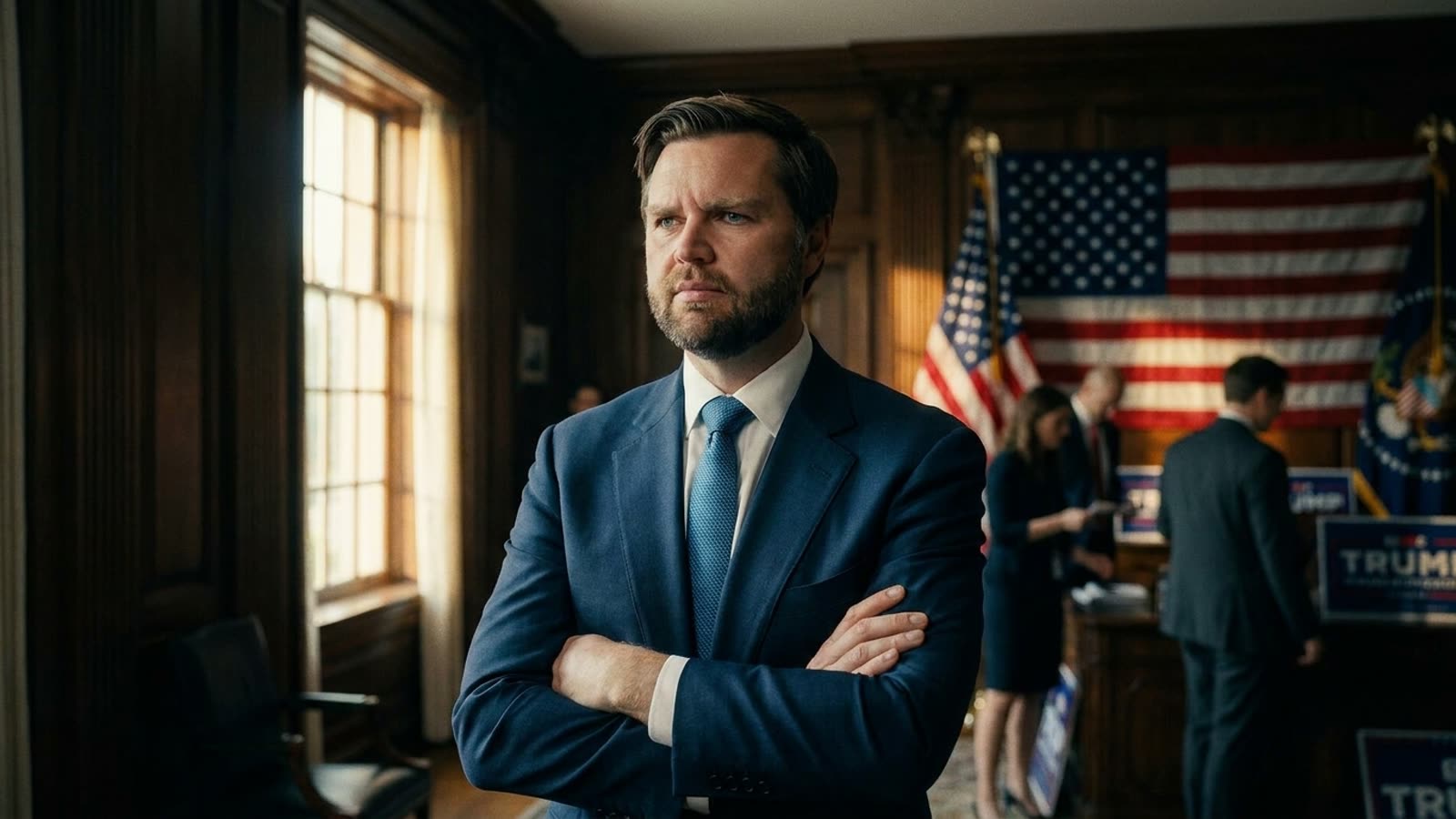
The cruelest thing Donald Trump can do to an ally is express public uncertainty about their future. JD Vance, the vice president who remade himself from Never-Trumper to MAGA true believer, is now learning this lesson firsthand.
Trump has reportedly begun questioning whether Vance is the natural heir to the movement he built, raising doubts about the Ohio senator's readiness to carry the torch in 2028. For a president who prizes loyalty above all else, the public airing of these reservations is a calculated act of destabilization—one that opens the door to rivals and signals to the party faithful that the succession remains unsettled.
The loyalty paradox
Vance's transformation from the author of "Hillbilly Elegy" to Trump's running mate was one of the more remarkable political conversions of the decade. He renounced his earlier criticisms with the fervor of a convert, and Trump rewarded him with the vice presidency. But the transactional nature of Trump's relationships means that past devotion earns no permanent credit. The question Trump appears to be asking is not whether Vance has been loyal, but whether he can win—and whether his brand of intellectual populism translates beyond the base.
The timing is notable. With Trump's second term not yet at its midpoint, any normal administration would be focused on policy implementation rather than succession politics. But Trump has never operated by normal rules, and his willingness to publicly muse about alternatives suggests either genuine uncertainty or a deliberate strategy to keep Vance—and potential rivals—off balance.
The field stirs
Trump's hedging inevitably invites speculation about who else might compete for MAGA's blessing. Ron DeSantis, humiliated in the 2024 primaries, has been quietly rebuilding his standing. Vivek Ramaswamy maintains a media presence. And figures like Tucker Carlson, though never having held office, command audiences that dwarf most politicians. If Trump signals that Vance is not the anointed one, the 2028 primary could become a free-for-all rather than a coronation.
For Vance, the strategic response is limited. Pushing back risks appearing disloyal; excessive deference risks appearing weak. The vice president must somehow demonstrate independent political strength while remaining subordinate to a president who tolerates no rivals. It is, in essence, an impossible position—which may be precisely the point.
Our take
Trump's reluctance to fully endorse his own vice president reveals the fundamental tension at the heart of MAGA: it is a movement built around one man's personality, and personality cults do not transfer cleanly. Vance may yet emerge as the 2028 nominee, but he will do so having been publicly tested and humiliated by his patron. That Trump would rather keep his options open than build up his successor tells you everything about how he views the party he now dominates. It is his, and he is not yet ready to share.