For a brief moment in the mid-2020s, it seemed fashion had finally accepted that women come in more than one shape. Brands cast curve models not as tokenistic gestures but as genuine attempts to reflect their customer base. That moment appears to be over.
Vogue Business's newly released Size Inclusivity Report for Spring/Summer 2027 delivers a sobering verdict: curve representation on major runways has plummeted to 2.5 percent, a figure that suggests the industry's diversity pledges were always more marketing than conviction. The timing is no coincidence. As GLP-1 weight-loss drugs like Ozempic and Wegovy have become ubiquitous among fashion's elite, the aesthetic pendulum has swung decisively back toward extreme thinness.
The pharmaceutical factor
The report doesn't shy away from naming the elephant in the showroom. With GLP-1s now readily accessible to anyone with means—and fashion has always been an industry of means—the pressure to be thin has found a new, medically sanctioned pathway. Designers who once cast Ashley Graham and Paloma Elsesser are now working with clients and celebrities who've quietly shed significant weight. The visual language of fashion follows the bodies that populate it, and those bodies are getting smaller.
This isn't simply about individual choices. When editors, buyers, and influencers sitting front row have all achieved a certain silhouette through pharmaceutical intervention, the runway inevitably reflects that reality back. The feedback loop is complete.
Conservative undercurrents
The report also identifies a less discussed factor: a broader cultural conservatism that has made body diversity feel, to some in the industry, like a relic of a more progressive moment. The same forces pushing back against gender fluidity in fashion are quietly relieved to see traditional beauty standards reassert themselves. Thin, feminine, and conventional sells—or at least, that's the bet luxury houses are making as they chase consumers in markets less receptive to Western progressive values.
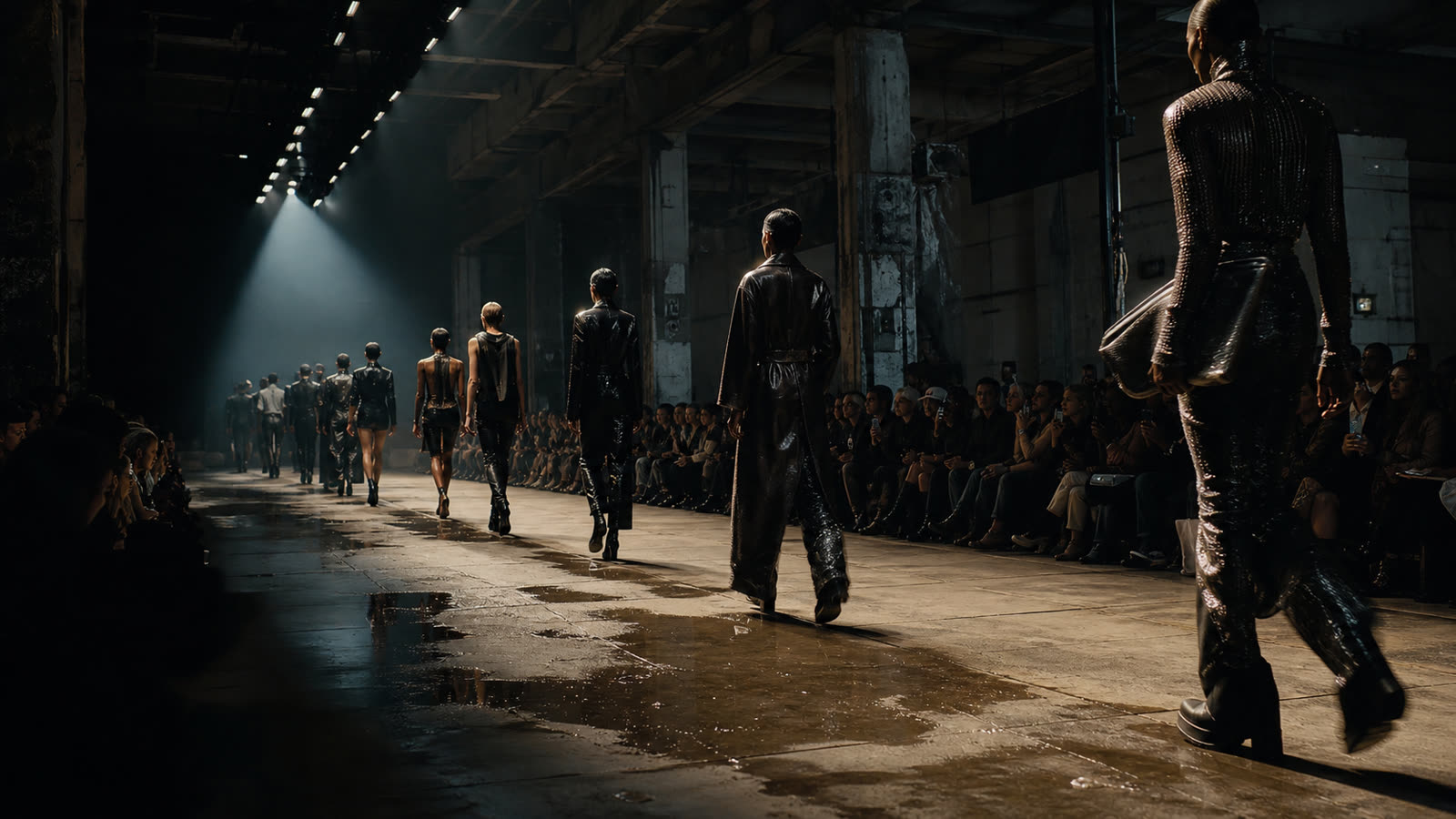
The numbers are stark. At the major Spring/Summer 2027 shows in New York, London, Milan, and Paris, curve models appeared in barely one in forty looks. Several major houses cast none at all.
The few glimmers
The report does note exceptions. A handful of brands—primarily those with younger creative directors and direct-to-consumer models less beholden to wholesale buyers—maintained or expanded their size-inclusive casting. But these remain outliers, not trendsetters. The industry's center of gravity has shifted, and it has shifted away from the bodies most women actually have.
Our take
Fashion's relationship with body diversity was always transactional. Brands embraced curve models when it generated positive press and social media engagement; they're abandoning them now that the cultural winds have shifted. The GLP-1 revolution has given the industry permission to return to its default setting: aspirational thinness as the price of admission. The 2.5 percent figure isn't a temporary dip. It's a statement of intent, dressed up in sample sizes.