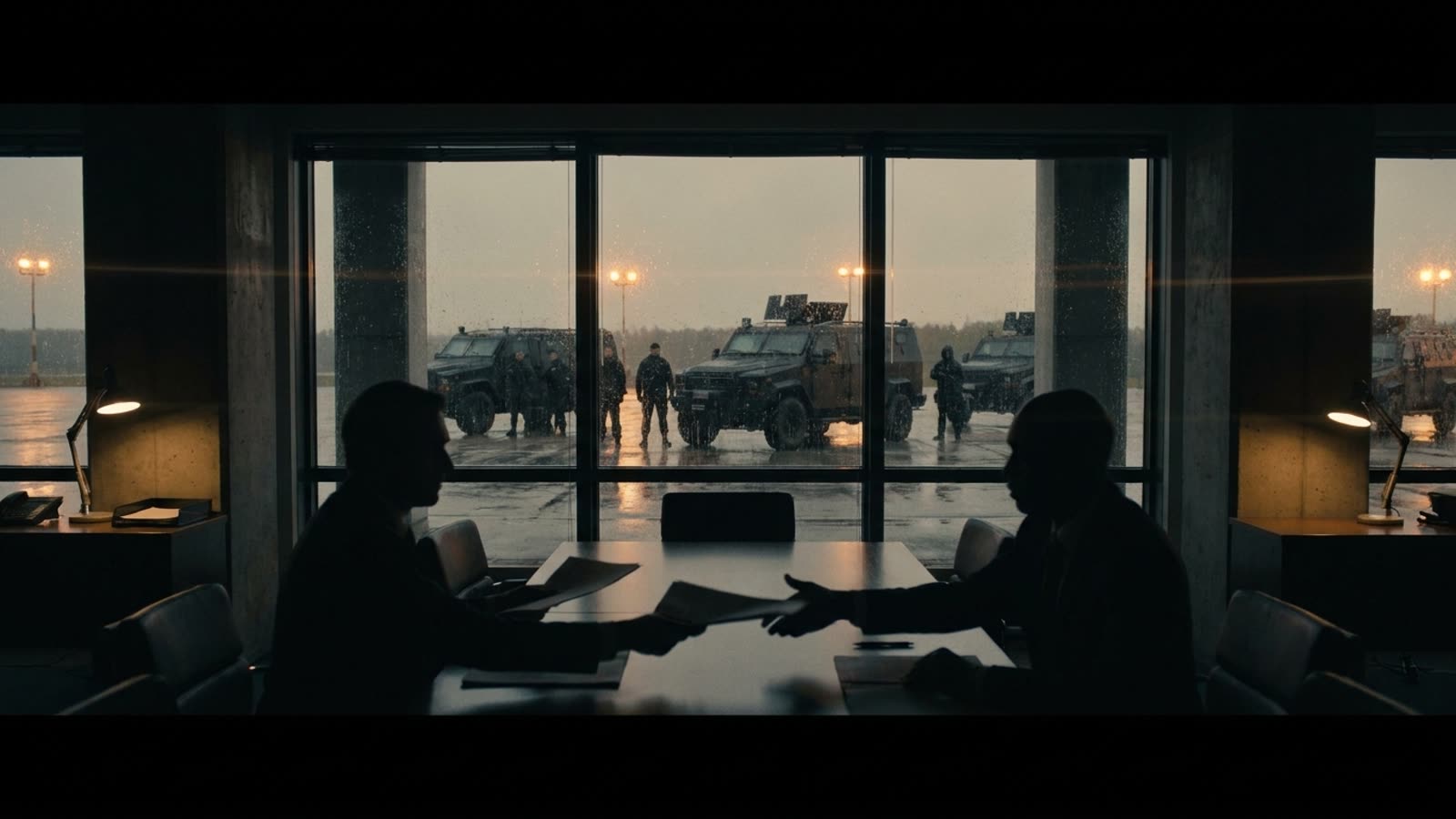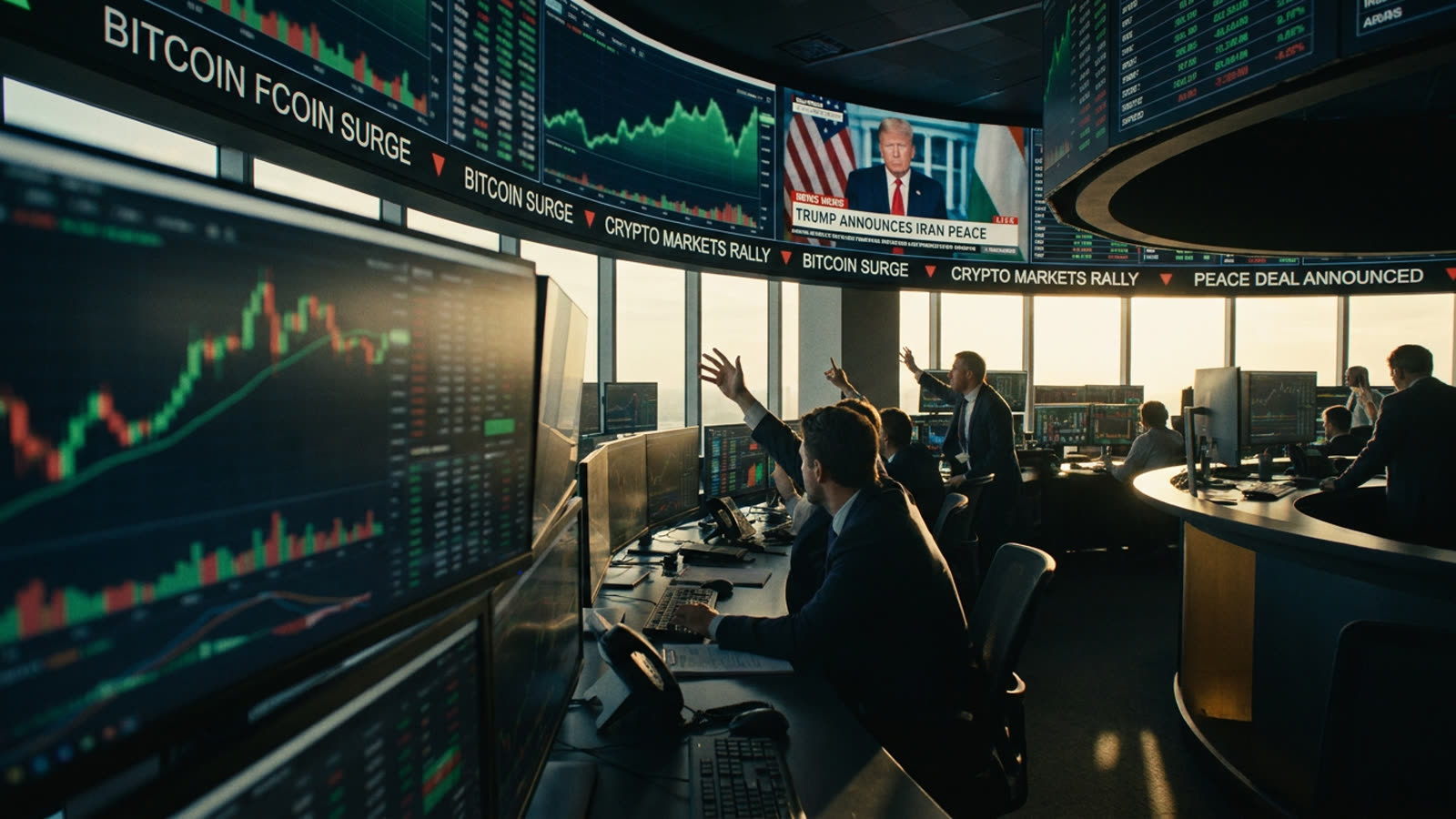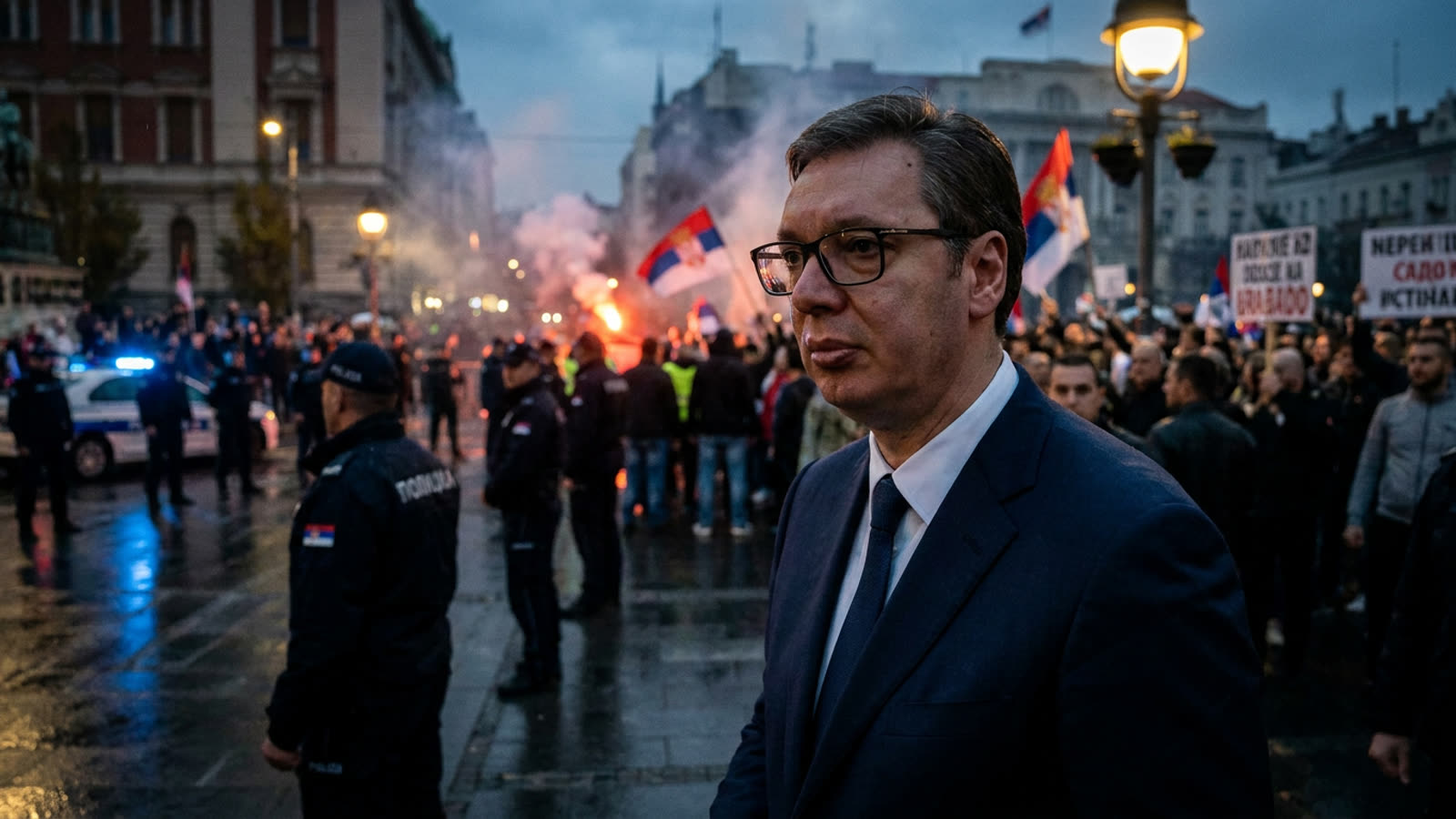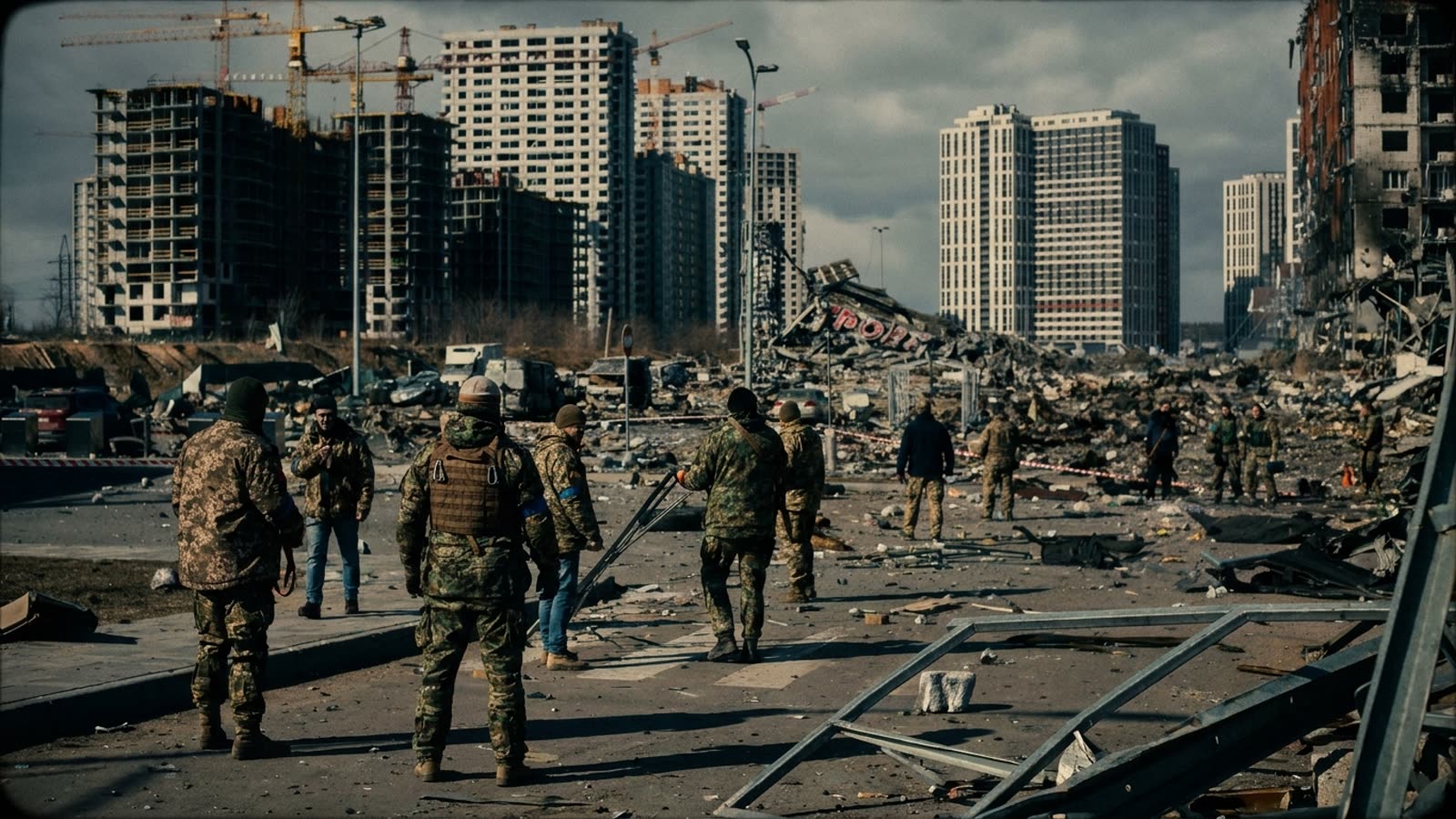
The war in Ukraine has become what conflicts become when the world loses interest: a permanent emergency, normalized into background noise. As May 2026 unfolds with Washington consumed by Iran negotiations and domestic political theater, the fighting that began in February 2022 continues along largely static lines, claiming lives at a pace that no longer makes front pages.
This is the paradox of protracted war. The initial shock that united NATO, cratered the ruble, and turned Volodymyr Zelensky into a global symbol has calcified into something more mundane: a war of attrition where incremental territorial shifts are measured in meters and casualties in the thousands, monthly.
The arithmetic of exhaustion
Both sides face constraints that make decisive victory improbable. Ukraine's manpower challenges have intensified, with mobilization efforts increasingly unpopular domestically. Russia, despite absorbing Western sanctions longer than many economists predicted possible, has restructured its economy around war production—sustainable for now, but at significant long-term cost to civilian sectors.
The front lines have barely moved since late 2024. What military analysts once called a "dynamic stalemate" has become simply a stalemate, with neither side possessing the combination of equipment, personnel, and tactical advantage necessary to break through fortified positions. The war has become industrialized trench warfare with drones.
Western fatigue is strategic reality
European support remains officially robust but practically fraying. Defense budgets stretched by their own rearmament programs leave less room for Ukrainian aid. The United States, under Trump's second administration, has deprioritized Kyiv in favor of Middle Eastern diplomacy, viewing the Iran file as more immediately consequential to American interests.
This isn't abandonment—weapons still flow, if more slowly—but it represents a fundamental shift in urgency. Ukraine has moved from crisis to chronic condition in Western strategic thinking.
Our take
Wars end in one of three ways: decisive victory, negotiated settlement, or exhaustion into frozen conflict. Ukraine increasingly resembles the third category, joining the grim company of Cyprus, Kashmir, and the Korean Peninsula. The tragedy isn't that the world has forgotten—it's that remembering wouldn't change the calculus. Both Kyiv and Moscow believe time favors their position, which means neither has sufficient incentive to negotiate seriously. The dying, as it does in forgotten wars, continues.