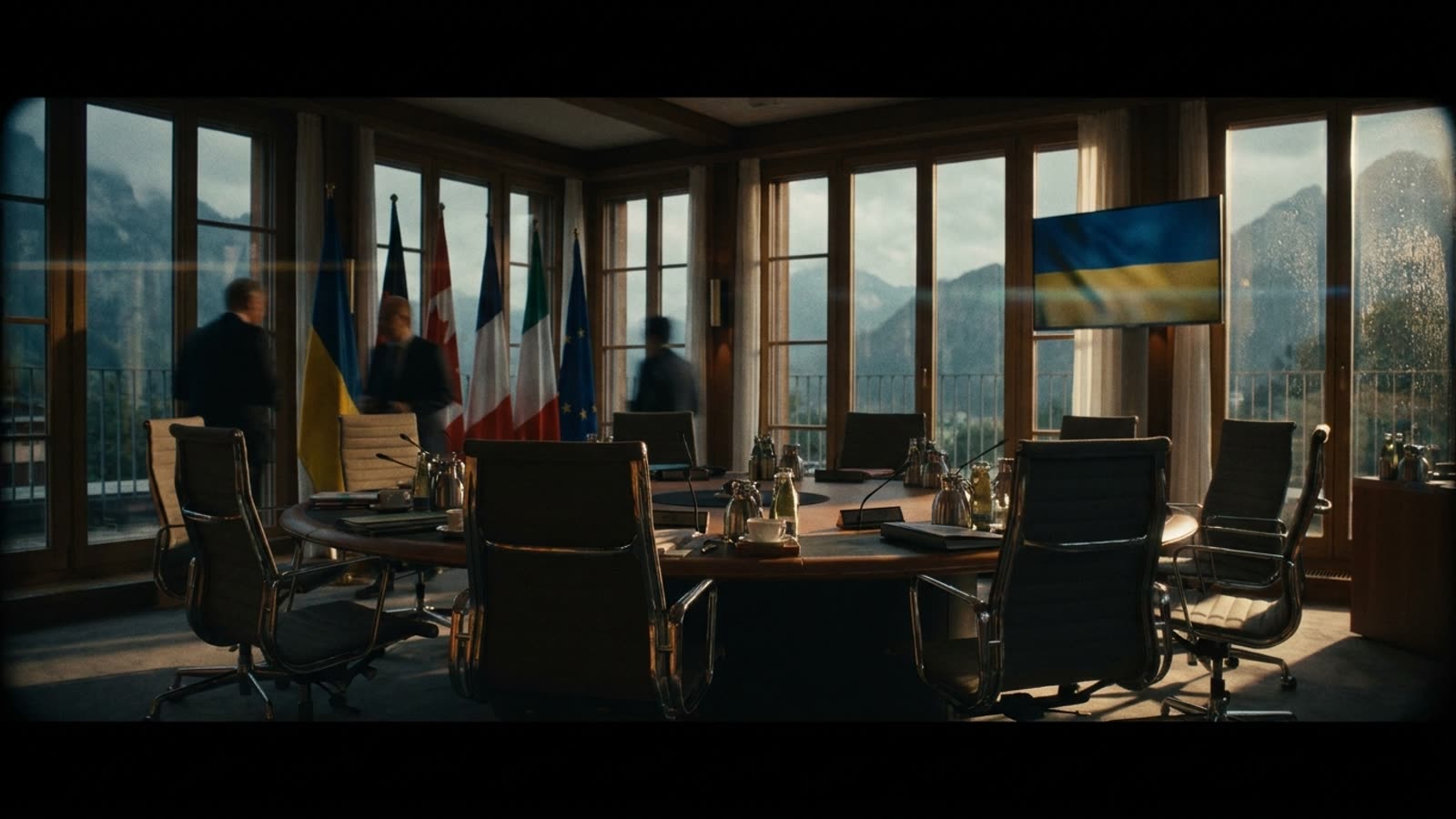
The geopolitical whiplash of the past week has produced an outcome few anticipated: Donald Trump, fresh from his Iran ceasefire, is now publicly warming to Ukraine's maximalist war aims against Russia, even as his administration's actual policy remains characteristically opaque.
At the G7 summit in the French Alps, Trump told reporters he is "the boss" of the Western alliance—a claim that would normally provoke eye-rolls from European capitals but which, in the current moment, carries genuine strategic weight. Having just delivered an Iran deal that defied skeptics, Trump appears eager to notch another foreign policy win before the 2026 midterms. Ukraine, long an afterthought in his diplomatic calculus, has suddenly become interesting again.
The European calculation
French and German officials have spent the summit threading a needle: praising Trump's Iran diplomacy effusively enough to keep him engaged while steering conversations toward Ukraine. The strategy appears to be working, at least rhetorically. Trump's comments about supporting Ukraine's territorial ambitions mark a notable shift from his campaign-trail skepticism about open-ended military aid.
The Europeans understand something Trump's domestic critics often miss: his vanity is a feature, not a bug, when it comes to alliance management. A president who craves credit for ending wars can be nudged toward policies that might actually end them—provided he believes the glory will be his.
Moscow's dilemma
The Kremlin finds itself in an awkward position. Trump publicly thanked both Xi Jinping and Vladimir Putin for remaining "neutral" during the Iran conflict, a framing that flatters Moscow's self-image as a great power broker. But the same summit that produced those thanks also generated the most hawkish American rhetoric on Ukraine in months.
Russian state media has struggled to reconcile these signals. The prevailing interpretation in Moscow appears to be that Trump's Ukraine comments are performative—red meat for European allies rather than a genuine policy shift. This may prove correct. It may also prove dangerously complacent.
The Zelensky factor
Ukraine's president was not at the G7, but his shadow loomed over every bilateral meeting. European leaders arrived with a coordinated message: the Iran deal demonstrated Trump's capacity for bold diplomacy; now apply that same energy eastward. Whether Zelensky can convert this moment into concrete military commitments remains uncertain. Trump's attention span for any single issue is notoriously brief, and the midterm campaign will soon consume Washington's bandwidth entirely.
Our take
Trump stumbling into useful Ukraine policy would be the most 2026 outcome imaginable. The man who once suggested Kyiv simply surrender territory now speaks of supporting its war aims, not because he has developed a sophisticated understanding of European security architecture, but because he wants another trophy. Sometimes that is enough. The Europeans, to their credit, have learned to work with the president they have rather than the one they wish they had. If Trump's ego can be harnessed to deliver weapons and diplomatic pressure on Moscow, the method matters less than the result.