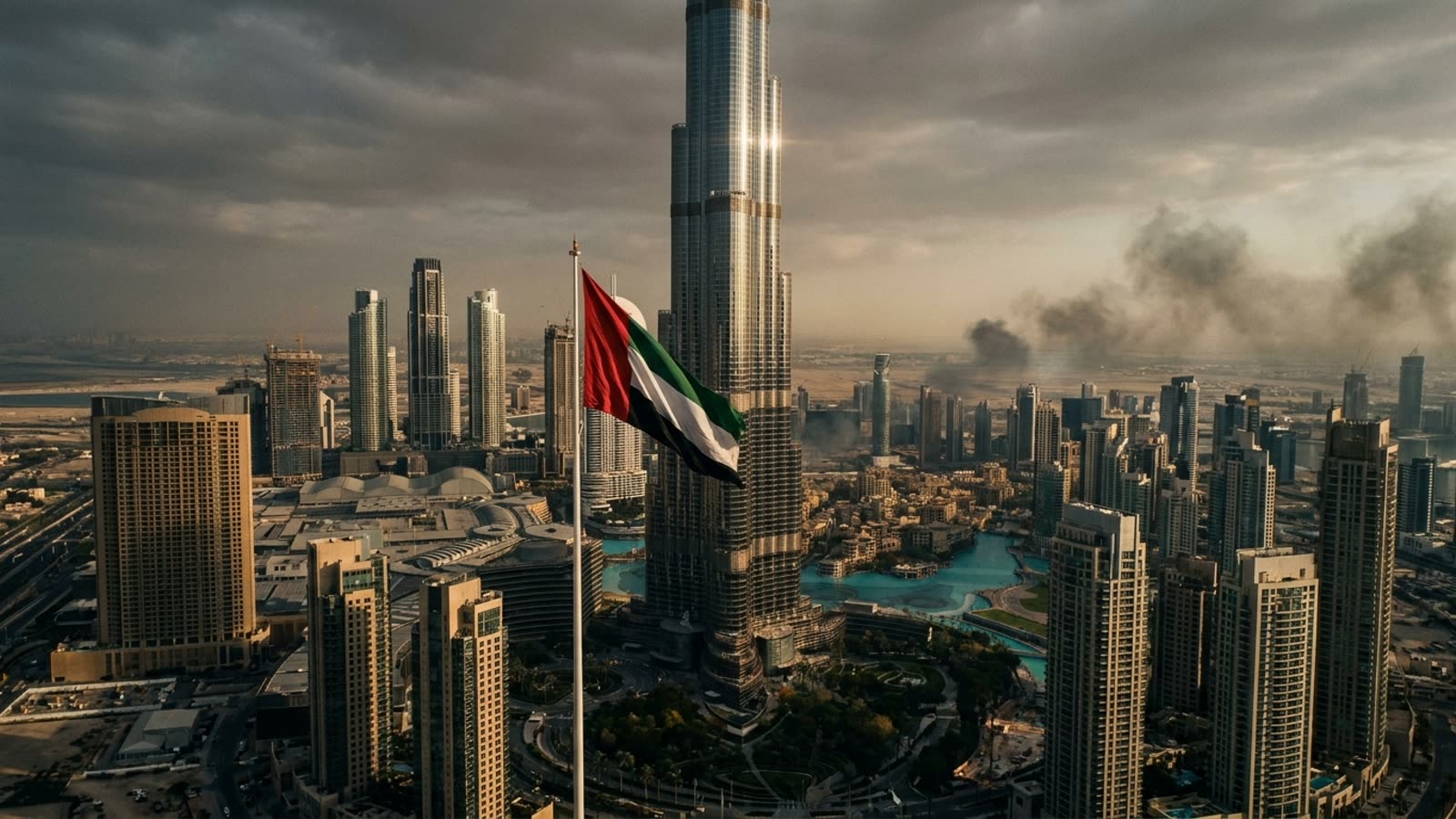
The fire is out, the radiation levels are normal, and no one was hurt. By the narrow metrics of immediate crisis management, the drone strike on the UAE's Barakah nuclear power plant looks like a near-miss that became a non-event. But for the Gulf states racing to diversify their economies before the oil age ends, the attack represents something far more troubling: a proof of concept.
Barakah is not just a power station. Opened in 2020 and now operating four reactors, it supplies roughly a quarter of Abu Dhabi's electricity and stands as the flagship of the UAE's clean-energy ambitions. It is also, as of this weekend, the first operational nuclear facility in the Middle East to come under direct military attack since Israel bombed Iraq's Osirak reactor in 1981.
The vulnerability calculus
The UAE has not attributed the strike, though the Houthi movement in Yemen has previously claimed drone attacks on Emirati territory. What matters more than attribution, for now, is what the incident reveals about asymmetric risk. A drone cheap enough to be expendable can threaten infrastructure worth billions—and the reputational damage travels further than any debris.
Insurers and investors will be recalculating. The Gulf's sovereign wealth funds have poured hundreds of billions into tourism, logistics, and advanced manufacturing on the premise that the region is stable enough to attract global capital. That premise just got a stress test.
The post-oil paradox
The irony is sharp: the UAE built Barakah precisely to reduce its dependence on hydrocarbons and the geopolitical entanglements they bring. Nuclear power was supposed to be the hedge against a volatile oil market and the carbon constraints of a warming planet. Instead, it has created a new category of target—one that adversaries can threaten without triggering the catastrophic escalation that an attack on oil fields might invite.
Saudi Arabia's Vision 2030, Qatar's World Cup-era infrastructure binge, and the UAE's own transformation into a finance and logistics hub all rest on the same bet: that the Gulf can become indispensable to the global economy in ways that transcend fossil fuels. Barakah was evidence of that bet paying off. Now it is evidence of its limits.
Our take
The UAE will frame this as a success story—containment worked, safety systems held, life goes on. And technically, that is true. But the strategic picture is darker. The Gulf states have spent a generation building gleaming cities and world-class infrastructure on the assumption that deterrence and diplomacy would keep the missiles and drones at bay. This weekend, a single strike punctured that assumption without causing a single casualty. The next one might not be so forgiving, and the insurance premiums on the post-oil dream just went up.