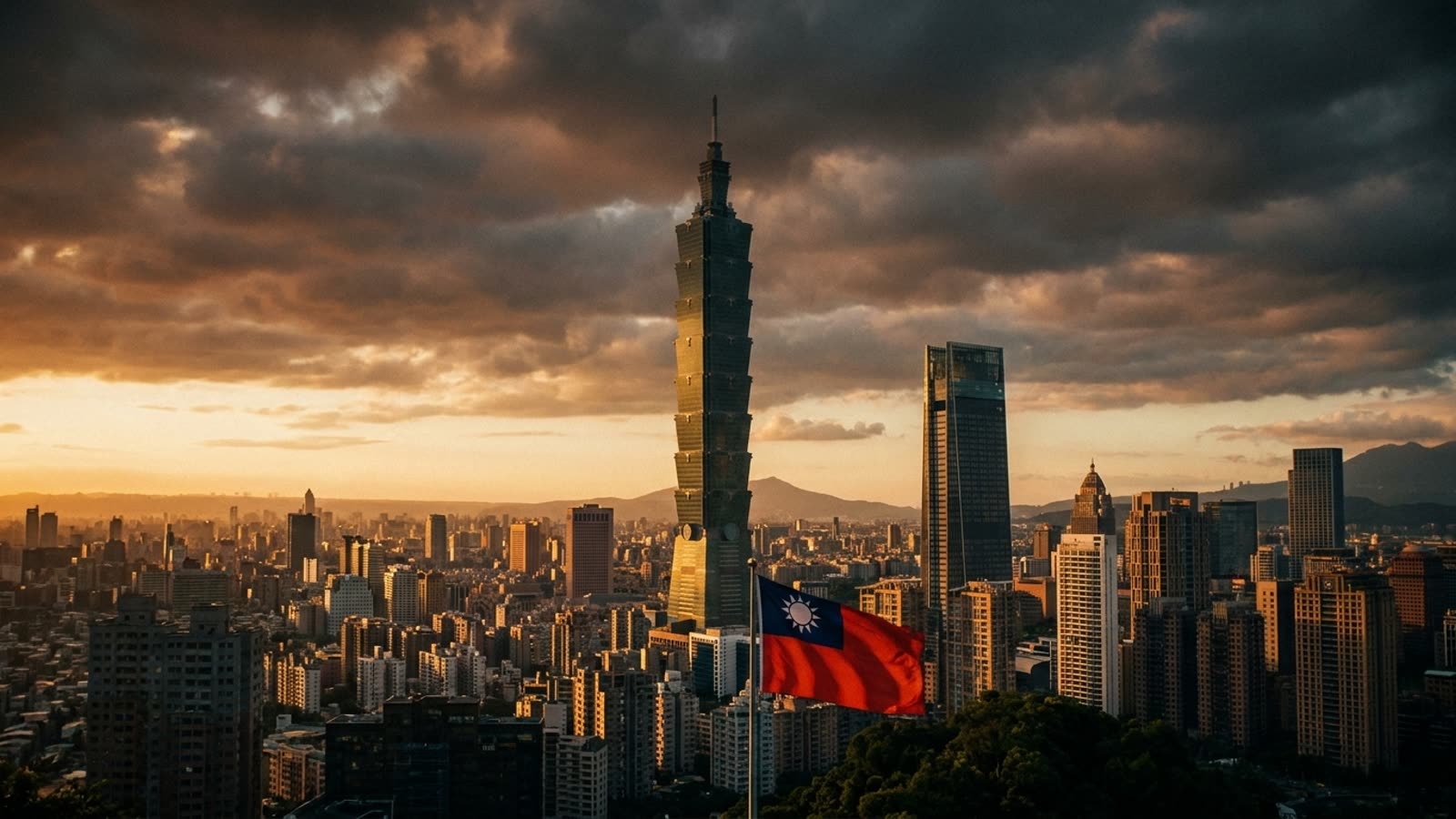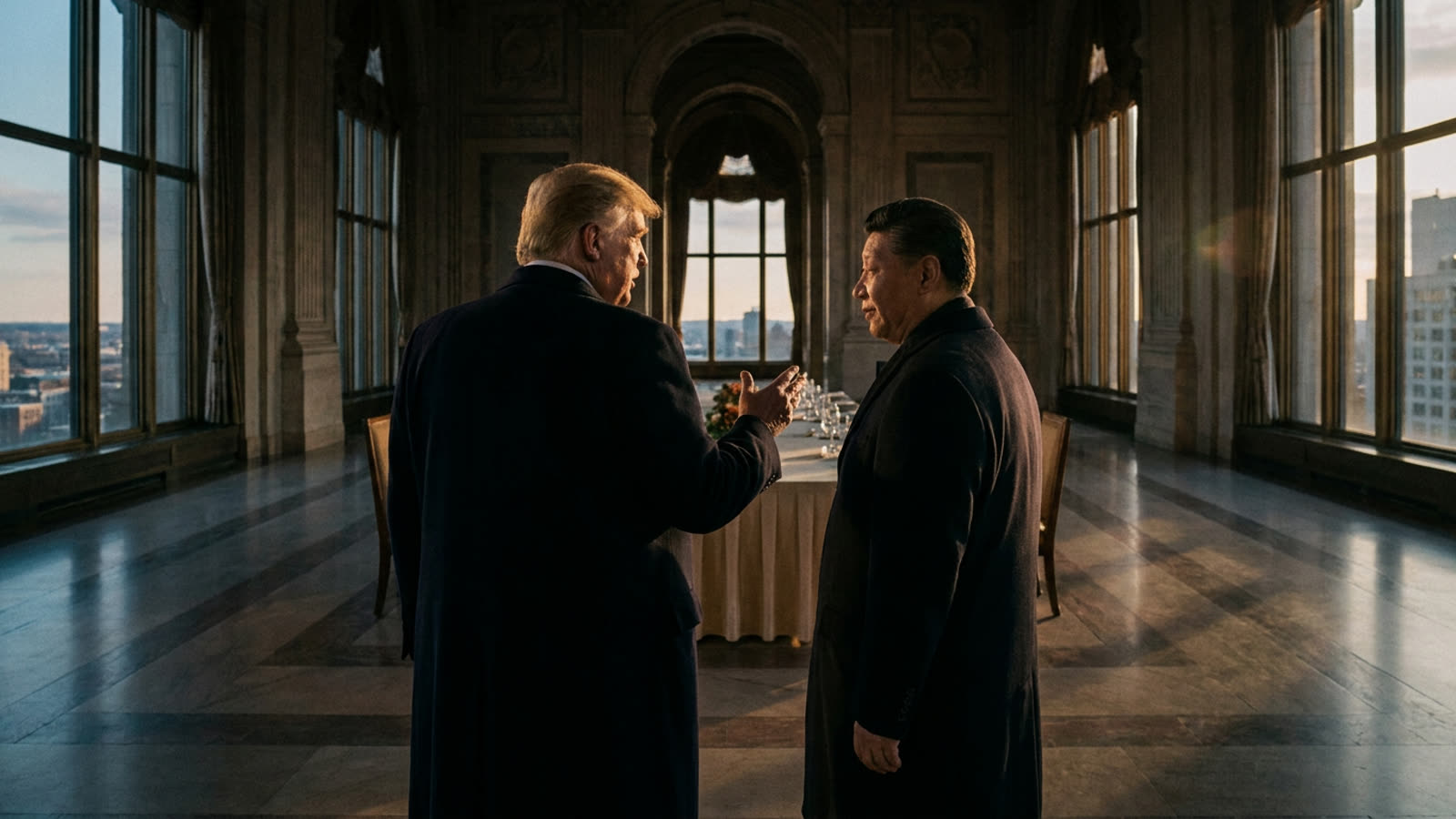
The last time an American president visited Beijing with this much at stake, Richard Nixon was shaking hands with Mao. Donald Trump's imminent summit with Xi Jinping lacks that era's ideological drama, but the geopolitical math is no less consequential. The United States arrives weakened by an open-ended war in the Middle East, a defence budget under strain, and a tariff regime that has demonstrably failed to dent China's manufacturing dominance. China, meanwhile, arrives with a 14 percent year-on-year surge in exports and a leader who has spent a decade building—and then quietly purging—the generals meant to rival the Pentagon. Both men need something from the other. That mutual vulnerability, paradoxically, is what makes a meaningful agreement possible.
The leverage has shifted
Washington's negotiating position in 2018 rested on the assumption that economic pressure would force Beijing to bend. Eight years later, the evidence is damning: American tariffs have reshuffled supply chains but not shrunk China's trade surplus, which remains robust enough to fund military modernisation and Belt-and-Road diplomacy simultaneously. Meanwhile, the Iran conflict has exposed the limits of American bandwidth. The Pentagon is firing on tankers in the Gulf while trying to deter Chinese naval exercises near Taiwan—a two-front posture that strategists have warned against for decades. Trump needs breathing room; Xi can offer it, at a price.
What a 'grand bargain' might contain
Expectations in both capitals are officially modest, but the phrase "grand bargain" keeps surfacing in background briefings. The contours are hazy: some relaxation of tech export controls in exchange for Chinese pressure on Tehran; a tacit understanding on Taiwan that neither side will publicly acknowledge; perhaps a currency stabilisation pact dressed up as trade rebalancing. None of this would resolve the structural rivalry between the two economies, but it could buy both leaders domestic wins. Trump gets to claim he ended the tariff war on favourable terms; Xi gets to show that China can negotiate as an equal, not a supplicant.
The trust deficit
The obstacle is not ideology but credibility. Xi has spent the past year purging his own military brass, a campaign that suggests deep unease about internal loyalty even as he projects strength abroad. Trump, for his part, has a documented habit of reversing course on foreign agreements when political winds shift. Any deal will require verification mechanisms that neither side is culturally inclined to accept. The summit may produce a communiqué full of aspirational language and a handshake photo—valuable, but not the same as a durable settlement.
Our take
The most likely outcome is a détente of exhaustion rather than a partnership of conviction. Both leaders are pragmatists masquerading as nationalists, and both face domestic pressures that make confrontation costlier than compromise. A grand bargain would be historic; a modest truce would still be useful. The danger is that either man mistakes a pause for a resolution—and that the underlying competition, unaddressed, simply migrates to new arenas.