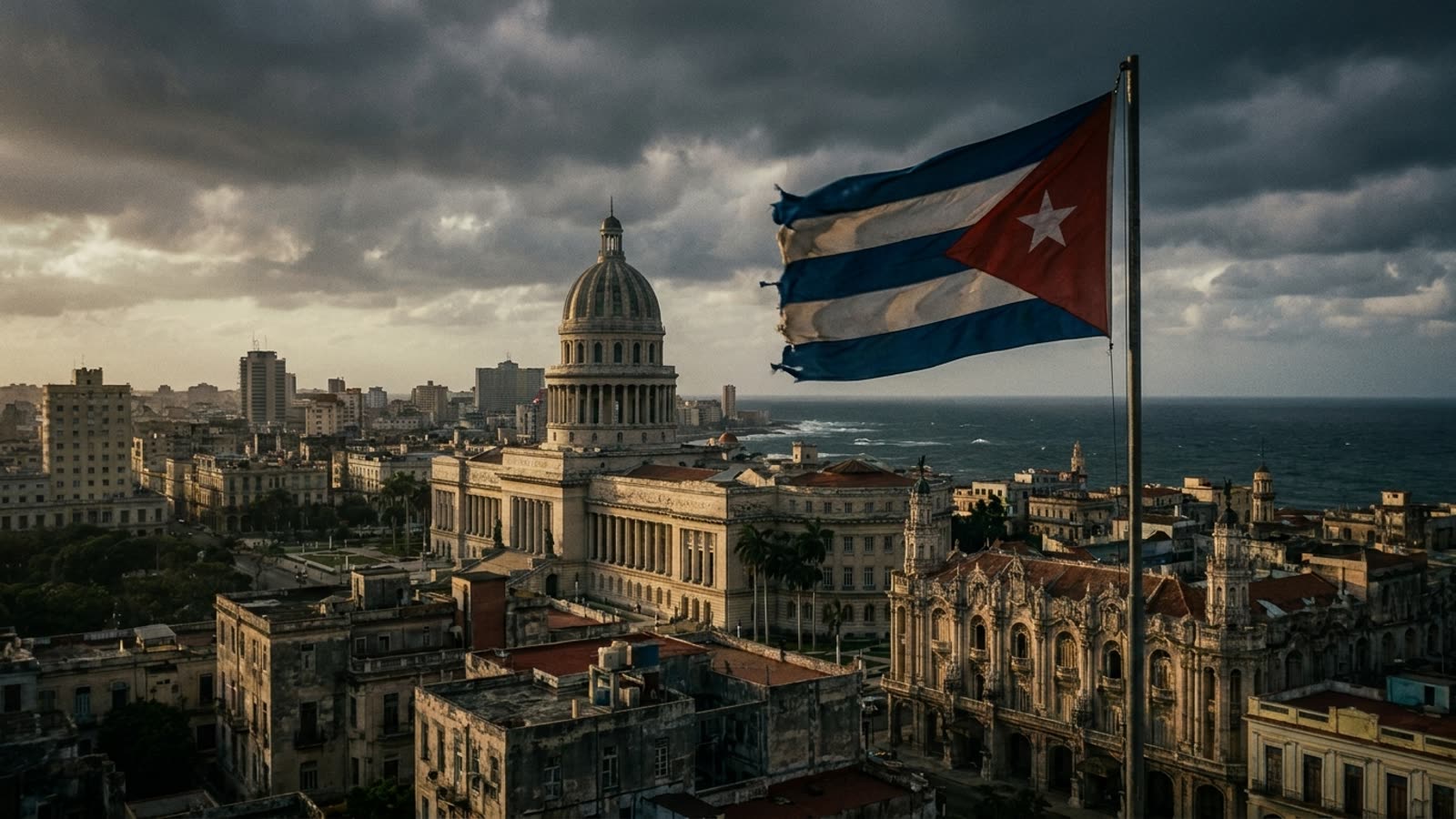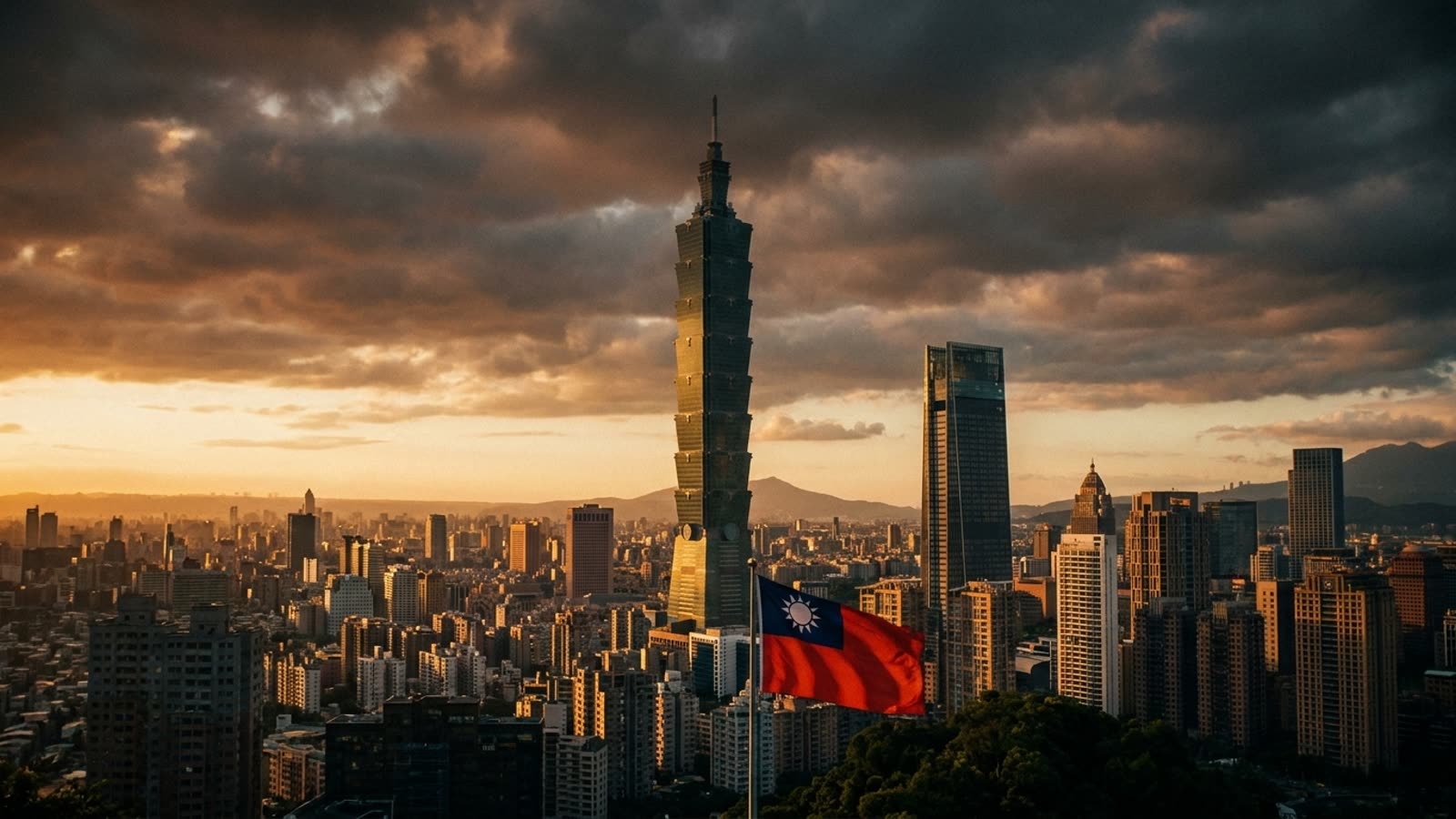
The last time an American president spoke directly with a Taiwanese leader, it was Donald Trump in 2016—as president-elect, not commander-in-chief, and even that ten-minute courtesy call with Tsai Ing-wen sent Beijing into a carefully calibrated fury. Now Trump has announced he intends to do it again, this time from the Oval Office, with all the weight of American executive power behind the gesture. The One-China policy, that elegant diplomatic fiction that has kept the Taiwan Strait from becoming a shooting war since 1979, is about to be tested in a way its architects never anticipated.
The policy has always been a masterpiece of creative ambiguity. Washington "acknowledges" Beijing's position that Taiwan is part of China without actually endorsing it, sells Taipei weapons while refusing to recognize it as a sovereign state, and maintains unofficial relations through a nominally private organization called the American Institute in Taiwan. Everyone pretends not to notice the contradictions because noticing them would require doing something about them.
The strategic calculation
Trump's announcement arrives at a moment of maximum tension. Beijing has accelerated its military modernization timeline, with Pentagon assessments now suggesting the People's Liberation Army could attempt a Taiwan operation by 2027. Chinese aircraft and naval vessels probe Taiwan's air defense identification zone almost daily. The question for the White House is whether a presidential call strengthens deterrence by signaling unambiguous American commitment, or whether it backs Xi Jinping into a corner where inaction becomes politically impossible.
The Taiwan Relations Act of 1979 commits the United States to provide Taiwan with defensive arms and to maintain the capacity to resist any resort to force that would jeopardize Taiwan's security. It does not commit Washington to direct military intervention, and every administration since Carter has preserved that ambiguity deliberately. A presidential call does not change the law, but it changes the politics—both in Beijing, where hardliners will demand a response, and in Taipei, where it may encourage a more assertive posture than Washington actually intends to backstop.
What Beijing hears
Chinese officials have long maintained that Taiwan is the single issue on which compromise is impossible. The Communist Party's legitimacy rests in part on the promise of eventual reunification; no Chinese leader can be seen to accept permanent separation. A direct presidential call would be interpreted in Beijing not as a negotiating tactic but as a declaration that the United States has abandoned the framework that made coexistence possible.
The likely response would be calibrated but unmistakable: military exercises that dwarf the 2022 drills following Nancy Pelosi's visit, economic pressure on American companies with China exposure, and possibly a freeze on the limited diplomatic cooperation that still exists on issues like fentanyl precursors and climate. None of this would be war, but all of it would make war more imaginable.
Our take
Strategic ambiguity has survived because it allowed all parties to defer the question they could not answer. Trump's call, if it happens, would not answer that question either—but it would make clear that America is no longer willing to pretend the question does not exist. That may be honest. It may even be necessary, given the trajectory of Chinese military power. But honesty and necessity are not the same as wisdom, and the distance between a phone call and a crisis in the Taiwan Strait is shorter than anyone in Washington seems willing to admit.