The American presidency has hosted state dinners, jazz concerts, and the occasional Easter egg roll. It has never, until now, contemplated cage fighting in the Rose Garden.
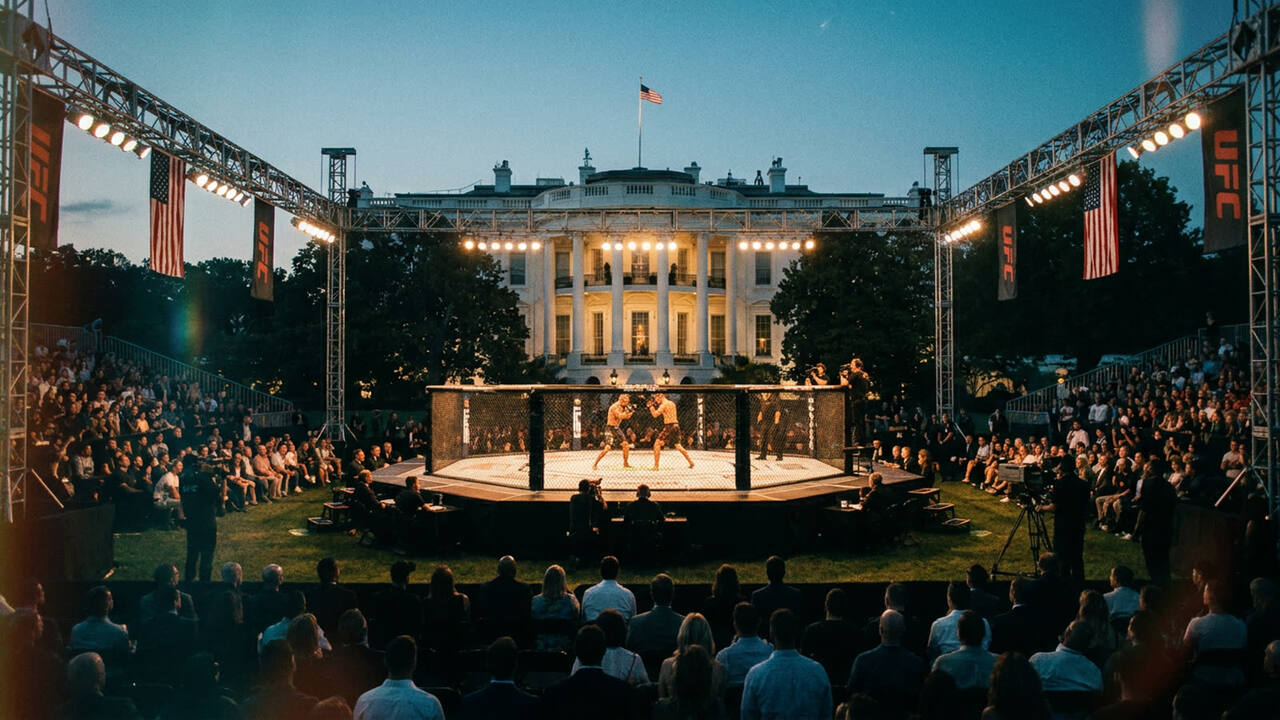
President Trump's announced plan to stage a Ultimate Fighting Championship event on White House grounds—reportedly scheduled for later this summer—has prompted a federal lawsuit seeking an emergency injunction. The plaintiffs, a coalition of government ethics watchdogs and D.C. residents, argue that using the executive mansion for a commercial pay-per-view spectacle violates both the Emoluments Clause and the public trust doctrine governing federal property. The administration counters that the president enjoys broad discretion over White House events and that the UFC card would celebrate American athletic achievement.
The legal terrain
The lawsuit faces steep procedural hurdles before reaching its constitutional questions. Plaintiffs must first establish standing—demonstrating concrete injury from an event that hasn't occurred. Courts have historically been reluctant to enjoin presidential actions absent clear statutory violations, and the Supreme Court's 2020 dismissal of emoluments cases against Trump during his first term left the doctrine's boundaries frustratingly undefined.
Yet the factual posture differs meaningfully from those earlier disputes. The emoluments litigation concerned foreign governments patronizing Trump hotels—a commercial relationship at one remove from official acts. Here, the White House itself becomes the venue, with UFC's parent company reportedly paying an undisclosed facility fee. If money changes hands for access to federal property, the transaction looks less like presidential discretion and more like a lease arrangement that would ordinarily require congressional authorization.
The spectacle calculus
Trump's affinity for UFC is well-documented; he has attended dozens of events and counts CEO Dana White among his closest allies. The political logic of hosting a fight at the White House is characteristically Trumpian: generate massive media attention, reward a loyal supporter's business, and force opponents into the uncomfortable position of appearing to oppose popular entertainment.
The gambit also carries risks. Images of bloodied fighters on the South Lawn could alienate suburban voters already skeptical of the administration's tone, and corporate sponsors may hesitate to associate their brands with the controversy. UFC has not confirmed the event or released a fight card, suggesting negotiations remain fluid.
Our take
The lawsuit will probably fail on standing grounds, and the fight—if it happens—will proceed amid the usual cycle of outrage and counter-outrage. But the episode reveals something genuine about the current constitutional moment: the norms that once cabined presidential conduct have eroded to the point where courts are asked to adjudicate whether cage fighting at the White House is permissible. The answer, legally, is probably yes. Whether it should be is a question the judiciary cannot answer and voters seem disinclined to ask.