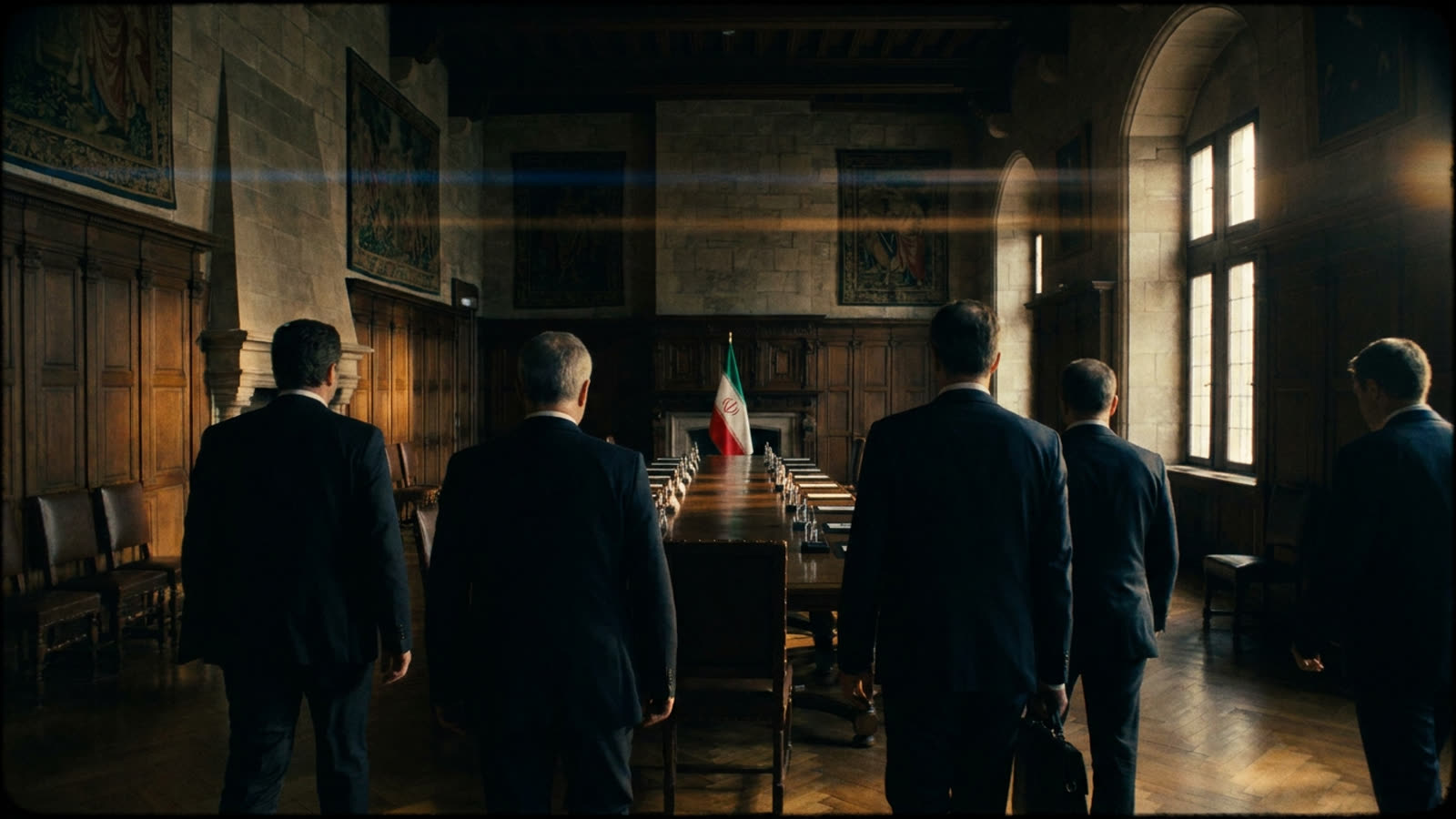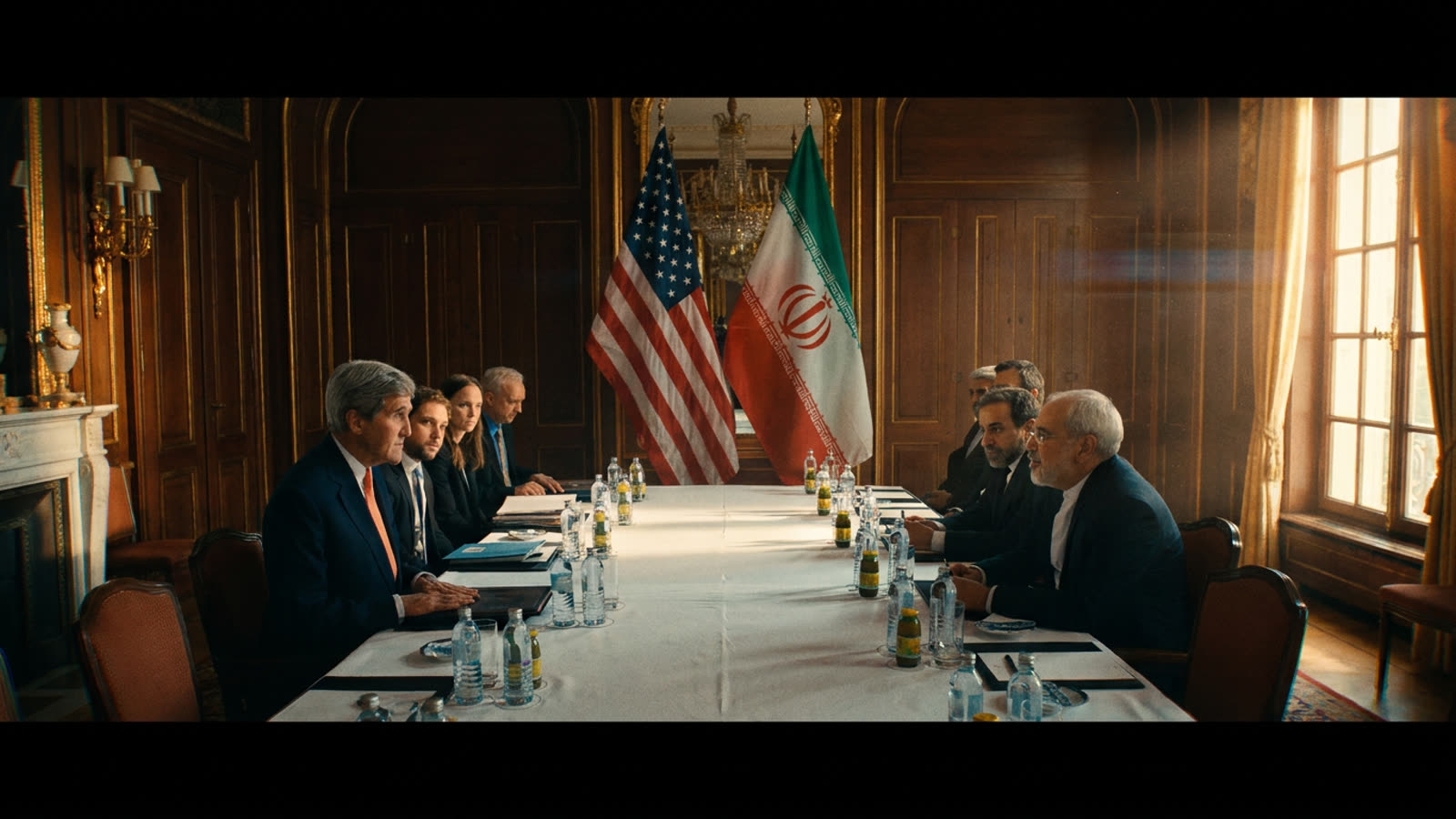
The Trump administration is steering toward the off-ramp in Iran, but the road ahead is full of potholes that no amount of diplomatic optimism can pave over.
After months of escalating military engagement and sanctions whiplash, Washington is now openly telegraphing its desire for a negotiated end to hostilities. Pakistan's prime minister added fuel to the speculation this weekend, suggesting a peace deal is within reach. Markets responded with cautious enthusiasm; oil tumbled, Bitcoin rallied. The message from traders was clear: they want to believe.
The negotiating table's missing legs
The fundamental challenge is that any durable settlement requires agreement not just between Washington and Tehran, but among a constellation of regional actors with divergent interests. Israel, which has already clashed publicly with the administration over the pace of de-escalation, remains skeptical that Iran can be trusted to honor nuclear commitments. Gulf states want security guarantees that may prove incompatible with the sanctions relief Tehran demands. And Iran's fractured domestic politics—where hardliners and reformists are locked in perpetual struggle—make it unclear who can actually deliver on any promises made.
The administration's recent friction with Benjamin Netanyahu over a Beirut strike underscored the limits of American leverage even among allies. If Washington cannot coordinate with Jerusalem on tactical questions, the prospect of enforcing a comprehensive regional settlement looks dim.
The nuclear question refuses to stay buried
Iran's nuclear stockpile remains the elephant in every negotiating room. Years of enrichment have given Tehran a latent breakout capability that no amount of inspections can fully neutralize. The administration must decide whether it can live with an Iran that is perpetually months away from a weapon, or whether it will insist on dismantlement that Tehran has never been willing to accept.
Previous deals—most notably the 2015 JCPOA—foundered on precisely this ambiguity. The Trump administration, having withdrawn from that agreement during the president's first term, now finds itself negotiating from a position that is simultaneously stronger militarily and weaker diplomatically. Allies who were burned once are reluctant to invest political capital in a framework that could be abandoned again.
Domestic politics on both sides
In Washington, any deal will face scrutiny from a Congress that has grown more hawkish on Iran across both parties. The administration's willingness to lift sanctions—already partially implemented for European allies—will be framed by opponents as capitulation. In Tehran, the regime must sell any agreement to a population exhausted by economic hardship but deeply suspicious of American intentions.
The timing is also awkward. With the president's 80th birthday dominating headlines and a UFC spectacle on the White House lawn capturing the nation's attention, the administration's bandwidth for delicate diplomacy is not obviously abundant.
Our take
Trump's instinct to exit foreign entanglements is consistent and, in many cases, defensible. But wanting out is not the same as getting out cleanly. The Iran file is a reminder that wars are easier to start than to end, and that the pursuit of a headline-ready deal can produce agreements that collapse under their own contradictions. If the administration is serious about a settlement that lasts beyond the next news cycle, it will need to invest the kind of patient, unglamorous diplomacy that has never been this White House's strong suit.