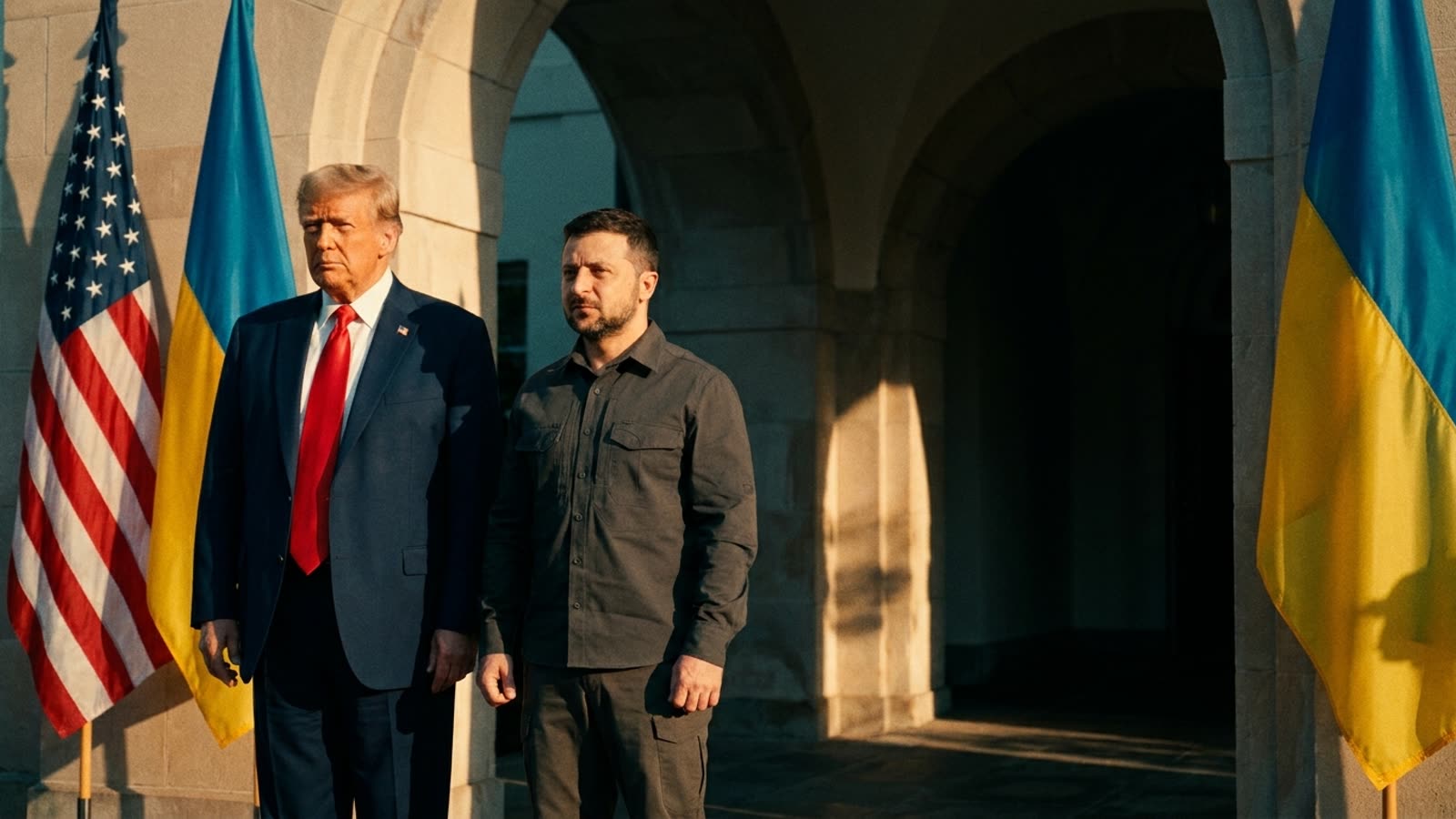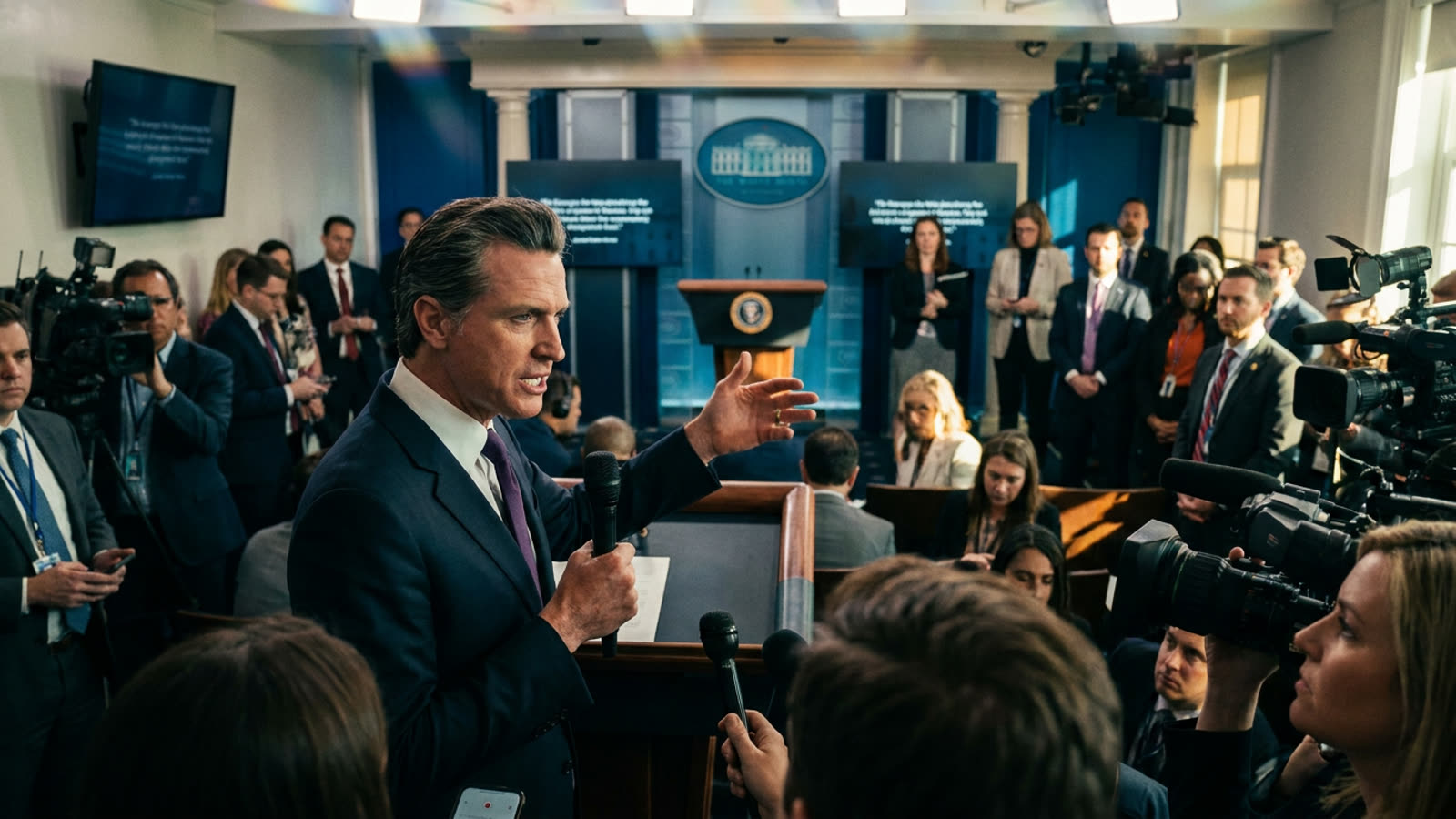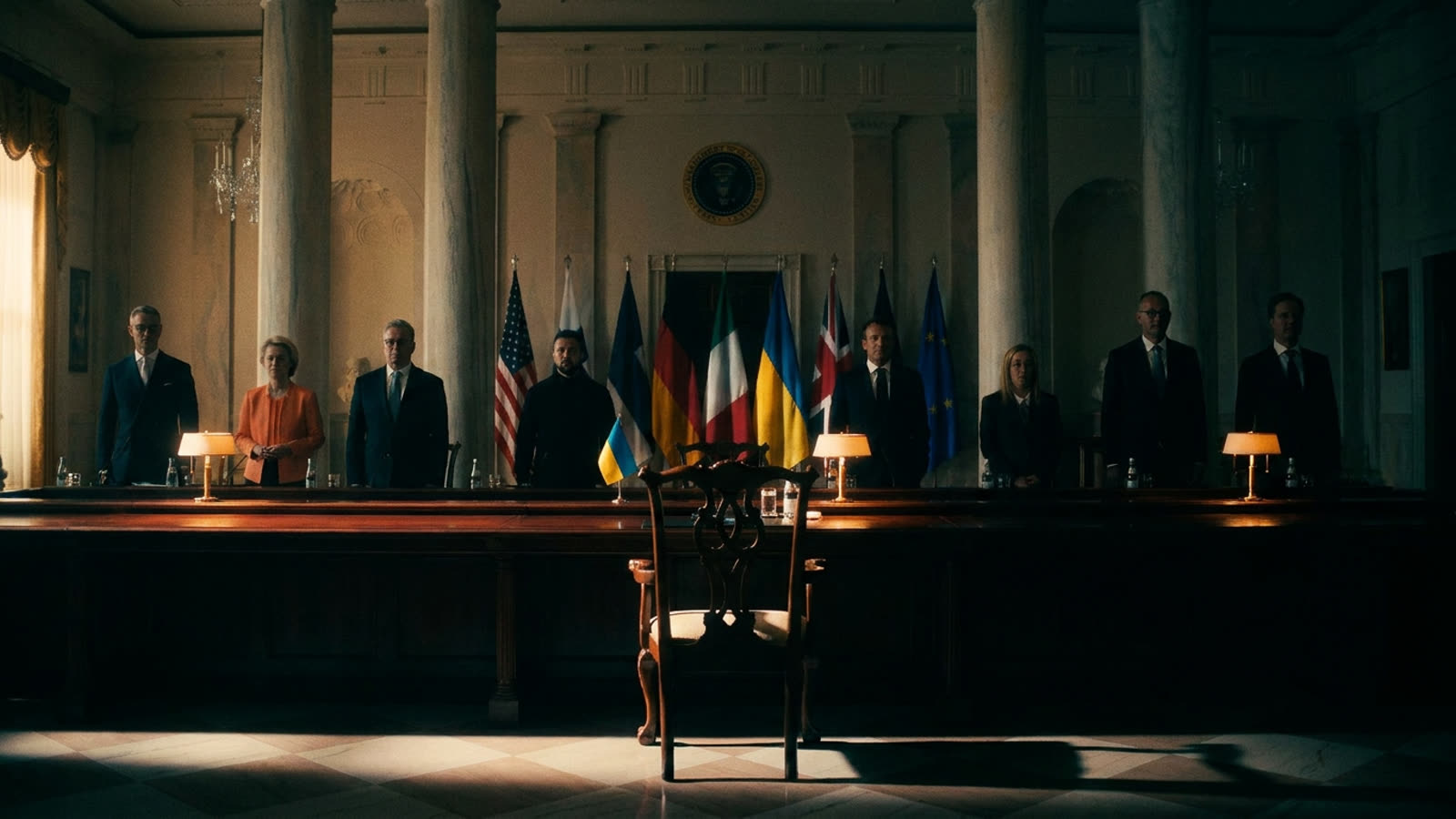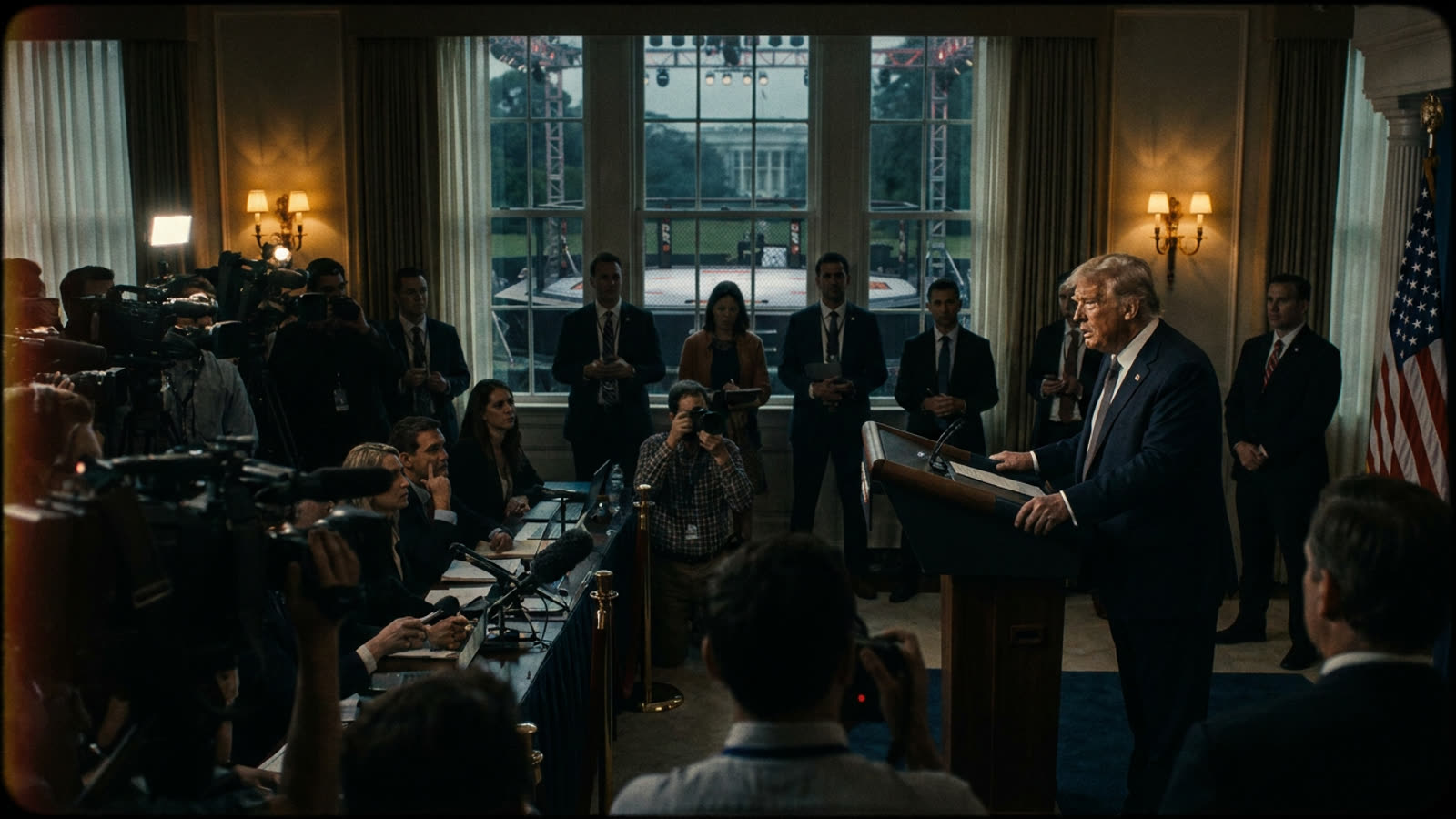
Donald Trump has spent his political career insisting he alone can fix what others bungled. This weekend at the G7 summit in Canada, he got his chance to prove it—and the early returns are striking. The framework agreement with Tehran, which halts Iran's enrichment program in exchange for phased sanctions relief, represents the most consequential American diplomatic initiative since the Abraham Accords. It also carries risks that the president's victory lap is already obscuring.
The deal's architecture is unmistakably Trumpian: bilateral, transactional, and executed with minimal congressional consultation. Where the Obama-era JCPOA involved years of multilateral negotiation and a 159-page technical annex, this accord reportedly runs to fewer than twenty pages and relies heavily on personal assurances between leaders. That streamlined approach delivered speed. Whether it delivers durability is another question.
The domestic calculus
Second-term presidents often pivot to foreign policy precisely because domestic leverage erodes. Trump enters this phase with unusual assets—unified Republican government, a Supreme Court supermajority, and approval ratings that have remained stubbornly stable through controversies that would have sunk predecessors. But the Iran accord creates new vulnerabilities. Congressional Republicans who have spent two decades campaigning against Tehran's nuclear ambitions now must either embrace a deal that grants the regime significant economic relief or break publicly with a president who tolerates no dissent.
The timing compounds the difficulty. Midterm elections are seventeen months away, and Republican candidates in competitive districts will face attack ads featuring handshakes with Iranian officials. Trump's political team believes the deal's popularity will neutralize such attacks; polling suggests the public is broadly supportive of diplomatic solutions over military confrontation. But midterm electorates skew older and more hawkish than general-election voters, and the pro-Israel donor class that funds many Republican campaigns has already signaled alarm.
The implementation minefield
Every nuclear accord lives or dies in its verification provisions, and early reports suggest this one grants Iran more flexibility than nonproliferation experts typically recommend. The International Atomic Energy Agency's inspection regime remains in place, but the agreement apparently permits Tehran to continue certain research activities that critics argue could shorten breakout time if the deal collapses. Administration officials counter that the alternative—continued enrichment with no inspections—was worse. They are probably right, but "better than nothing" is a lower bar than "solved."
The regional consequences are equally complex. Gulf allies have publicly welcomed the accord while privately expressing concern about American reliability. If Washington can reverse course on Iran twice in a decade—first withdrawing from the JCPOA, then negotiating a replacement—what assurance do Riyadh or Abu Dhabi have that the next administration won't reverse course again? The answer, of course, is none, which is why the Saudis continue pursuing their own nuclear hedging strategy regardless of what happens in Geneva or Washington.
Our take
Trump deserves credit for pursuing diplomacy over confrontation, a choice that required him to override advisers who preferred maximum pressure in perpetuity. But the deal's reliance on executive authority rather than treaty ratification means it remains one election away from obsolescence—the same fragility that doomed its predecessor. The president has bought time, not peace. Whether he uses that time to build something more durable will determine whether this weekend's triumph becomes a legacy or a footnote.