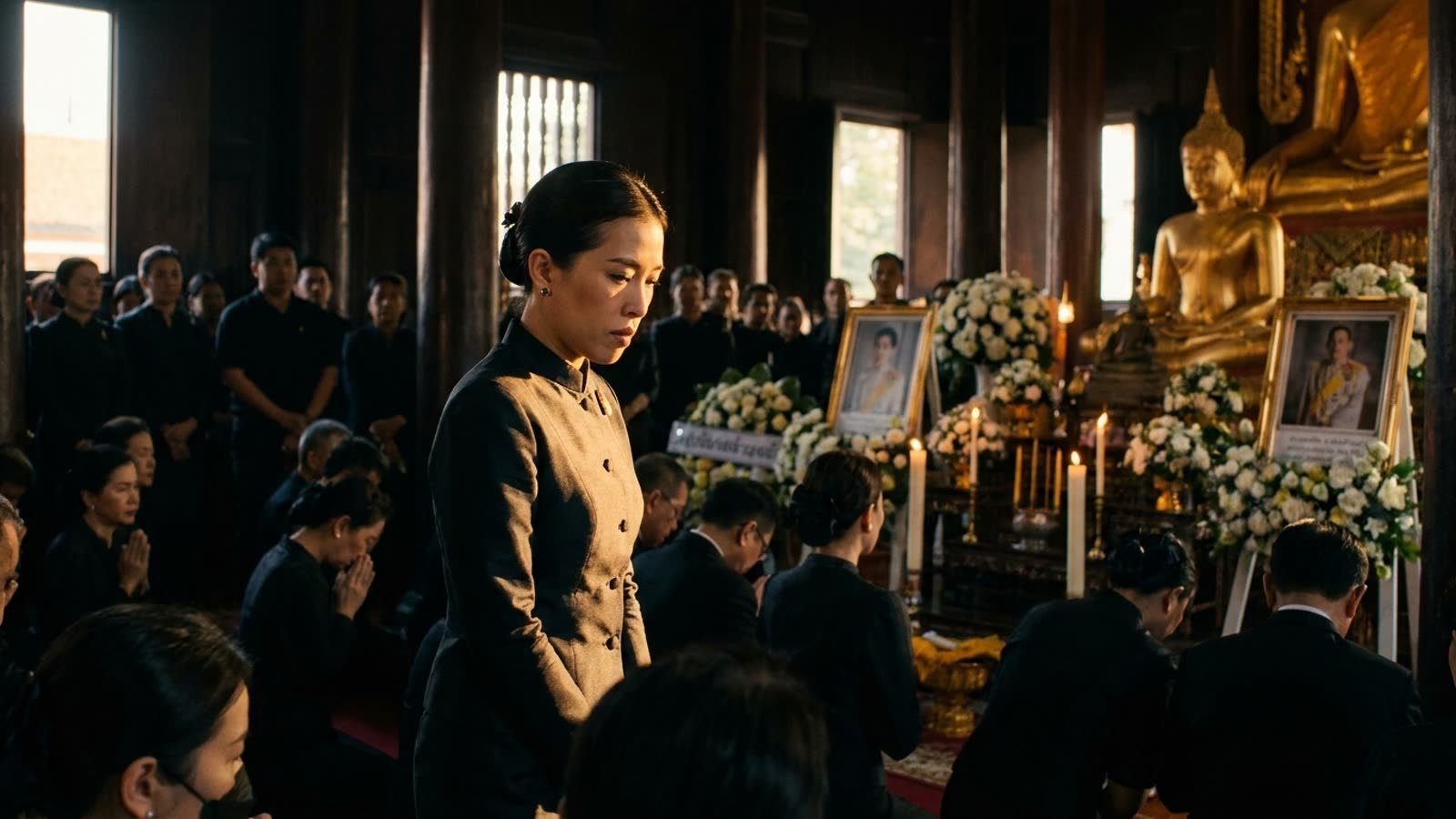
The Thai Royal Household announced Thursday that Princess Bajrakitiyabha Narendiradebyavati died at Chulalongkorn Memorial Hospital in Bangkok, ending a three-year medical ordeal that began when she collapsed during a dog-training exercise in December 2022. She was 47.
Her death removes the most palatable succession option for a monarchy that commands extraordinary reverence in Thailand but faces mounting questions about its future under her father, the polarizing King Maha Vajiralongkorn.
The princess who checked every box
Bajrakitiyabha was, by Thai royal standards, almost implausibly accomplished. A law degree from Thammasat University. A doctorate in law from Cornell. A career diplomat who served as Thailand's ambassador to Austria and permanent representative to the United Nations in Vienna. She founded the Kamlangjai Project to support women and children in prisons, work that earned genuine international recognition rather than the ceremonial applause typically reserved for royals.
She was also, crucially, the only one of Vajiralongkorn's children born to a woman who held the title of queen at the time of birth—her mother, Somsawali, was the king's first wife. In a monarchy obsessed with legitimacy and protocol, this mattered enormously.
When she collapsed at a dog show in Nakhon Ratchasima province in December 2022, reportedly from a mycoplasma infection that caused severe heart arrhythmia, the palace initially released sparse information. Over three years, occasional updates confirmed she remained unconscious, her condition stable but unimproved. The silence was deafening in a country where discussing royal health—or royal anything—carries legal risk under the world's strictest lèse-majesté laws.
A succession nobody wants to discuss
Thailand's 1924 Palace Law of Succession grants the reigning monarch broad discretion in naming an heir. Vajiralongkorn, now 73, has not publicly designated one. His only son, Prince Dipangkorn Rasmijoti, is 19 and has spent most of his life in Germany, reportedly receiving treatment for developmental challenges that the palace has never officially acknowledged.
The king's two other daughters—Princesses Sirivannavari and Bajrakitiyabha's younger half-sister Sirindhorn—occupy different positions. Sirivannavari, 38, is known primarily as a fashion designer. Princess Sirindhorn, technically the king's aunt's generation in royal terms, is deeply beloved but has never been considered a direct heir.
Bajrakitiyabha represented a path forward that Thai royalists and the military establishment could embrace: educated, dignified, domestically focused, and free of the scandals that have periodically embarrassed her father. Her death forecloses that option.
Our take
Thailand's monarchy operates under a legal and cultural framework that makes honest public discussion essentially impossible. What can be said is this: Princess Bajrakitiyabha was the rare royal who appeared to earn her respect rather than merely inherit it. Her death is a personal tragedy for her family and a genuine loss for the Thai causes she championed. It is also, whether Bangkok acknowledges it or not, a succession crisis deferred but not resolved. The monarchy that emerged from the 2014 coup and the 2016 death of the universally revered King Bhumibol now faces its future with fewer options and more uncertainty than at any point in modern Thai history.