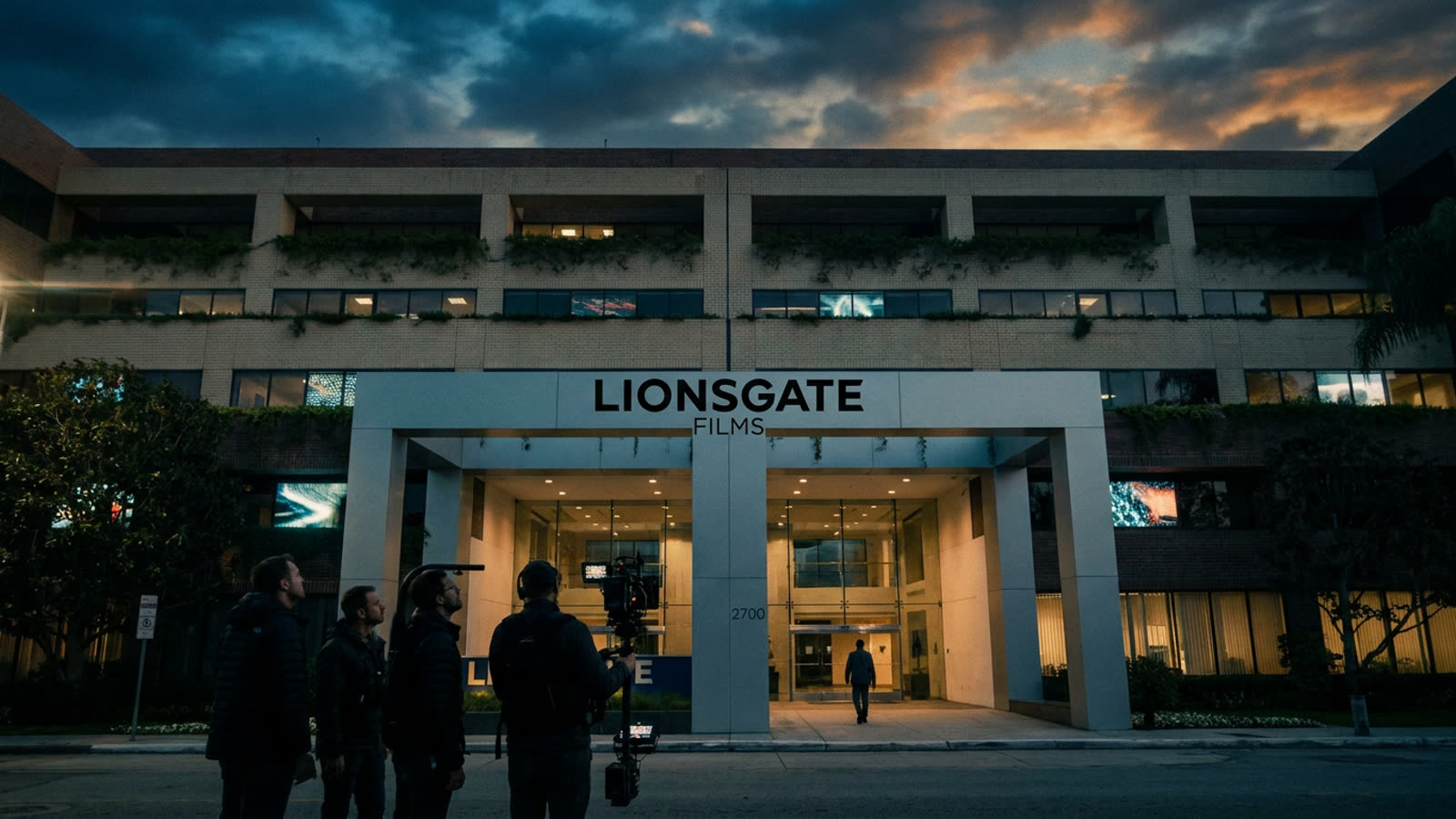
Lionsgate has done what the major studios have been too cautious—or too politically exposed—to do publicly: formalize a partnership with an AI company to generate film and television content. The deal with Runway, announced this week, will train custom AI models on Lionsgate's library and deploy them across production workflows. It is either a shrewd play by a nimble mid-major or the beginning of a very expensive mistake.
The studio behind John Wick, The Hunger Games, and Saw has never been confused with a prestige operation. Lionsgate has survived by being faster and cheaper than the majors, willing to bet on genre fare and franchise sequels while Disney and Warner Bros. chase tentpoles. That scrappy identity makes this partnership legible: if AI can shave weeks off pre-production or generate concept art at a fraction of the cost, Lionsgate wants the advantage before its larger competitors figure out how to navigate the politics.
The Runway proposition
Runway has positioned itself as the serious player in generative video, distinct from the novelty-clip generators flooding social media. Its Gen-3 model produces footage that, while still imperfect, has crossed into genuinely useful territory for mood boards, storyboards, and rapid prototyping. Lionsgate's library—decades of action sequences, horror set pieces, and young-adult dystopias—offers exactly the kind of stylistically coherent training data that makes custom models viable.
The partnership reportedly covers everything from background generation to virtual location scouting. Lionsgate executives have been careful to frame this as augmentation rather than replacement, the same rhetorical move every company makes before the layoffs begin. Whether that framing survives contact with quarterly earnings pressure remains to be seen.
The guild problem
Hollywood's 2023 strikes produced contract language specifically designed to prevent this. The Writers Guild and SAG-AFTRA both secured provisions limiting AI's role in creative work, and the Directors Guild has its own protections. Lionsgate's announcement was notably vague on how the Runway tools will interact with union productions. The studio may be betting that below-the-line work—pre-visualization, location scouting, marketing materials—falls outside the most restrictive clauses. The guilds may disagree.
The timing is also notable. With the WGA contract up for renegotiation in 2026, any high-profile AI partnership becomes a data point in the coming fight. Lionsgate has handed union leadership a villain, whether or not the studio intended to play that role.
Our take
Lionsgate is doing what mid-majors have always done: moving fast while the giants are stuck in committee. The partnership will almost certainly produce cost savings in the short term and almost certainly produce a labor relations headache in the medium term. The more interesting question is whether AI-assisted production actually makes movies better or just makes them cheaper. Lionsgate's library suggests the studio has never been particularly worried about that distinction.