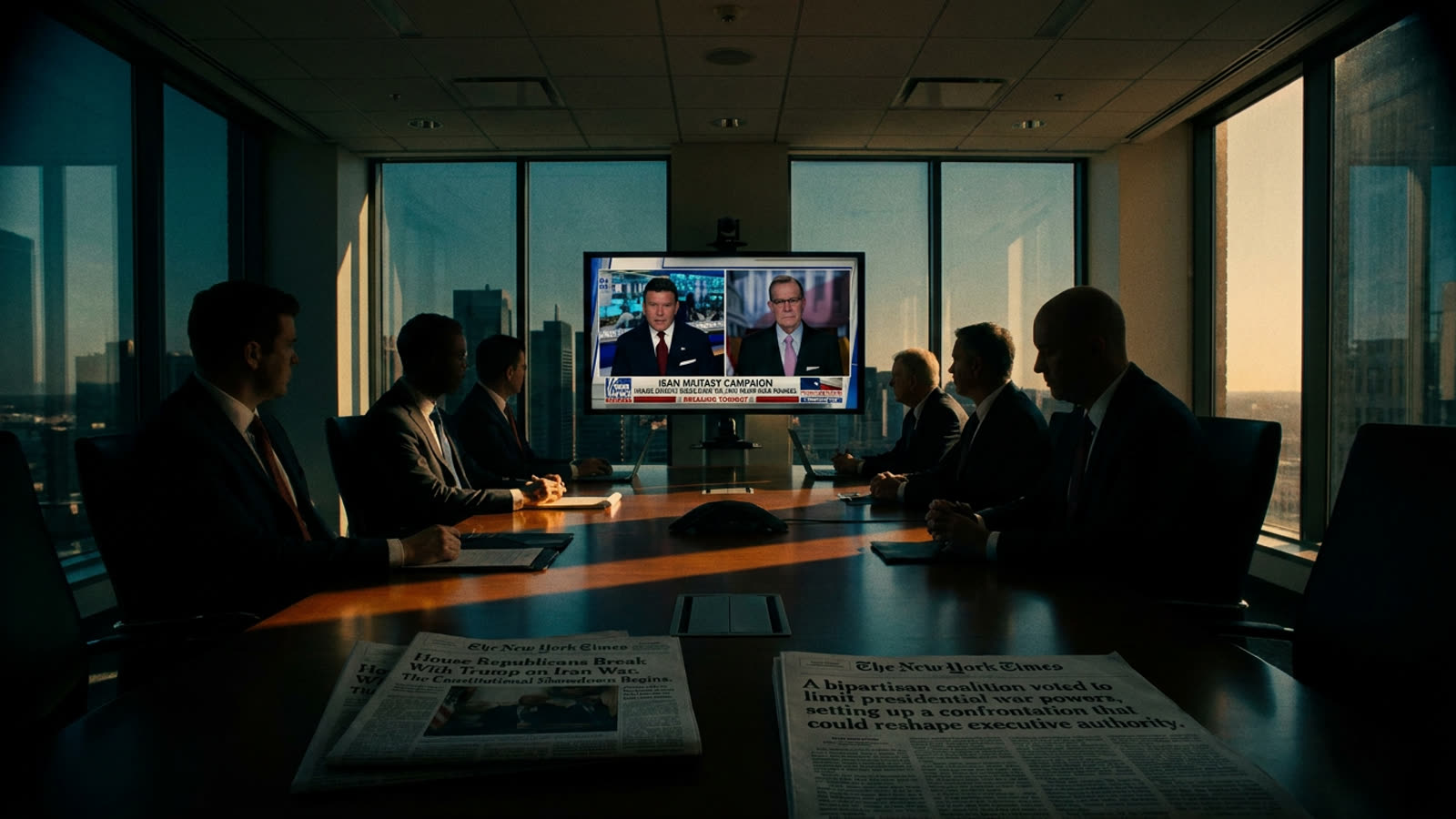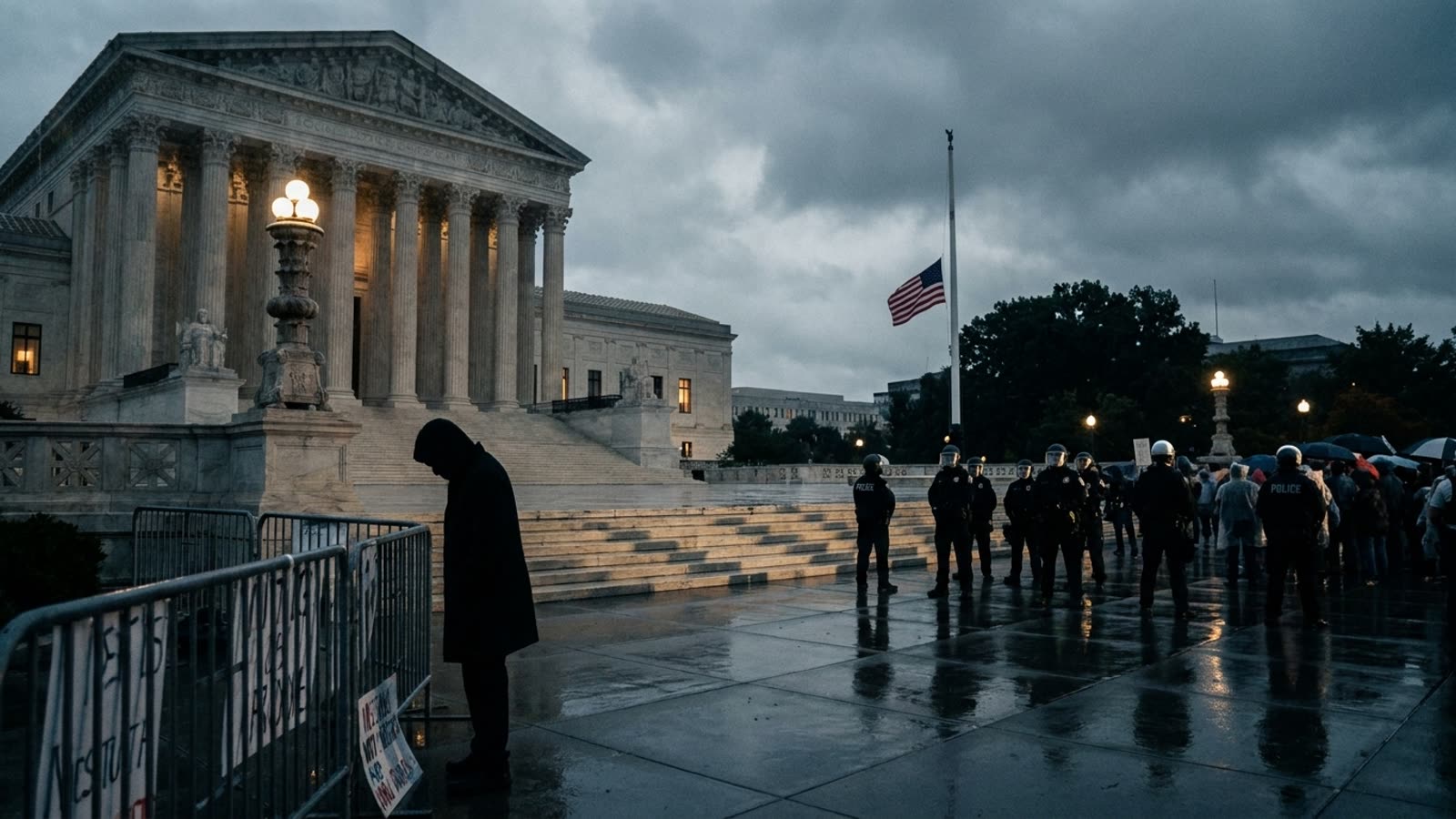
The Supreme Court enters June 2026 carrying a docket that could reshape the boundaries of presidential power for a generation—and the timing could not be more fraught for a White House already reeling from bipartisan congressional rebukes on Iran and tariffs.
The justices have saved their most explosive decisions for the term's final weeks, a tradition that allows the Court to deliver controversial rulings just before scattering for summer recess. This year's pending cases touch nearly every contested frontier of Trump's second administration: the scope of executive authority to bypass Congress on spending, the limits of immigration enforcement powers, and whether federal agencies can survive legal challenges to their regulatory mandates. A single adverse ruling could cripple signature initiatives; a sweep of unfavorable decisions would represent a judicial repudiation without modern precedent.
The executive power question
At the center of the docket sits a challenge to the administration's aggressive use of emergency declarations to redirect appropriated funds. The case, arising from the tariff-refund dispute now working through lower courts, asks whether the President can unilaterally alter congressionally mandated spending when invoking national security. The Court's conservative majority has historically been sympathetic to expansive executive authority in foreign affairs, but several justices have signaled discomfort with what one called "permanent emergency governance" during oral arguments. A narrow ruling could preserve presidential flexibility while establishing guardrails; a broad one could fundamentally constrain how this and future administrations respond to economic crises.
Immigration and the limits of enforcement
Separately, the justices will decide whether the Department of Homeland Security exceeded its statutory mandate in implementing expedited deportation procedures that critics argue bypass due process protections. The administration has defended the policy as essential to managing border flows, but lower courts have split sharply. A ruling against the government would force a significant operational restructuring at precisely the moment congressional Republicans have abandoned the President's preferred immigration legislation over the ballroom-funding controversy.
The regulatory state's survival
Perhaps most consequential for the administrative apparatus is a pending case that could extend last term's Chevron-limiting logic to invalidate entire categories of agency rulemaking. Business groups have urged the Court to strike down regulations promulgated without explicit congressional authorization, a standard that would imperil environmental, financial, and labor rules accumulated over decades. The administration finds itself in the unusual position of defending regulatory authority it has elsewhere sought to dismantle.
Our take
The Court's June decisions will arrive into a political environment already defined by institutional conflict—a President at war with his own party's congressional wing, an executive branch testing constitutional limits, and a judiciary being asked to referee disputes that previous generations resolved through negotiation. The conservative supermajority has the votes to hand Trump significant victories, but the justices' recent skepticism of unchecked executive power suggests they may instead choose to constrain a President they helped empower. Either outcome will define the second half of this term far more than any legislative battle.