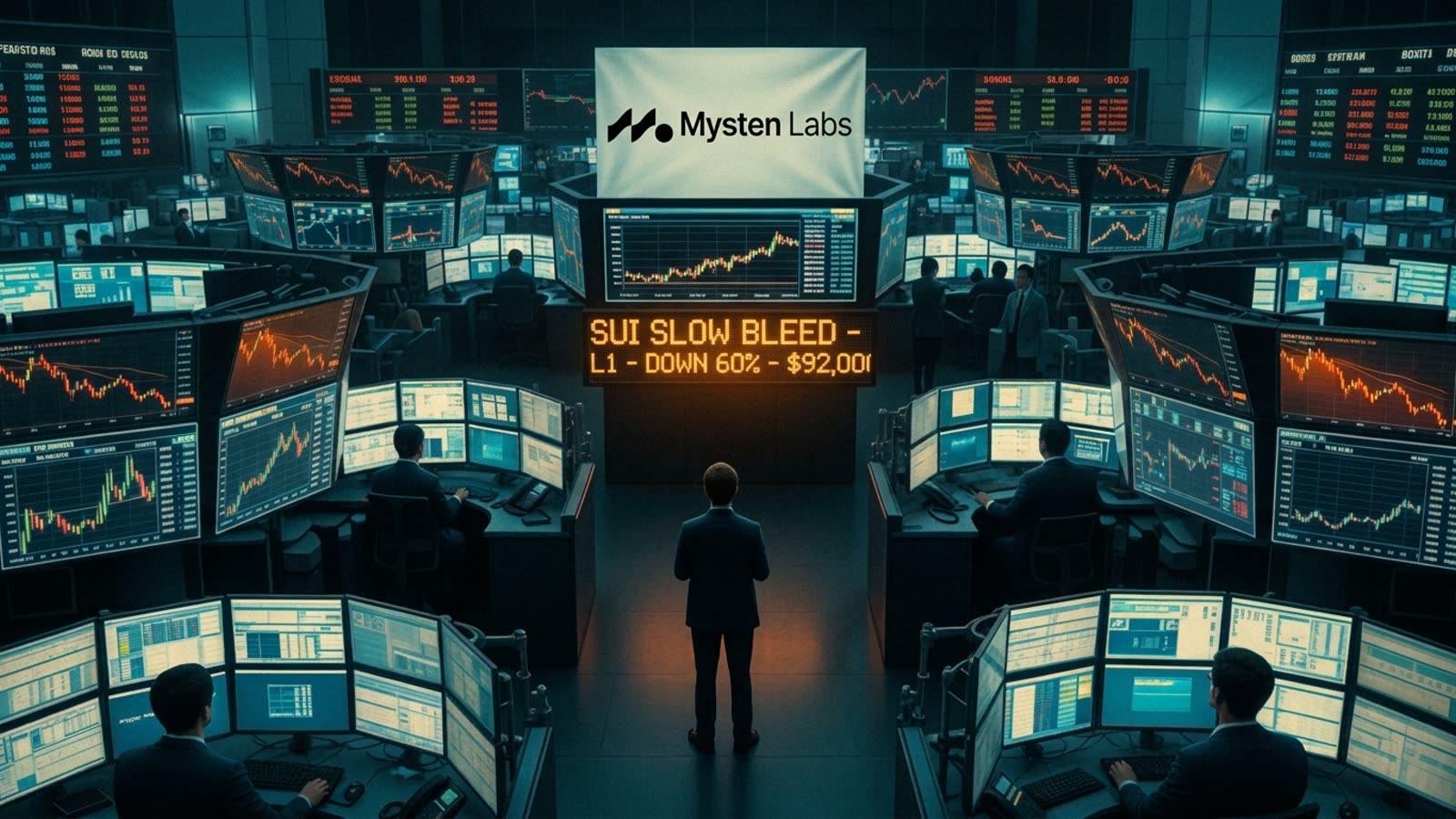
The cryptocurrency market has been broadly generous to Layer 1 blockchains in 2026, with Solana, Avalanche, and even venerable Ethereum enjoying sustained institutional interest. Sui, the Move-language chain built by former Meta engineers at Mysten Labs, has not shared in the bounty. Trading below a dollar at roughly $0.98—down 60 percent year-over-year—the network is confronting an uncomfortable reality: a technically sophisticated architecture and blue-chip pedigree are not, by themselves, enough to win the Layer 1 wars.
The token's persistent weakness is particularly striking given Sui's theoretical advantages. Its object-centric data model and parallel transaction execution were designed to solve the throughput bottlenecks that plagued earlier chains. Mysten raised hundreds of millions from marquee backers including Andreessen Horowitz and FTX Ventures (the latter's collapse notwithstanding). Yet developer activity metrics compiled by Electric Capital and Token Terminal suggest Sui's ecosystem growth has plateaued, with monthly active developers flat since early 2026 while Solana and Aptos—the latter also Move-based—continue to add contributors.
The competition problem
Sui launched into a market that had already absorbed the lessons of the 2021-22 alt-L1 boom and bust. Capital allocators are now ruthlessly selective, and network effects compound quickly for winners. Solana's meme-coin casino and DePIN narrative, Ethereum's institutional legitimacy, and even Aptos's aggressive BD in Asia have left Sui searching for a differentiated use case. Gaming was once the pitch; several high-profile studio partnerships announced in 2024 have yet to produce breakout titles with meaningful on-chain activity.
Tokenomics under scrutiny
Sui's unlock schedule has not helped sentiment. Large tranches of tokens have vested to early investors and the Mysten team throughout 2026, creating persistent sell pressure. On-chain data shows exchange inflows spiking around each unlock date, a pattern that has trained traders to fade rallies. The foundation has responded with ecosystem grants and liquidity incentives, but critics argue the spend rate is unsustainable absent organic fee revenue.
Our take
Sui is not a failed project—it is a stranded one. The technology works; the problem is that working technology is table stakes in 2026. Mysten's engineers built a Porsche, then discovered the market wanted a pickup truck with a loud exhaust. Unless the team can manufacture a compelling narrative—a killer app, a regulatory moat, something—Sui risks becoming a cautionary tale about the limits of venture-backed chain launches in a post-hype cycle. The next six months will determine whether this is a turnaround story or a slow fade into irrelevance.