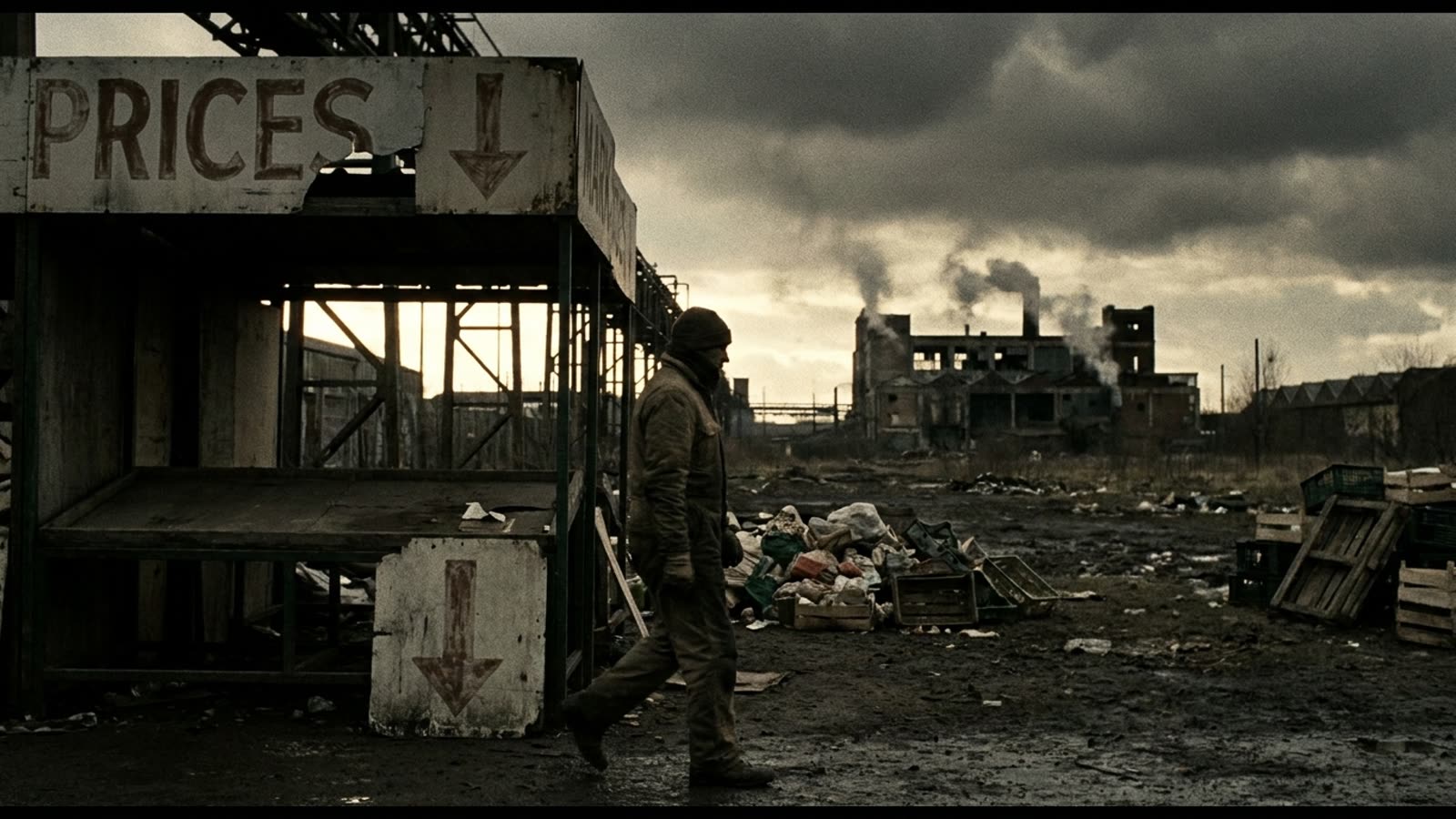
For most of the twentieth century, economists believed they had discovered a reliable trade-off at the heart of their discipline: unemployment and inflation moved in opposite directions. When jobs were plentiful, prices rose; when the economy cooled, inflation retreated. Then came the 1970s, and the elegant theory shattered against reality. Prices surged while factories went quiet. Workers lost jobs and purchasing power simultaneously. The impossible had arrived, and it had a name: stagflation.
The term itself — a portmanteau of stagnation and inflation — captures the essential horror of the condition. It is not merely a bad economy but a broken one, where the standard remedies become poisons. Raise interest rates to tame inflation, and you crush an already struggling labor market. Cut rates to stimulate growth, and you pour accelerant on rising prices. Policymakers find themselves in a room with no good exits.
The mechanics of misery
Stagflation typically requires a specific catalyst: a supply shock that raises production costs across the economy while simultaneously dampening output. The oil embargo of 1973 provided the textbook example. When petroleum prices quadrupled virtually overnight, the cost of manufacturing, shipping, and heating all surged in tandem. Companies raised prices to survive while cutting workers they could no longer afford. The economy contracted even as the cost of living climbed.
What makes stagflation so pernicious is its self-reinforcing psychology. Workers, watching prices rise, demand higher wages. Businesses, facing higher labor costs, raise prices further. Expectations become unmoored from any anchor, and the spiral feeds itself. Breaking this cycle requires inflicting genuine economic pain — the deliberate creation of unemployment severe enough to reset those expectations. It is a cure that feels indistinguishable from the disease.
Why the standard playbook fails
Central banks possess one primary tool: control over interest rates and, by extension, the cost of borrowing. This lever works beautifully when the economy suffers from a single ailment. Demand running too hot? Raise rates. Growth too sluggish? Cut them. But stagflation presents both problems simultaneously, and the lever can only move in one direction at a time.
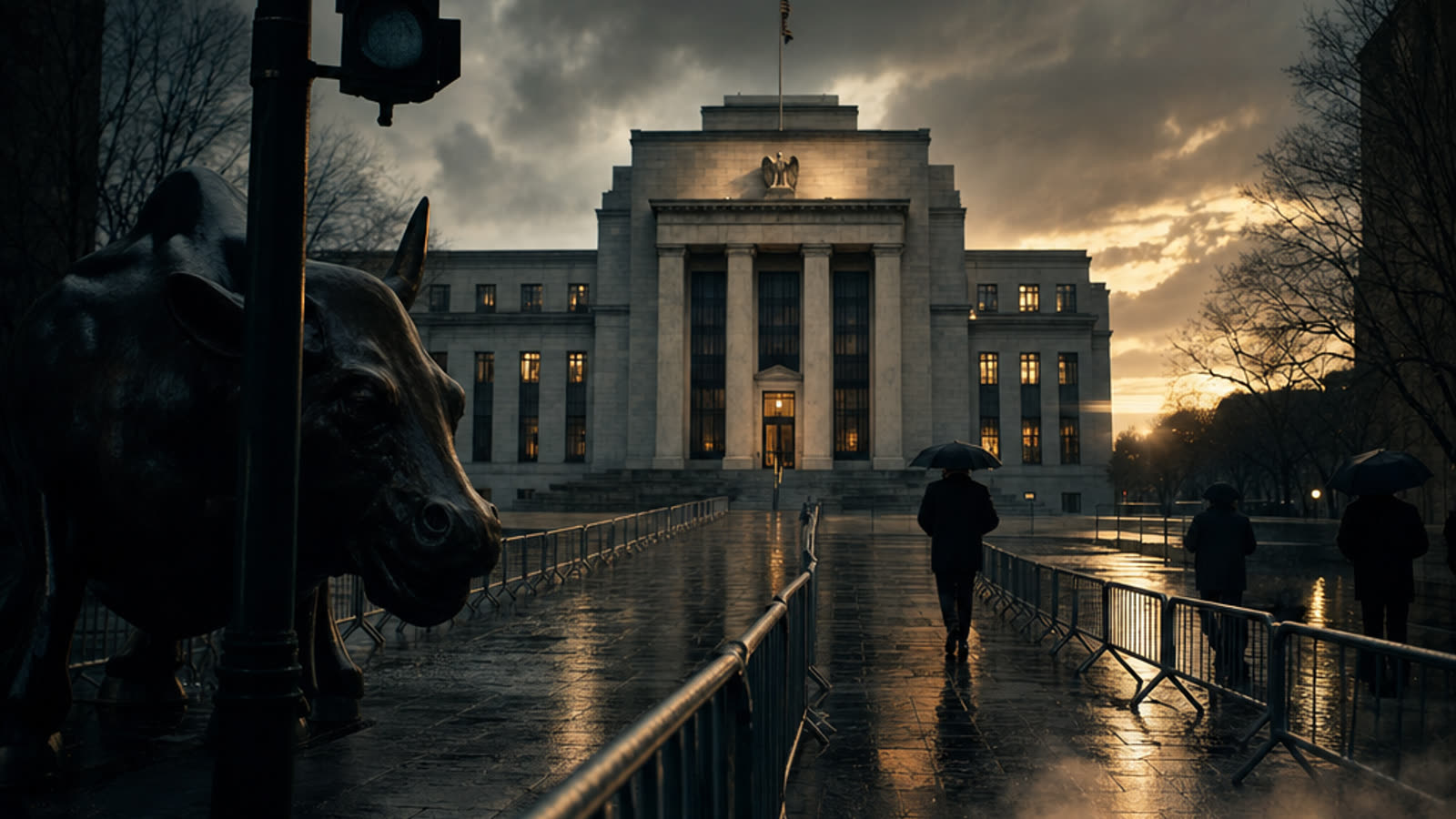
The Federal Reserve's response in the late 1970s and early 1980s offers the clearest lesson in what ultimately works — and what it costs. Under Paul Volcker's leadership, the Fed raised interest rates to levels that would seem medieval today, deliberately inducing a severe recession to break inflation's grip. Unemployment peaked above ten percent. Factories closed. Mortgages became unaffordable. But inflation, eventually, surrendered.
The episode left deep institutional scars. Central bankers who lived through it — or studied it — developed an almost theological commitment to anchoring inflation expectations before they could drift. The fear of stagflation's return shapes monetary policy to this day, often in ways invisible to the public.
Our take
Stagflation remains the economic equivalent of a stress fracture in the foundations — rare, but catastrophic when it occurs. Its lessons are uncomfortable ones: that prosperity is more fragile than it appears, that policy tools have limits, and that sometimes the only path forward runs through genuine hardship. The economists who dismissed it as impossible learned humility. The policymakers who eventually defeated it earned it at tremendous cost. The rest of us should hope we never need to learn those lessons firsthand again.