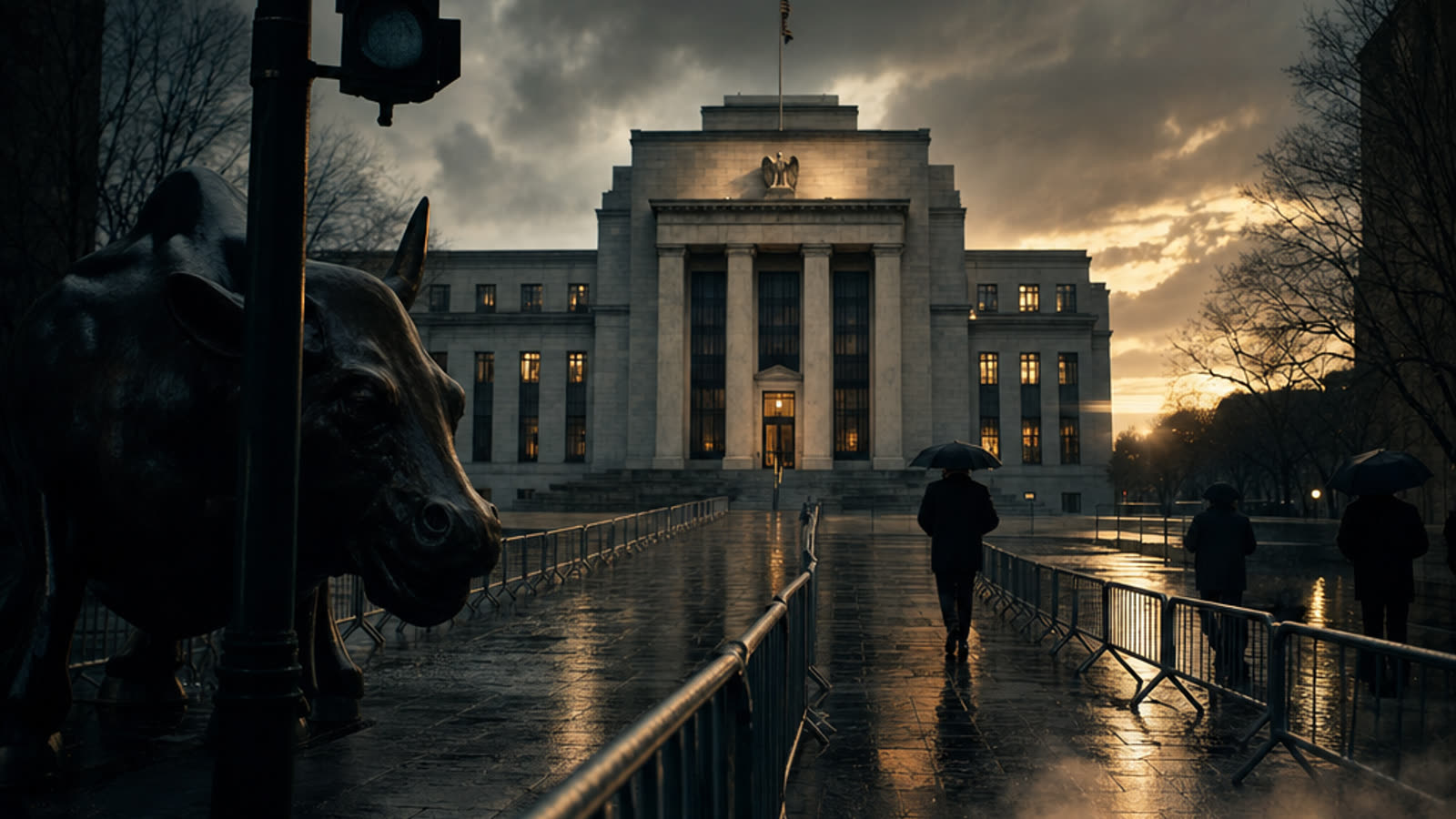
The Federal Open Market Committee's decision to leave interest rates unchanged at its October 2026 meeting is the least surprising outcome in monetary policy this year—and that predictability is precisely what Jerome Powell's successor and the committee intended.
After a historic tightening cycle that pushed the federal funds rate to its highest level in over two decades, the Fed has entered a phase of watchful waiting. Rates remain in restrictive territory, squeezing borrowers and rewarding savers, while officials parse incoming data for confirmation that inflation has durably returned to target. The October pause extends a holding pattern that began earlier this year, and markets had priced in near-certainty of no change.
The case for patience
Inflation has cooled substantially from its 2022 peak, but the final descent toward the Fed's 2% target has proven stubborn. Core measures remain slightly elevated, and wage growth—while moderating—continues to run above levels consistent with price stability. The labor market has softened but not cracked, leaving policymakers without the unemployment spike that historically accompanies disinflation.
In this environment, cutting rates prematurely risks reigniting price pressures before they're fully extinguished. The Fed learned that lesson painfully in the 1970s, when premature easing allowed inflation to entrench. The committee appears determined not to repeat the error, even if it means enduring criticism from politicians and borrowers who want relief now.
What the bond market heard
Treasury yields pulled back modestly in the days surrounding the announcement, suggesting fixed-income investors see the Fed's patience as credible rather than hawkish posturing. The yield curve, which had been deeply inverted, has normalized somewhat as short-term rates hold steady while longer-dated bonds price in eventual cuts—just not imminent ones.
For risk assets, the pause is a mixed blessing. Equities have learned to live with higher-for-longer, but each month of elevated rates increases the cumulative drag on corporate balance sheets and consumer spending. The housing market remains effectively frozen for many buyers, with mortgage rates still near multi-decade highs.
Our take
The Fed's October pause is boring by design. After years of emergency interventions and unprecedented rate moves, boring is an achievement. The committee is betting that patience now prevents policy whiplash later—that holding rates steady through uncertain data is preferable to cutting too soon and having to reverse course. It's a reasonable wager. The risk is that the economy weakens faster than the lagging indicators suggest, leaving the Fed behind the curve in the other direction. For now, though, the message is clear: the fight against inflation isn't over until the Fed says it's over, and they're not saying it yet.