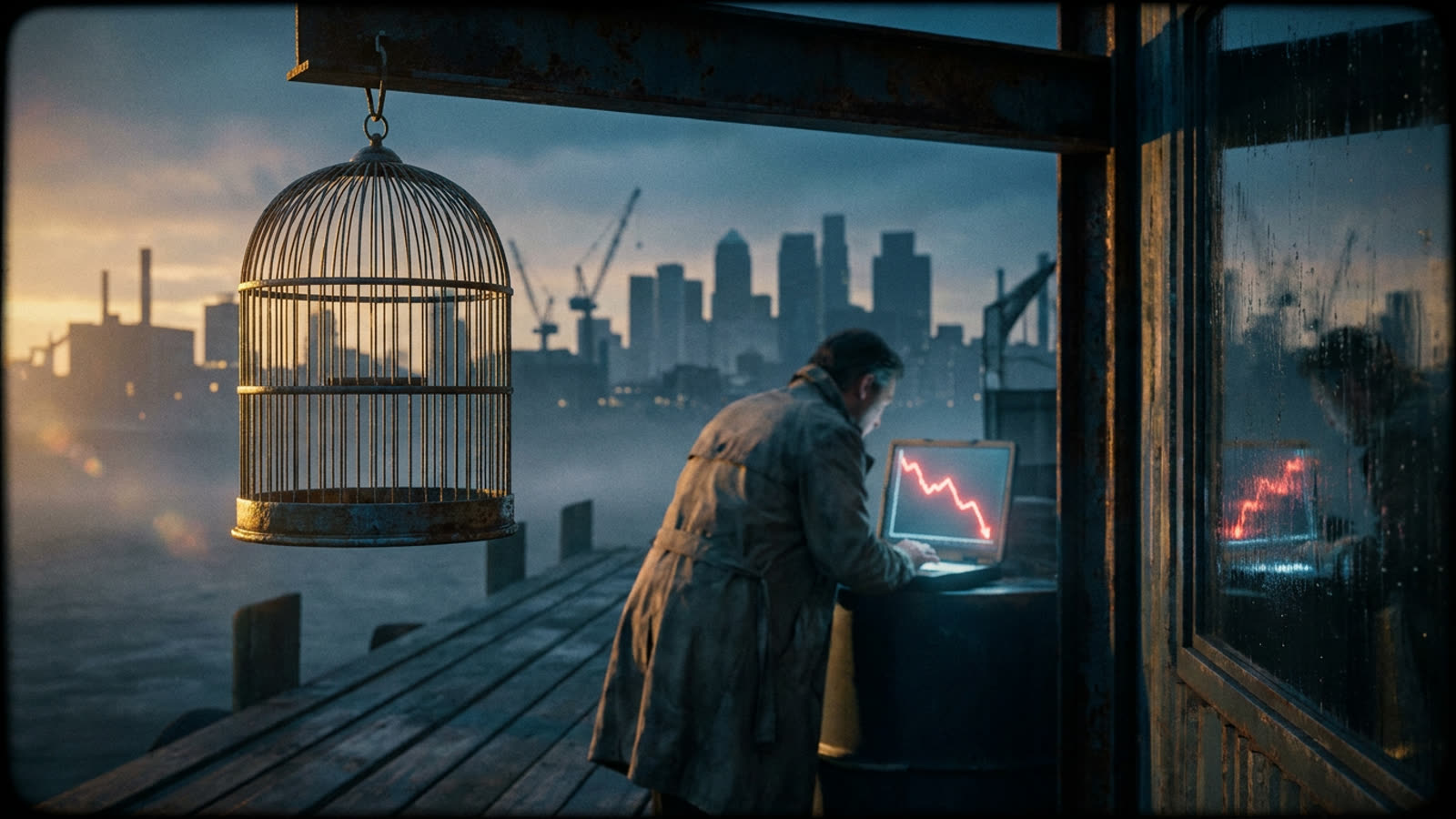
For most of the twentieth century, economists believed they had cracked the code. Inflation and unemployment were supposed to move in opposite directions, a neat trade-off captured by the Phillips Curve that let policymakers choose their poison. Then came the 1970s, and the elegant theory collapsed into a decade of misery that still shapes how central banks think about their most terrifying scenario: stagflation.
The term itself—a portmanteau of stagnation and inflation—sounds almost quaint, like a relic from an era of bell-bottoms and gas lines. But the phenomenon it describes remains the single most dangerous macroeconomic trap, precisely because the standard tools for fighting one problem make the other worse. Raise interest rates to crush inflation, and you deepen the unemployment crisis. Stimulate the economy to create jobs, and you pour fuel on the inflationary fire. Policymakers caught in stagflation find themselves holding a steering wheel that turns the car in the wrong direction.
How the trap springs shut
Stagflation typically begins with a supply shock—something that simultaneously raises costs and reduces the economy's productive capacity. The textbook example remains the oil embargo of 1973, when petroleum prices quadrupled in months. Suddenly, everything that moved or was made with energy cost more, while the shock to production meant fewer goods chasing the same amount of money.
But the initial shock only sets the trap. What springs it shut is the response. When workers see prices rising, they demand higher wages. When businesses face higher labor costs, they raise prices further. This wage-price spiral becomes self-sustaining, baked into expectations rather than tied to any ongoing external shock. By the late 1970s, Americans had simply come to expect that everything would cost more next year, and they behaved accordingly—demanding cost-of-living adjustments, accelerating purchases, treating cash as a melting asset.
The psychological shift is crucial. Normal inflation responds to normal tools because people believe the central bank will eventually win. Stagflationary inflation persists because people stop believing. Breaking that disbelief requires inflicting enough economic pain that expectations reset—which is precisely what Paul Volcker did when he pushed interest rates above twenty percent and triggered the severe recession of the early 1980s.
Why the playbook has changed
Modern central banks learned specific lessons from that trauma. They now target inflation expectations explicitly, communicate policy intentions obsessively, and move preemptively rather than waiting for inflation to become entrenched. The independence of monetary authorities from political pressure—something that eroded badly in the 1970s when the Nixon administration leaned heavily on the Fed—is now treated as sacred.
Yet the underlying vulnerability remains. Supply shocks still happen. Pandemics disrupt production. Geopolitical conflicts threaten energy flows. Climate events damage agricultural output. Each represents a potential trigger for the same vicious dynamic. The difference is that contemporary policymakers are supposed to recognize the trap faster and accept the short-term pain of restrictive policy before expectations slip their anchor.
Whether that institutional memory holds when tested by a genuine supply crisis—when politicians face angry voters demanding relief and central bankers face pressure to accommodate rather than tighten—remains an open question. The 1970s demonstrated that democracies struggle to choose the recession now that prevents the worse recession later.
Our take
Stagflation's most insidious quality is that it punishes prudence. Savers watch their purchasing power evaporate. Workers who accept modest raises fall behind. Businesses that hold prices stable lose market share to competitors who pass through costs immediately. The rational response to stagflationary expectations is to become part of the problem—demanding more, spending faster, hoarding real assets. Breaking that logic requires a central bank willing to be genuinely hated for genuinely hurting people, and a political system willing to let it happen. The 1970s ended not because anyone found a clever solution, but because Volcker proved the Fed would accept a deep recession as the price of credibility. That's the real lesson: stagflation doesn't get solved, it gets broken, and the breaking is never gentle.