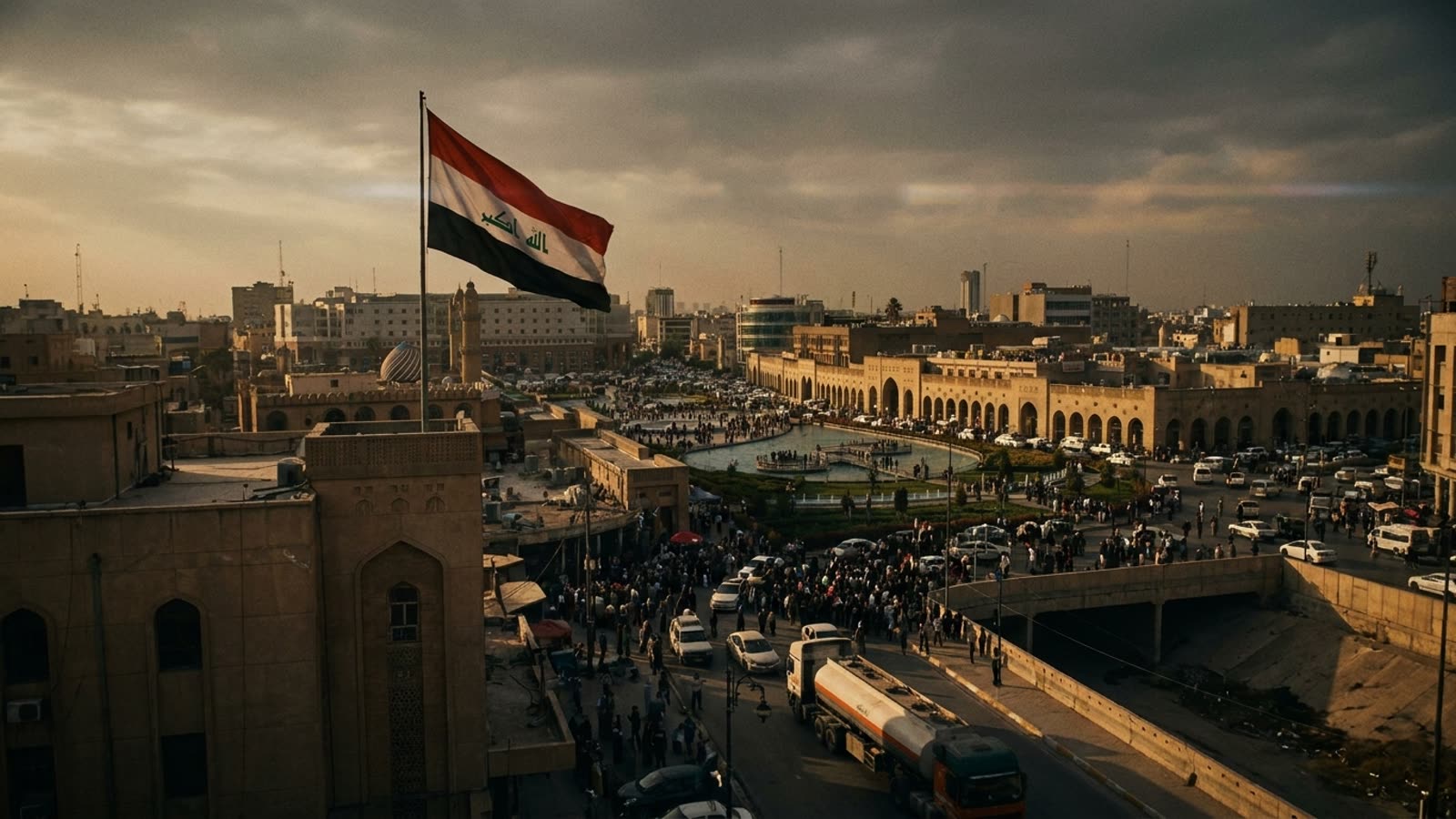
Iraq's warning that it might abandon OPEC unless the cartel raises its production quota is the kind of threat that sounds dramatic but rarely materialises — except when it does. The last time a major producer seriously contemplated walking away, it was Qatar in 2019, and that departure, while ultimately about gas rather than oil, demonstrated that the supposedly unbreakable bonds of petro-solidarity are more fragile than Riyadh likes to pretend.
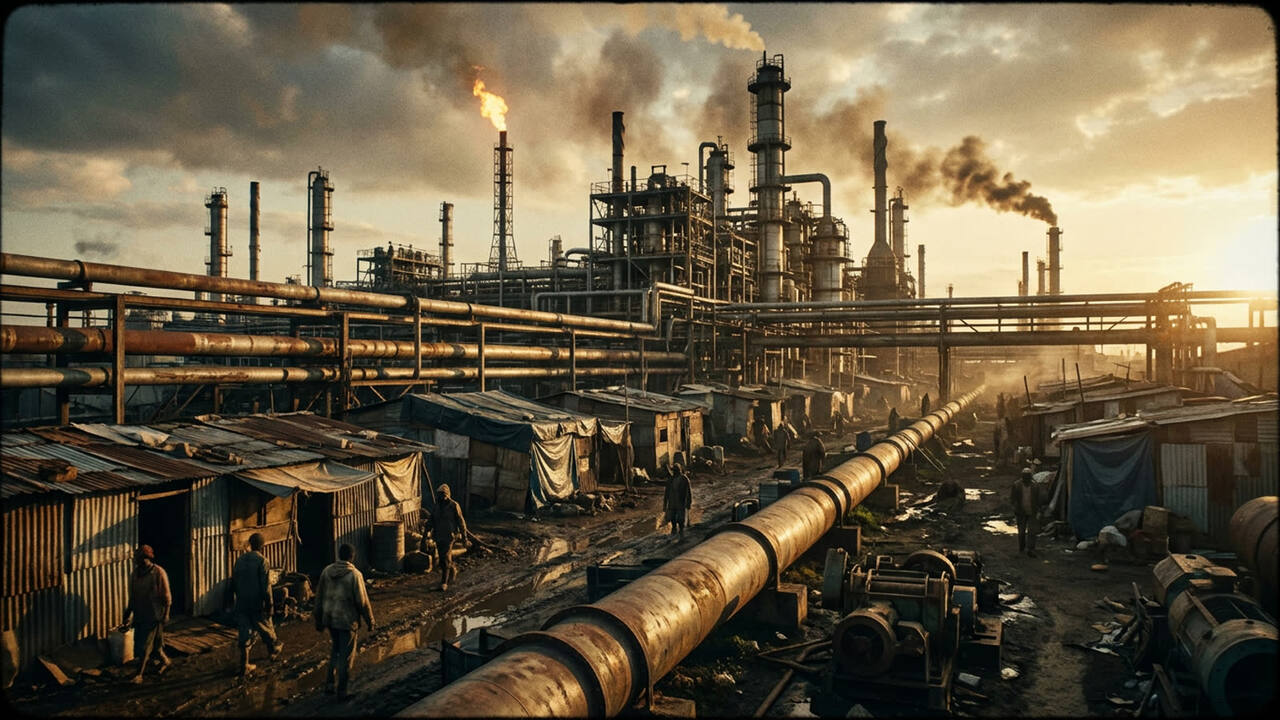
Baghdad's grievance is straightforward: Iraq believes its current quota undervalues its production capacity and shortchanges its economic needs. The country has spent two decades rebuilding an oil industry shattered by sanctions, invasion, and civil war. It now pumps around 4.5 million barrels per day and wants credit for that recovery. OPEC's quota system, dominated by Saudi Arabia's preferences, has consistently asked Iraq to restrain output while the kingdom itself adjusts production to manage prices.
The arithmetic of dissent
Iraq's frustration reflects a structural problem within OPEC+. The cartel's production cuts since 2022 have been designed to prop up prices, but the burden falls unevenly. Saudi Arabia, with its vast reserves and relatively small population, can afford to leave oil in the ground. Iraq, with 45 million people, chronic unemployment, and infrastructure that still bears the scars of war, cannot. Every barrel left unproduced is revenue Baghdad desperately needs for reconstruction, public salaries, and keeping a fragile political system from collapsing.
The timing makes this threat more potent than usual. Global oil demand remains uncertain as China's economy sputters and electric vehicle adoption accelerates in key markets. OPEC+ has been trying to gradually restore production while preventing a price collapse. An Iraqi exit — or even sustained overproduction in defiance of quotas — would inject unwanted barrels into an already nervous market.
Why Baghdad probably won't leave
Leaving OPEC would be a dramatic gesture, but it would also be economically irrational. Iraq benefits from the cartel's price-supporting mechanisms even when it chafes at quota discipline. An exit would mean competing alone against Saudi Arabia, the UAE, and Russia — producers with lower costs and deeper pockets. Baghdad's threat is almost certainly a negotiating tactic designed to extract a better deal at the next ministerial meeting.
But the threat itself matters. It signals that OPEC's internal cohesion is weakening at precisely the moment the cartel needs unity. Nigeria, Angola, and other African producers have also grumbled about quotas. Russia, technically part of OPEC+ but not OPEC itself, has repeatedly exceeded its commitments. The discipline that allowed the cartel to engineer a price recovery after the pandemic is eroding.
Our take
Iraq won't leave OPEC, but it might not have to. The mere threat forces Saudi Arabia to consider whether maintaining rigid quota discipline is worth the political cost of alienating a major producer. Riyadh's nightmare scenario isn't Iraqi departure — it's a cascade of defections that turns OPEC into a talking shop rather than a functioning cartel. Baghdad knows this, which is why it's talking loudly now. Expect a face-saving compromise that gives Iraq a modest quota increase while preserving the fiction of collective discipline. The alternative — actually testing whether OPEC can survive a major defection — is a gamble nobody in the oil business wants to take.