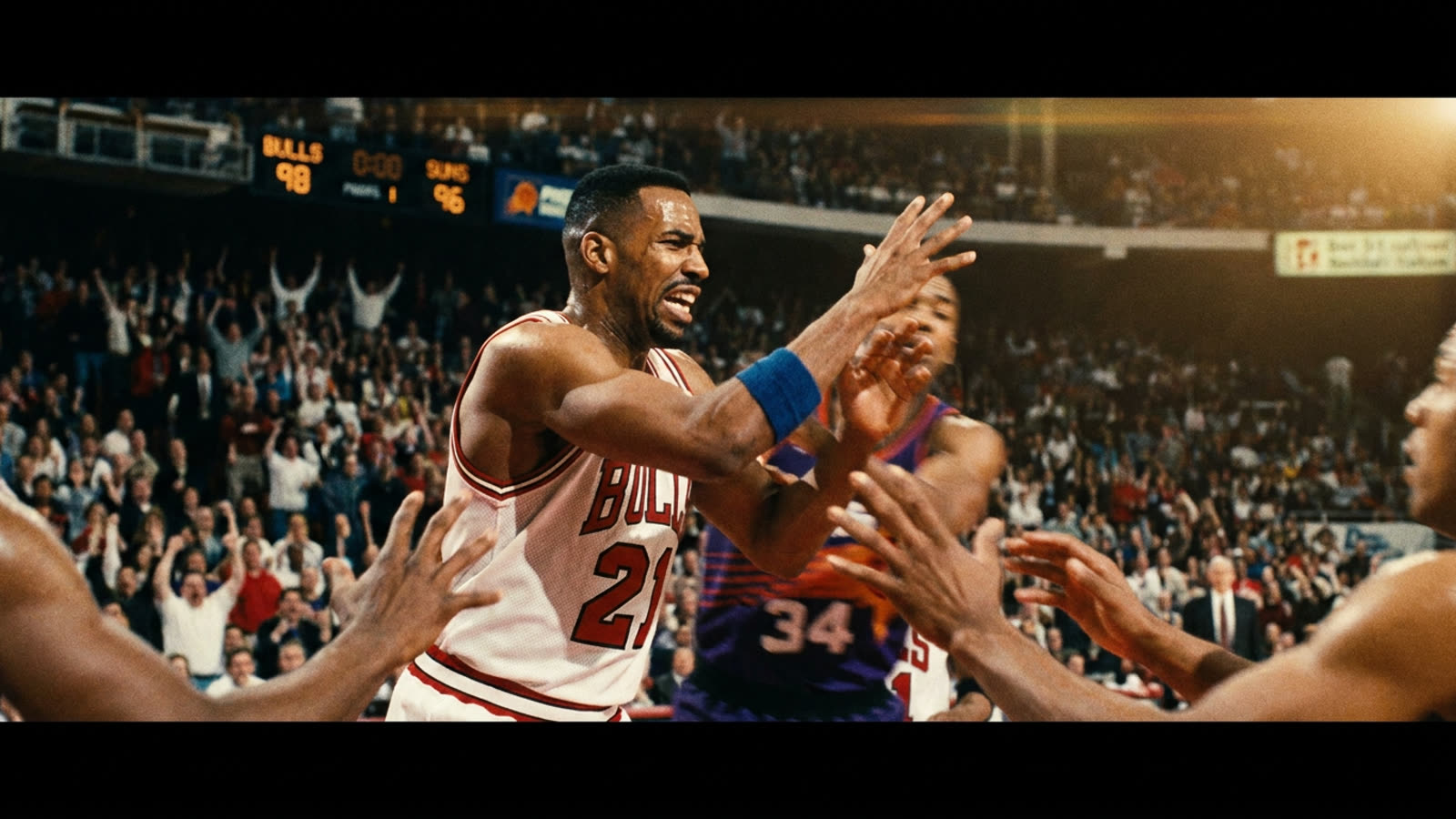
Thirty-five years after the Chicago Bulls began their six-championship run, we're still learning how to talk about the men who weren't Michael Jordan. Stacey King, the eleventh pick in the 1989 draft, spent four seasons in Chicago collecting two rings and approximately zero highlight reels. His career averages—a modest 6.4 points per game—would suggest a forgettable journeyman. Instead, he's become one of the most recognizable voices in basketball broadcasting and, more recently, a case study in how sports nostalgia rewards longevity over statistics.
King's resurgence in the cultural conversation isn't accidental. As the NBA Finals unfold and a new generation discovers the Bulls dynasty through Netflix documentaries and social media clips, the role players of that era have been elevated from footnotes to folk heroes. King, who has spent over two decades calling Bulls games for Chicago's NBC Sports affiliate, benefits from a rare advantage: he never left.
The broadcaster's second act
King's transition from player to personality was neither immediate nor inevitable. After his playing career ended in 1999, he drifted through coaching stints and broadcasting tryouts before landing the Bulls analyst job in 2006. What followed was a masterclass in reinvention. His exclamations—"Too big, too strong, too fast, too good!" became the soundtrack to Derrick Rose's MVP season—transformed him from forgotten champion into Chicago institution.
The role is uniquely suited to his talents. King possesses the rare ability to celebrate without sycophancy, to critique without condescension. His chemistry with play-by-play partner Adam Amin has drawn comparisons to the great local broadcasting duos, though King would be the first to deflect such praise with self-deprecating humor about his playing days.
The supporting cast reassessment
King's renewed visibility reflects a broader cultural shift in how we evaluate championship teams. The "Last Dance" documentary, which premiered in 2020, inadvertently launched a cottage industry of Bulls nostalgia content. But where that film focused relentlessly on Jordan's genius and Pippen's grievances, subsequent retrospectives have found richer material in the margins.
Players like King, Bill Wennington, and Jud Buechler—men who understood their roles and executed them without complaint—have become symbols of a lost basketball ethos. In an era of load management and supermax contracts, there's something almost quaint about a first-round pick accepting that his job was to practice hard, stay ready, and not mess up the rotation.
Our take
Stacey King's career arc is a reminder that championships are won by fifteen men, not five. His broadcasting success proves what his playing statistics couldn't: that understanding the game and contributing to a team's culture are valuable skills, even when they don't show up in the box score. That he's found a way to remain relevant in Chicago sports for nearly four decades—through two Bulls dynasties, countless rebuilds, and the complete transformation of sports media—suggests King always understood something his more talented teammates didn't. Sometimes the best way to be remembered is simply to stick around.